
Key Takeaways
- Most drug recalls are voluntary actions by manufacturers, not mandates from the FDA.
- Recalls are split into three classes based on how dangerous the risk is to the patient.
- Sterility lapses and contamination are the most frequent triggers for recalls.
- Foreign manufacturing facilities often face longer gaps between safety inspections.
- New AI and blockchain tech are aiming to catch these errors before drugs reach patients.
The Hierarchy of Risk: Not All Recalls Are Equal
When you see a notice about a generic drug recall, it's important to understand that the FDA doesn't treat every error the same. They use a classification system to tell doctors and patients exactly how worried they should be. Drug recalls are categorized by the severity of the health risk they pose.
Class I recalls are the ones that keep regulators up at night. These occur when there's a reasonable chance that using the drug could cause serious health problems or even death. A real-world example happened in July 2024 with ICU Medical, where potassium chloride injections were mislabeled. Some vials labeled as 10 mEq actually contained 20 mEq. In a hospital setting, that kind of dosing error can be fatal.
Class II recalls are more common, making up about 62% of recalls in 2024. These involve risks that are temporary or can be reversed. While they are serious, they are less likely to cause permanent harm. An example is the April 2025 Glenmark Pharmaceuticals recall, where dozens of generics were pulled due to manufacturing violations in India.
Class III recalls are essentially regulatory cleanup. These are for products that likely won't cause health problems but violate a rule-like a minor typo on a label or a slightly off-color tablet. They are the least urgent but still necessary for maintaining industry standards.
| Recall Class | Risk Level | Typical Example | Expected Outcome |
|---|---|---|---|
| Class I | High | Mislabeled high-potency drug | Serious injury or death |
| Class II | Moderate | CGMP violation/Impurity | Temporary or reversible effect |
| Class III | Low | Minor labeling error | Unlikely to cause harm |
What Actually Triggers a Recall?
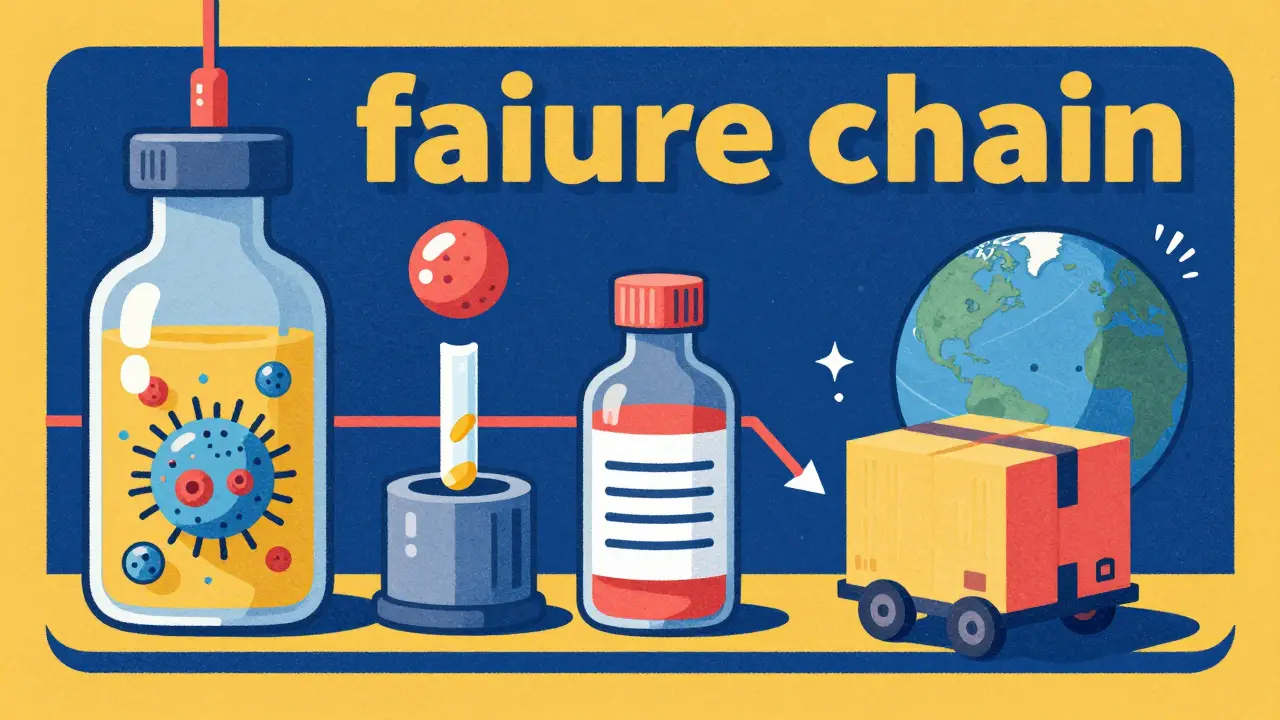
A recall doesn't just happen because a drug didn't work; it happens because the manufacturing process failed. Most triggers fall into a few specific technical categories. The biggest culprit is sterility. Between 2012 and 2023, sterility lapses accounted for 37% of all FDA recalls. This happens when the environment where the drug is made-which should be practically sterile-gets contaminated by bacteria or fungi.
Then there's the issue of Current Good Manufacturing Practice or CGMP. CGMP are the regulations that enforce a consistent production process, ensuring the identity, strength, and purity of a drug. When a company ignores these, like failing to test air quality for 0.5-micron particles or letting endotoxin levels rise above 0.25 EU/mL in sterile water, the FDA steps in.
Other common triggers include:
- Particulate Matter: Tiny glass shards or metal flakes ending up in a liquid medication (12% of recalls).
- Labeling Errors: Putting the wrong dose or wrong drug name on a bottle (9% of recalls).
- API Potency: When the Active Pharmaceutical Ingredient (API) is too strong or too weak, meaning the patient gets a sub-therapeutic or toxic dose (7% of recalls).
The Globalization Gap: Why Some Recalls Take Longer
Here is a hard truth: where your drug is made matters. About 80% of the APIs for the U.S. market come from India and China. While these countries provide essential affordable medicine, the oversight isn't always equal. There is a massive gap in how often the FDA inspects domestic versus foreign plants.
On average, a U.S. facility is inspected every 1.8 years. A foreign facility? Every 4.6 years. This creates a "dangerous blind spot," as described by Dr. Peter Lurie. If a factory in India has a systemic quality culture failure, it might take years for an inspector to find it-or for a patient to get sick enough to trigger an alert.
This gap is most visible in the timing. In the EU, mandatory reporting means a recall usually happens 18 days after a problem is found. In the U.S., where recalls are 98% voluntary (initiated by the company), that window stretches to an average of 42 days. We rely heavily on companies to report their own mistakes, which isn't always the fastest route to patient safety.
The Human Side: Panic and Pharmacy Chaos
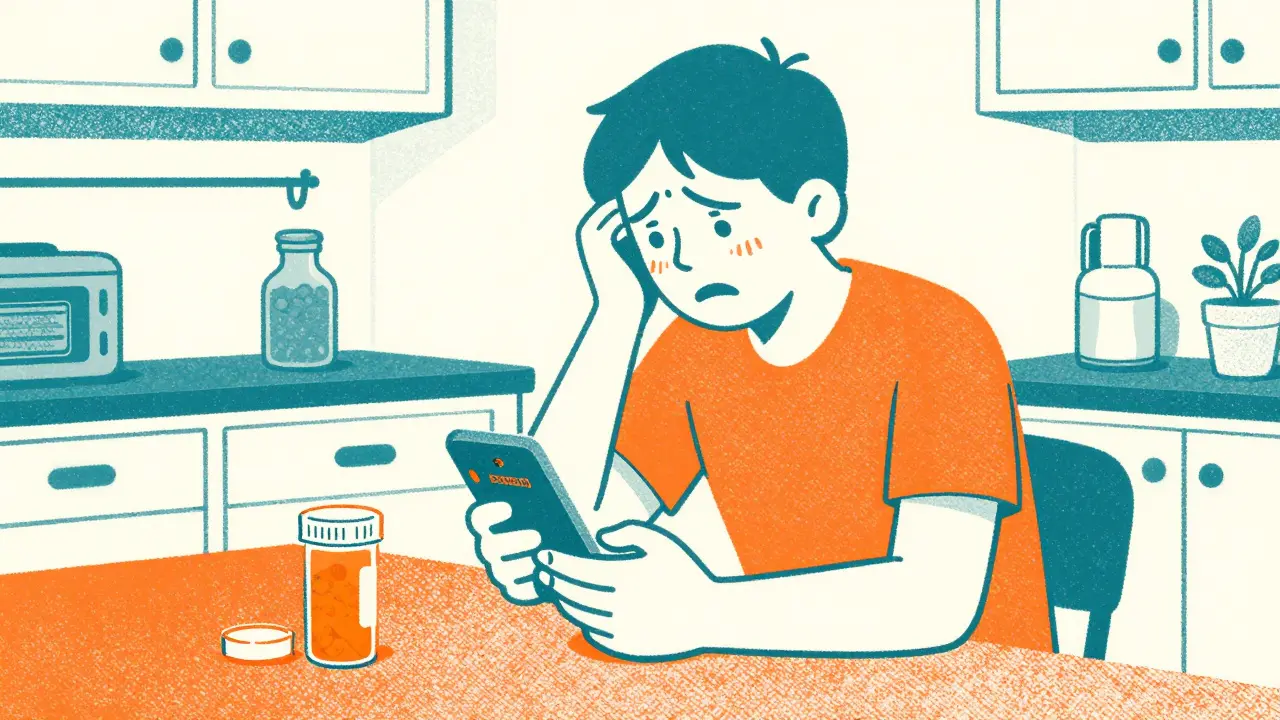
When a recall hits the news, the ripple effect is immediate. For a patient, it's often a moment of panic. A survey by AARP found that 78% of people would stop taking their medication immediately after a recall, even if the FDA advised them to talk to a doctor first. This is dangerous because stopping a critical heart or blood pressure medication abruptly can be worse than the recall risk itself.
For pharmacists, it's a logistical nightmare. One nurse on the r/Pharmacy community described the stress of contacting 127 patients for a single generic recall. The struggle isn't just the phone calls; it's the data. Many hospitals struggle to track specific lot numbers across a messy supply chain. Only 12% of patients actually report receiving a direct notice from the manufacturer, meaning most people find out via the news or a pharmacy call.
The Future of Safety: AI and Blockchain
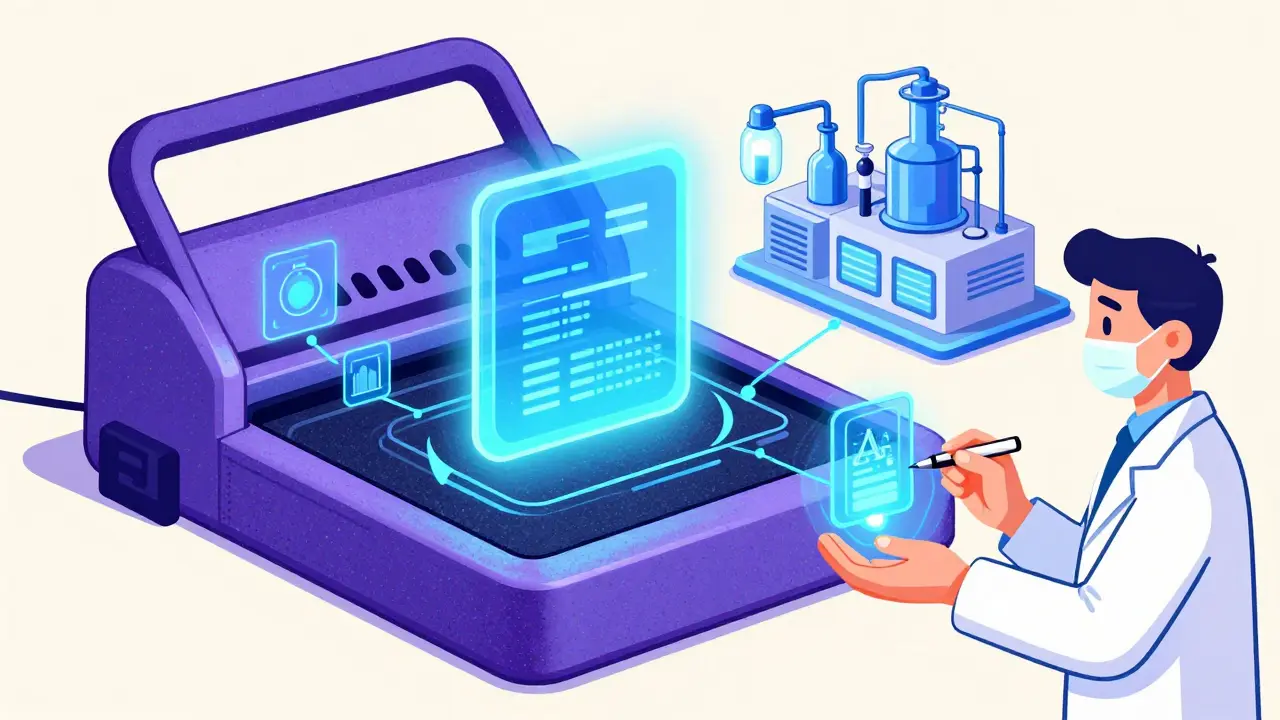
We are moving toward a system where recalls happen less often because we catch the errors earlier. The FDA is currently investing $47 million into AI-powered predictive analytics. The goal is to analyze manufacturing data in real-time and flag a quality dip before a batch is even finished.
Another game-changer is blockchain. In 2023, only 3% of pharmaceutical supply chains used blockchain; by 2025, that grew to 18%. By creating an unchangeable digital ledger of every hand that touched a bottle of medicine, we can reduce the time it takes to identify affected lots from several days to just a few hours.
Additionally, the Enhanced Oversight Initiative launched in April 2025 is targeting the "worst offenders." By moving high-risk foreign facility inspections to an annual schedule, the FDA is focusing its limited budget on the 12% of manufacturers responsible for 67% of all recalls.
Should I stop taking my medication immediately if I see a recall?
No. You should first check the recall class and then call your doctor or pharmacist. Stopping some medications-like antidepressants or blood pressure meds-suddenly can cause severe health spikes or withdrawal symptoms. Your provider can help you determine if your specific lot number is affected and provide a safe replacement.
What is the difference between a voluntary and a mandated recall?
A voluntary recall is when a company discovers a problem and decides to pull the product themselves. A mandated recall is when the FDA orders a company to remove a product. Interestingly, about 98% of drug recalls in the U.S. are voluntary, as companies want to avoid the legal and reputational damage of a forced mandate.
How can I tell if my specific bottle is part of a recall?
Look for the "Lot Number" or "Batch Number" on the side of the bottle or the packaging. Compare this number to the list provided in the official FDA Enforcement Report or the notice from your pharmacy. If the numbers match, your medication is part of the recall.
Why are generic drugs recalled more often than brand-name drugs?
It's not necessarily that generics are lower quality, but the market is much larger and more fragmented. Generic manufacturers often operate on thinner margins and utilize more foreign facilities, which, as mentioned, can have gaps in inspection frequency. This makes them more susceptible to systemic manufacturing failures.
What is MedWatch and how does it help?
MedWatch is the FDA's safety reporting system. It allows patients and healthcare providers to report adverse events or product quality problems. These reports often serve as the "smoke' that leads the FDA to find the 'fire' of a manufacturing error, eventually triggering a recall.
Next Steps for Patients and Providers
If you are a patient, the best way to stay safe is to keep a digital list of your current medications, including the manufacturer's name and lot numbers. This makes it easy to cross-reference when a new alert drops.
For healthcare providers, the priority is establishing automated "do not purchase" lists in procurement systems. This prevents a recalled drug from accidentally slipping back into the clinic or hospital inventory through a secondary wholesaler. If you're a pharmacist, ensure your staff is trained in the Naranjo probability assessment scale to better determine if a patient's adverse reaction was actually caused by a drug quality issue or something else entirely.

