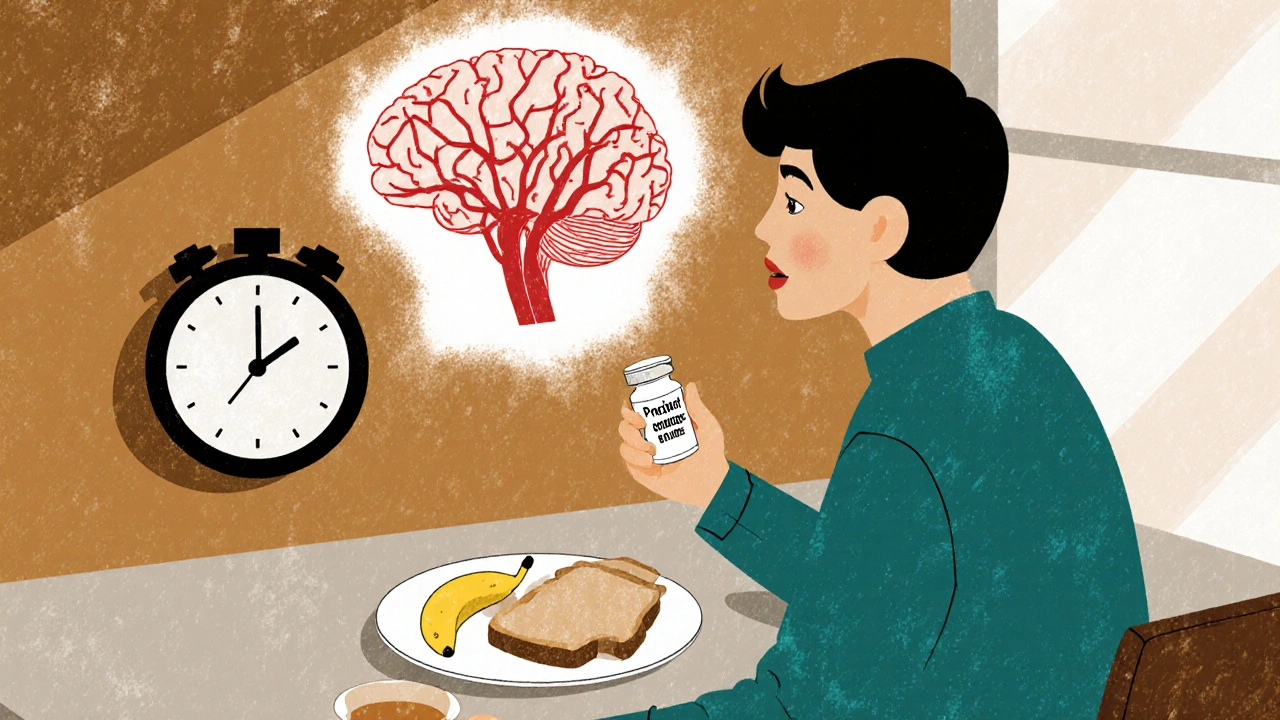
When you're taking opioids for pain, opioid-induced nausea is one of the most common and frustrating side effects. It’s not just about feeling queasy—it can make it hard to eat, sleep, or even get through the day. This isn’t something you just have to live with. Your diet plays a real role in managing it. What you eat, when you eat it, and how you eat it can either make nausea worse or help your body adjust. Think of food as a tool, not just fuel. It’s not magic, but it works—and it’s free.
opioid-induced nausea, a side effect caused by how opioids slow digestion and trigger the brain’s vomiting center. Also known as opioid-related nausea, it’s not an allergy or infection—it’s a direct result of the drug’s effect on your gut and brain. Many people reach for anti-nausea meds first, but those come with their own side effects. A better starting point? Adjusting what’s on your plate. antiemetic foods, foods that naturally help reduce nausea and vomiting like ginger, plain crackers, and clear broths are your allies. Ginger, for example, has been shown in multiple studies to calm the stomach without interacting with opioids. Meanwhile, opioid side effects, the range of reactions caused by opioid use beyond pain relief include constipation, dizziness, and slowed digestion—all of which feed into nausea. Fix one, and you often help the others.
What should you avoid? Heavy, greasy meals. Dairy, spicy foods, and strong smells can trigger nausea more easily when your system is already sensitive. Eating large portions makes it worse—your stomach is already slow, so overfilling it just adds pressure. Instead, go small and frequent: six tiny meals instead of three big ones. Sip cold, clear liquids like water, herbal tea, or electrolyte drinks. Avoid carbonation—it bloats your stomach and makes nausea feel worse. Even the temperature of your food matters. Room-temperature or cool foods tend to be better tolerated than hot ones, because they don’t release strong odors that can set off nausea.
You’re not alone in this. Thousands of people on long-term opioids deal with the same issue. The good news? You don’t need a fancy diet plan. You just need to know what works and what doesn’t. Below, you’ll find real, practical advice from posts that break down exactly what foods help, which meds pair well with dietary changes, and how to spot when nausea is something more serious. No fluff. Just what you can start using today.
Opioid-induced nausea affects up to 40% of users, but it's manageable. Learn which antiemetics work best, how timing your doses cuts nausea, and simple diet changes that help you stay on track with pain relief.