

Allergic rhinitis isn’t just a stuffy nose or a few sneezes. For millions, it’s a daily battle that disrupts sleep, drains energy, and makes outdoor life feel like a minefield. Whether you’re choking on spring pollen or struggling with year-round congestion from dust mites, managing allergic rhinitis isn’t about luck-it’s about strategy. The good news? You don’t have to live like this. With the right approach, you can take back control.
What’s Really Going On in Your Nose?
Allergic rhinitis happens when your immune system overreacts to harmless substances like pollen, dust, or pet dander. It’s not a cold. It’s not a virus. It’s an allergic response triggered by IgE antibodies that turn your nasal lining into a war zone. Symptoms-sneezing, runny nose, itchy eyes, congestion-aren’t random. They’re your body’s exaggerated attempt to flush out what it thinks is a threat. There are two main types. Seasonal allergic rhinitis shows up like clockwork: trees in spring, grasses in summer, weeds in fall. If your symptoms flare every April or September, that’s your clue. Perennial allergic rhinitis sticks around all year. Dust mites in your mattress, pet dander on your couch, mold in your bathroom-these are the hidden culprits. Many people think they have a "chronic cold," but it’s actually perennial allergies.First-Line Treatment: Intranasal Corticosteroids
If you’ve tried antihistamines and still feel blocked up, you’re not alone. Oral meds help with itching and sneezing, but they barely touch nasal congestion. That’s where intranasal corticosteroids come in. These sprays-like fluticasone (Flonase), mometasone (Nasonex), and budesonide-are the most effective treatment for moderate to severe symptoms, backed by over 40 clinical trials involving more than 12,000 people. They work by calming inflammation deep in the nasal passages. Unlike decongestants, they don’t cause rebound congestion. But here’s the catch: they don’t work overnight. It takes 12 to 48 hours to start helping, and full effect can take up to two weeks. That’s why so many people give up too soon. If you’re using it for three days and nothing changes, keep going. Consistency matters more than speed. Proper technique is non-negotiable. Aim the spray away from your nasal septum-toward your ear, not your nose bridge. Breathe in gently as you spray. Don’t sniff hard or blow your nose right after. If you point it straight ahead, you risk nosebleeds. Studies show 60-70% of people use these sprays wrong. Get it right, and you can double your symptom control.Oral Antihistamines: Fast Relief, But Limited
For quick relief of sneezing, itching, and runny nose, second-generation antihistamines like cetirizine (Zyrtec), loratadine (Claritin), and fexofenadine (Allegra) are your best bet. They kick in within an hour and cause far less drowsiness than older options like diphenhydramine (Benadryl). But they won’t fix congestion. If your main problem is a blocked nose, antihistamines alone won’t cut it. They’re perfect for mild, intermittent symptoms-like a weekend hike during ragweed season. But if you’re dealing with daily congestion, they’re just a bandage. Combine them with a nasal spray for better results. Many people take antihistamines in the morning and the corticosteroid spray at night. That combo covers both the itch and the blockage.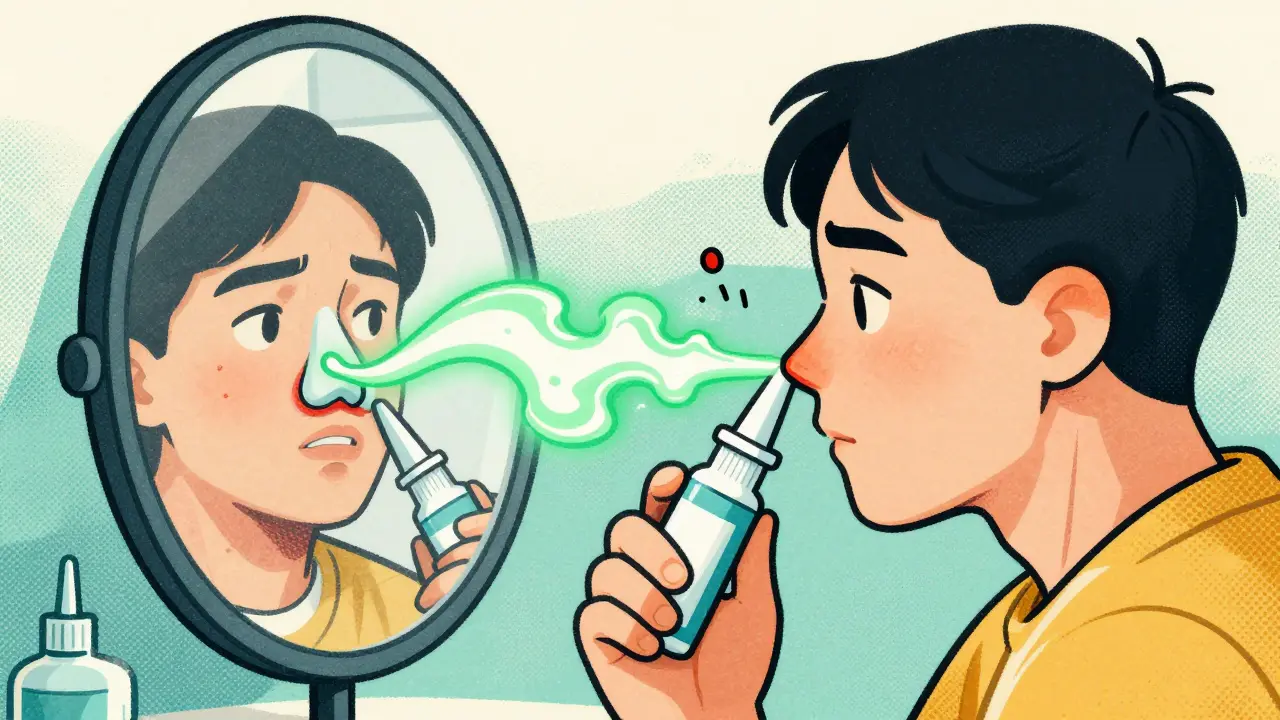
When Sprays Aren’t Enough: Immunotherapy
If you’ve been on meds for years and still feel miserable, it’s time to think bigger. Immunotherapy doesn’t mask symptoms-it retrains your immune system. There are two options: allergy shots (subcutaneous) and allergy tablets (sublingual). Sublingual tablets (like Grastek for grass pollen or Oralair for multiple pollens) are taken daily under the tongue. You start them four months before pollen season. The first dose must be given in a doctor’s office-you need to be monitored for 30 minutes because of a small risk of severe reaction. After that, you can take them at home. About 85% of people prefer them over shots because they’re easier. But 32% quit within a year because of mouth itching or the 5-minute no-eating rule after taking it. Allergy shots work slightly better-cutting symptoms by 35-45%-but require weekly visits at first, then monthly. They carry a higher risk of anaphylaxis (0.2% per shot), so they’re not for everyone. But if you’re allergic to multiple things, or if your allergies trigger asthma, shots might be the better long-term play. The American Academy of Allergy, Asthma & Immunology now recommends considering immunotherapy early-especially in kids. One study showed that three years of treatment reduced the chance of developing asthma by 67%.Environmental Control: The Silent Game-Changer
Medication helps, but if you keep breathing in allergens, you’re fighting a losing battle. Simple changes make a huge difference. For dust mites: wash bedding weekly in water hotter than 130°F (54°C). Use allergen-proof covers on your mattress and pillows. These reduce exposure by 83%. Keep indoor humidity below 50% with a dehumidifier-dust mites die in dry air. For pet dander: keep pets out of the bedroom. Use a HEPA air purifier in your main living area. Vacuum weekly with a HEPA-filter vacuum. Shower and change clothes after hugging your dog or cat. For pollen: check daily pollen counts (National Allergy Bureau has free forecasts). When counts are above 9.7 grains/m³, keep windows closed. Wear wraparound sunglasses outside-they reduce eye symptoms by 35%. Shower and change clothes right after coming in from outside. Pollen clings to hair and clothes. For mold: fix leaks. Clean bathroom grout with bleach. Don’t let houseplants sit in damp saucers. Use exhaust fans after showers.What About Saline Rinses and Decongestants?
Nasal saline irrigation-using a neti pot or squeeze bottle with sterile water-isn’t flashy, but it works. A 2022 survey found 62% of users felt better when they rinsed twice daily. It flushes out allergens and mucus. Just use distilled, sterile, or boiled-and-cooled water. Tap water can carry dangerous microbes. Decongestants? Use them sparingly. Oral pseudoephedrine (Sudafed) helps with short-term blockage, but don’t use it longer than 3-7 days. It can raise blood pressure and cause insomnia. Nasal sprays like oxymetazoline (Afrin) are even riskier. Three days max. Beyond that, you get rebound congestion-your nose gets worse when you stop. It’s a trap.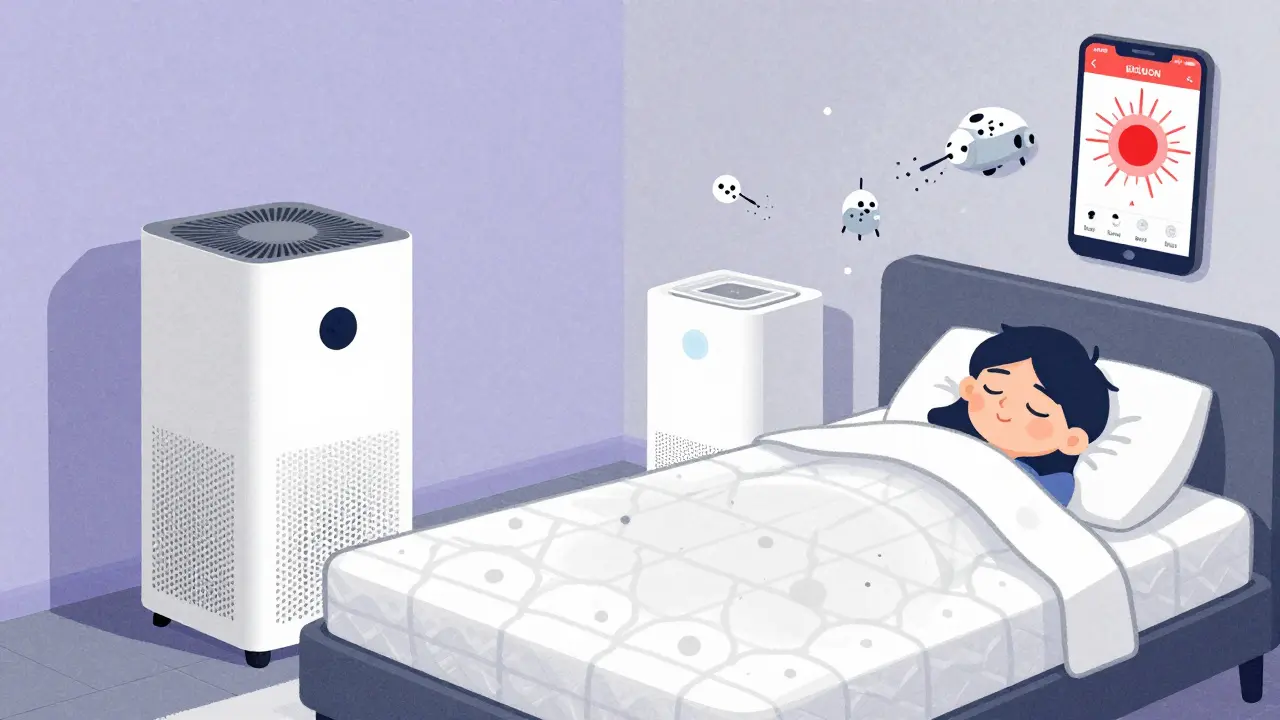


Jane Wei
bro i used to think my allergies were just a bad cold until i started using flonase properly. now i can actually breathe during spring. why does everyone think these sprays are magic pills? they’re not. you gotta stick with it.