
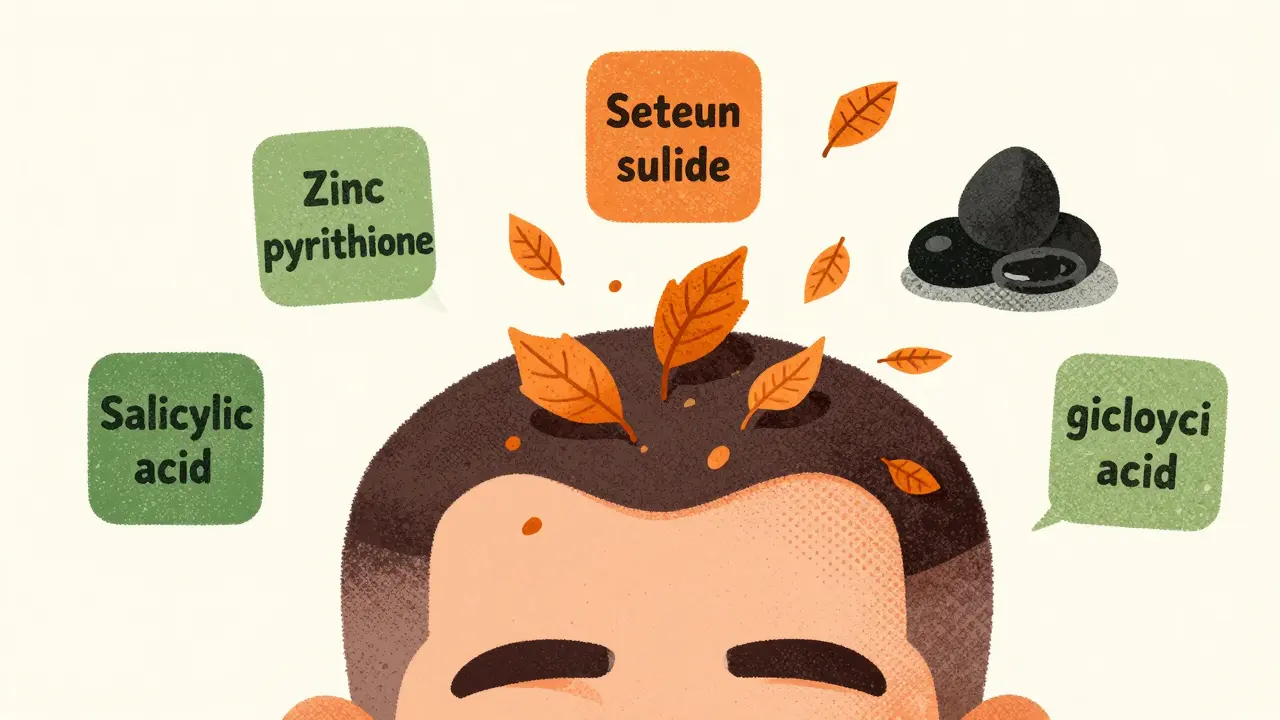
Flakes on your shoulders, an itchy scalp, or greasy patches behind your ears - if this sounds familiar, you’re not alone. About 50% of adults experience seborrheic dermatitis at some point in their lives. It’s not caused by poor hygiene, and it’s not contagious. But it can be frustrating, especially when regular shampoos do nothing. This isn’t just dandruff. This is seborrheic dermatitis - and it needs a different approach.
What’s Really Going On With Your Scalp?
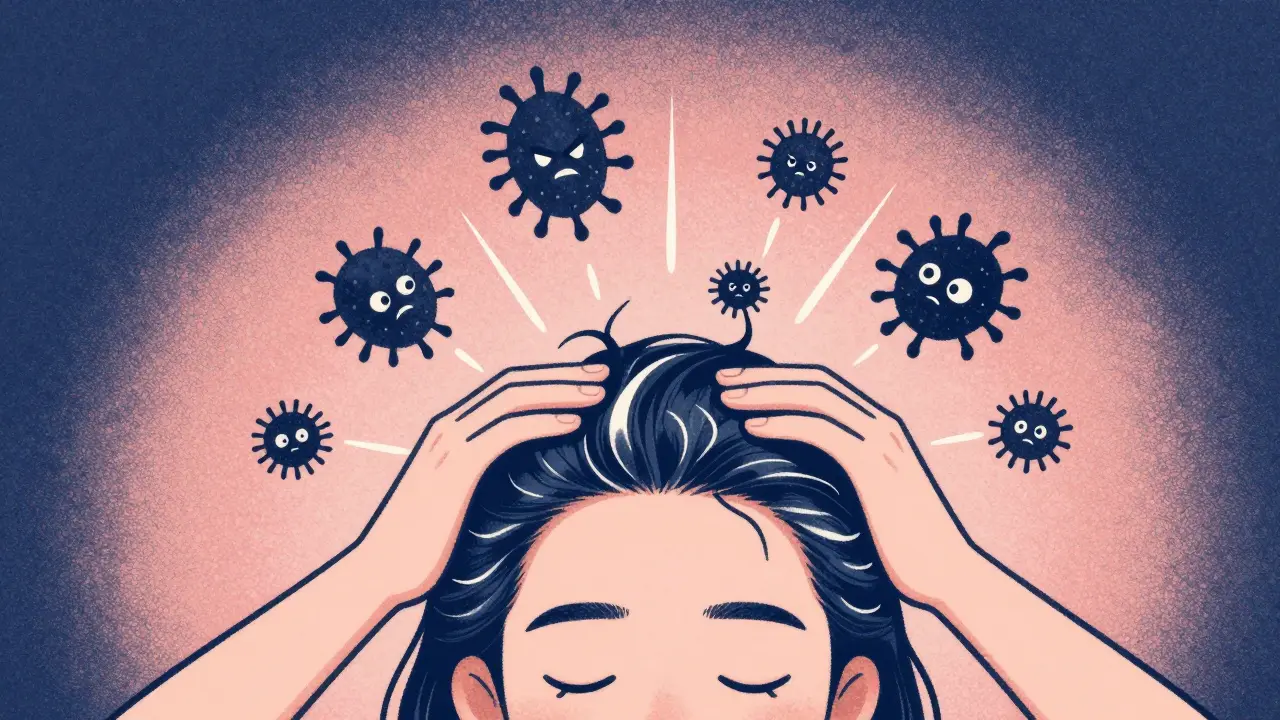
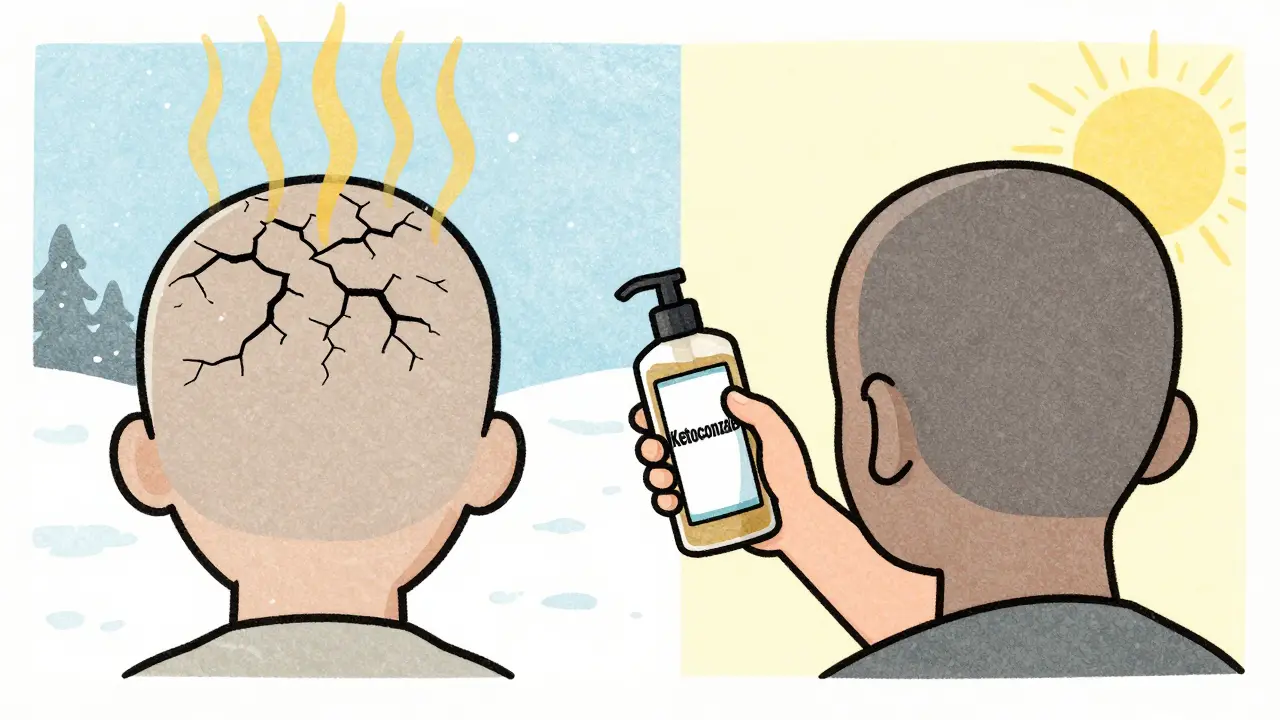
Your scalp has oil glands - lots of them. That’s normal. But when a yeast called Malassezia starts growing too fast, things go wrong. This yeast lives on everyone’s skin, but in some people, it triggers an immune response. It breaks down oils into irritating fatty acids, which inflames the skin and makes skin cells multiply too quickly. Instead of shedding gently, they clump together as visible flakes. This isn’t a fungal infection like athlete’s foot. It’s an inflammatory reaction to something that’s always there. That’s why antibiotics won’t help. And why washing more won’t fix it. The problem isn’t dirt. It’s biology. The most common areas affected? Scalp (in 9 out of 10 cases), eyebrows, sides of the nose, behind the ears, and the chest. Cold, dry weather makes it worse - about 75% of people notice flare-ups in winter. Stress plays a role too. Around 60% of patients report worse symptoms after a rough week.Why Regular Dandruff Shampoos Don’t Work
Most drugstore shampoos promise to “fight dandruff.” But if your flakes are caused by seborrheic dermatitis, they’re not just dry skin. They’re inflamed, oily, and stuck on because your skin’s natural shedding process is broken. Regular shampoos with mild surfactants might remove surface flakes, but they don’t touch the root cause: the yeast overgrowth and inflammation. That’s why you see temporary relief - then it comes back, often worse. True treatment targets three things at once:- Reduce Malassezia yeast
- Slow down rapid skin cell turnover
- Calming the inflammation
The Medicated Shampoos That Actually Work
There are six proven active ingredients in shampoos that help control seborrheic dermatitis. Here’s what each does - and who it’s best for.| Active Ingredient | How It Works | Best For | Common Side Effects |
|---|---|---|---|
| Ketoconazole (2%) | Strong antifungal that kills Malassezia yeast | Moderate to severe flaking, persistent cases | Dryness, occasional scalp irritation |
| Zinc Pyrithione (1-2%) | Antifungal and mild anti-inflammatory | Mild cases, sensitive scalps, maintenance | Minimal; may cause hair color fading |
| Selenium Sulfide (2.5%) | Slows skin cell growth, reduces yeast | Thick, greasy scales | Strong odor, temporary hair discoloration |
| Coal Tar (0.5-5%) | Slows skin cell turnover, reduces scaling | Chronic, stubborn cases | Sticky residue, strong smell, sun sensitivity |
| Salicylic Acid (1.8-3%) | Breaks down and removes thick scales | Heavy flaking, buildup | Dryness, stinging if scalp is cracked |
| Ciclopirox (1%) | Antifungal and anti-inflammatory | Facial involvement, sensitive skin | Rare; possible mild burning |
Most of these are available over the counter. Ketoconazole (like Nizoral) and zinc pyrithione (like Head & Shoulders Clinical Strength) are the most common starting points. If you have thick, stubborn flakes, try a coal tar shampoo like Neutrogena T/Gel. If your scalp is red and itchy, a combination of ketoconazole and salicylic acid (like Dermarest) can help.
How to Use These Shampoos Right
It’s not enough to just wash your hair. You need to leave the shampoo on long enough to work. Here’s the correct method:- Wet your scalp thoroughly.
- Apply a generous amount of shampoo directly to the affected areas - don’t just pour it on top of your head.
- Massage gently. Don’t scrub hard - you’re not trying to remove flakes yet, you’re letting the medicine penetrate.
- Leave it on for 5 to 10 minutes. Set a timer. This is where most people fail.
- Rinse completely.
Do this every other day for 2-4 weeks until the flaking and redness improve. Then, switch to maintenance: once or twice a week. Stop too soon, and the yeast will bounce back. Studies show symptoms return within 2-4 weeks if you stop treatment.
Some people need to rotate shampoos. Why? Because your skin can get used to one ingredient. If ketoconazole stops working after a few months, switch to selenium sulfide for a couple of weeks, then go back. The National Eczema Society recommends alternating between a ketoconazole shampoo and a coal tar product every few days for long-term control.
What About Steroid Creams?
If your scalp is red, swollen, and burning - especially if it’s spreading to your eyebrows or forehead - you might need something stronger than shampoo. Over-the-counter hydrocortisone cream (0.5% or 1%) can be applied sparingly to inflamed areas for up to 7 days. It reduces itching and redness fast. But don’t use it daily for months. Long-term steroid use on the face or scalp can thin the skin or cause other issues. For persistent facial flaking (like in the beard area), some men see improvement just by shaving. About 37% of patients with beard involvement get better with shaving alone, according to the VA Whole Health Library. If not, combine it with a ketoconazole shampoo applied to the beard area.Real People, Real Results
I’ve talked to dozens of people managing this condition. Here’s what they’ve learned:- “I used Head & Shoulders for years. Nothing changed. Switched to Nizoral - within 10 days, my scalp stopped itching.” - Mark, 42, London
- “I tried five shampoos before I found the combo: ketoconazole twice a week, salicylic acid on off days. Now I’m flake-free for months.” - Priya, 31, Birmingham
- “The smell of coal tar shampoo is awful. But I’d rather smell like tar than have flakes on my black coat.” - James, 58, Manchester
- “I thought stress wasn’t related. Then I stopped sleeping and my scalp exploded. Now I sleep better - and my flakes are gone.” - Lena, 29, Leeds
One common complaint? Dry hair. All these shampoos strip oil - even the good ones. Use a light, fragrance-free conditioner only on the ends. Avoid heavy oils, gels, or sprays. They feed the yeast and make it worse.
Triggers to Watch For
Even with the right shampoo, flare-ups happen. Here’s what to avoid:- Cold, dry air - Use a humidifier in winter.
- Stress - Even mild stress can trigger flares. Meditation, walking, sleep - these help more than you think.
- Harsh hair products - Alcohol-based gels, sprays, and waxes irritate the scalp.
- Heavy alcohol use - Studies link it to worse symptoms.
- Neurological conditions - People with Parkinson’s are 4-5 times more likely to develop it.
There’s no magic cure. But with the right routine, you can live with almost no flakes. The goal isn’t perfection - it’s control.
When to See a Dermatologist
If you’ve tried three different medicated shampoos for 6-8 weeks with no improvement, it’s time to see a specialist. You might need a prescription-strength antifungal, a calcineurin inhibitor like pimecrolimus, or even a short course of oral antifungals. Also, if your scalp is bleeding, oozing, or you’re losing hair in patches, don’t wait. That’s not seborrheic dermatitis - it could be psoriasis, eczema, or fungal infection. A dermatologist can tell the difference with a quick exam.Long-Term Management Is the Key
This isn’t something you fix in a month. It’s a chronic condition - like high blood pressure or asthma. You manage it. You don’t cure it. The good news? Once you find your combo - whether it’s ketoconazole twice a week, or alternating with tar - you can stay in control for years. Most people who stick with a routine report 80-90% fewer flare-ups. And here’s the most important thing: don’t give up because it takes time. The first 2 weeks might feel worse. That’s normal. Your skin is adjusting. Keep going.Is seborrheic dermatitis the same as dandruff?
Dandruff is a mild form of seborrheic dermatitis. Both cause flaking, but seborrheic dermatitis includes redness, greasiness, and itching. Dandruff is usually just dry, white flakes without inflammation. If your scalp is red or sore, it’s likely seborrheic dermatitis - and needs stronger treatment than regular anti-dandruff shampoo.
Can I use medicated shampoo every day?
Yes - but only at first. Use it daily or every other day for 2-4 weeks to get symptoms under control. Once your scalp is clear, reduce to once or twice a week. Daily use long-term can dry out your scalp and hair. Rotate products if you notice reduced effectiveness.
Why does my scalp get worse in winter?
Cold, dry air strips moisture from your skin, making the barrier weaker. This lets the Malassezia yeast trigger more inflammation. Indoor heating dries things out even more. That’s why 75% of people report worse symptoms in winter. Use a humidifier and avoid hot showers.
Will stress make my seborrheic dermatitis worse?
Yes. Stress doesn’t cause it, but it’s one of the top triggers. Around 60% of people notice flare-ups after a stressful event - job loss, illness, lack of sleep. Managing stress with sleep, exercise, or mindfulness can reduce flare frequency by up to 50%.
Can I use coconut oil or tea tree oil to treat it?
No. Coconut oil feeds the Malassezia yeast and can make flaking worse. Tea tree oil has some antifungal properties, but it’s not strong enough to replace proven treatments. It can also irritate the scalp. Stick to medicated shampoos with proven ingredients - ketoconazole, zinc pyrithione, or coal tar.
Does sunlight help seborrheic dermatitis?
Yes. UV light has natural antifungal and anti-inflammatory effects. Many people notice improvement in summer. That’s why dermatologists sometimes recommend short, controlled sun exposure - but never sunburn. If you’re using coal tar, avoid direct sun - it increases sensitivity.
How long until I see results?
Most people notice less flaking and itching within 1-2 weeks. Full control usually takes 4-8 weeks. If you don’t see improvement after 6 weeks of consistent use, switch to a different shampoo or see a dermatologist. Patience matters, but so does persistence.
Can children or babies get seborrheic dermatitis?
Yes - in babies, it’s called cradle cap. It looks like thick, yellow, greasy scales on the scalp. It’s harmless and usually clears up by 6-12 months. Gently massage mineral oil or baby oil, wait 15 minutes, then brush and wash with a mild shampoo. Don’t scrub. For persistent cases, pediatricians may recommend a low-strength ketoconazole shampoo.
Next Steps: Your Simple Action Plan
1. Buy one shampoo - Start with ketoconazole 2% (Nizoral) if flakes are greasy and itchy. Try zinc pyrithione if your scalp is dry and sensitive. 2. Use it correctly - Apply to scalp, leave on 5-10 minutes, rinse. Do this every other day for 3 weeks. 3. Track your progress - Take a photo of your scalp on day 1 and day 14. You’ll see the difference. 4. Switch if needed - If no change after 4 weeks, try a different active ingredient. 5. Maintain - Once clear, use it once or twice a week. Don’t stop.This condition doesn’t vanish. But with the right tools, you can live with it - without flakes, without shame, without constant frustration.


Alex Flores Gomez
Bro, I used Head & Shoulders for 5 years. Then I tried Nizoral. Like, 3 days later my scalp stopped looking like a snow globe. Why do people still waste money on gimmick shampoos? 🤦♂️