Eyelid Rash: Causes, Treatments, and What You Need to Know
When your eyelid rash, a red, itchy, or swollen condition affecting the skin around the eyes. Also known as periorbital dermatitis, it can show up suddenly and feel like a mix of dryness, burning, and irritation. It’s not just cosmetic—it can mess with your vision, make you avoid social situations, or even signal a deeper problem like an allergy or infection. Many people assume it’s just dry skin or stress, but the real causes are often more specific—and treatable.
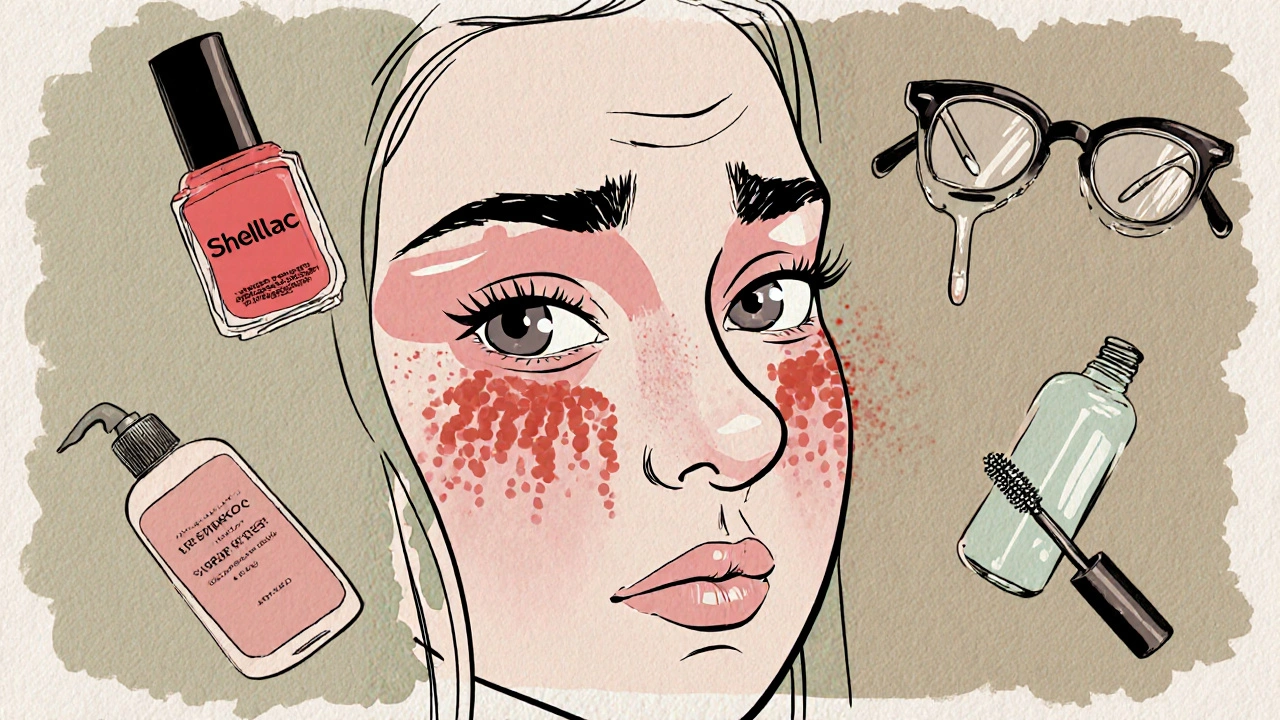
Contact dermatitis, a reaction to something touching your skin is one of the most common triggers. That new mascara, eyeliner, or even face wash can set it off. Fragrances, preservatives like parabens, and nickel in eyeglass frames are frequent culprits. Then there’s allergic conjunctivitis, an eye allergy that often comes with eyelid swelling and redness. It’s not the same as pink eye caused by viruses, but it can look similar and often happens with seasonal allergies. If you’re sneezing, tearing up, and your eyelids are puffy, your immune system is likely overreacting to pollen, dust, or pet dander. And don’t overlook blepharitis, a chronic inflammation of the eyelid margins, often tied to bacteria or skin conditions like rosacea. It’s not contagious, but it’s persistent, and without proper care, it keeps coming back.
What you do—or don’t do—matters. Rubbing your eyes makes it worse. Using old makeup? That’s a bacterial time bomb. Skipping eye hygiene? You’re feeding the problem. Some people try steroid creams without a doctor’s advice, which can backfire and cause thinning skin or glaucoma. Others switch to "natural" products thinking they’re safer, but plant oils and essential oils can be just as irritating. The key is identifying the trigger. A patch test can help. So can a simple elimination game: stop using one product at a time and see what changes. Antihistamines like loratadine or cetirizine often help with allergy-related cases, and cold compresses give quick relief. But if it’s bacterial, you might need a topical antibiotic. If it’s seborrheic or linked to rosacea, a gentle cleanser and maybe a low-dose anti-inflammatory might be the answer.
What you’ll find below are real, practical guides based on actual cases and clinical insights. No fluff. No marketing. Just clear breakdowns of what causes eyelid rash, how to treat it safely, and which medications or home fixes work—and which ones don’t. From comparing allergy meds that won’t make you drowsy, to understanding why some skincare products are worse than others, these posts give you the facts you need to stop guessing and start healing.
Eyelid dermatitis is often caused by hidden allergens in cosmetics, nail polish, and hair products. Learn the top triggers, why patch testing is essential, and how to safely treat and prevent recurring rashes.