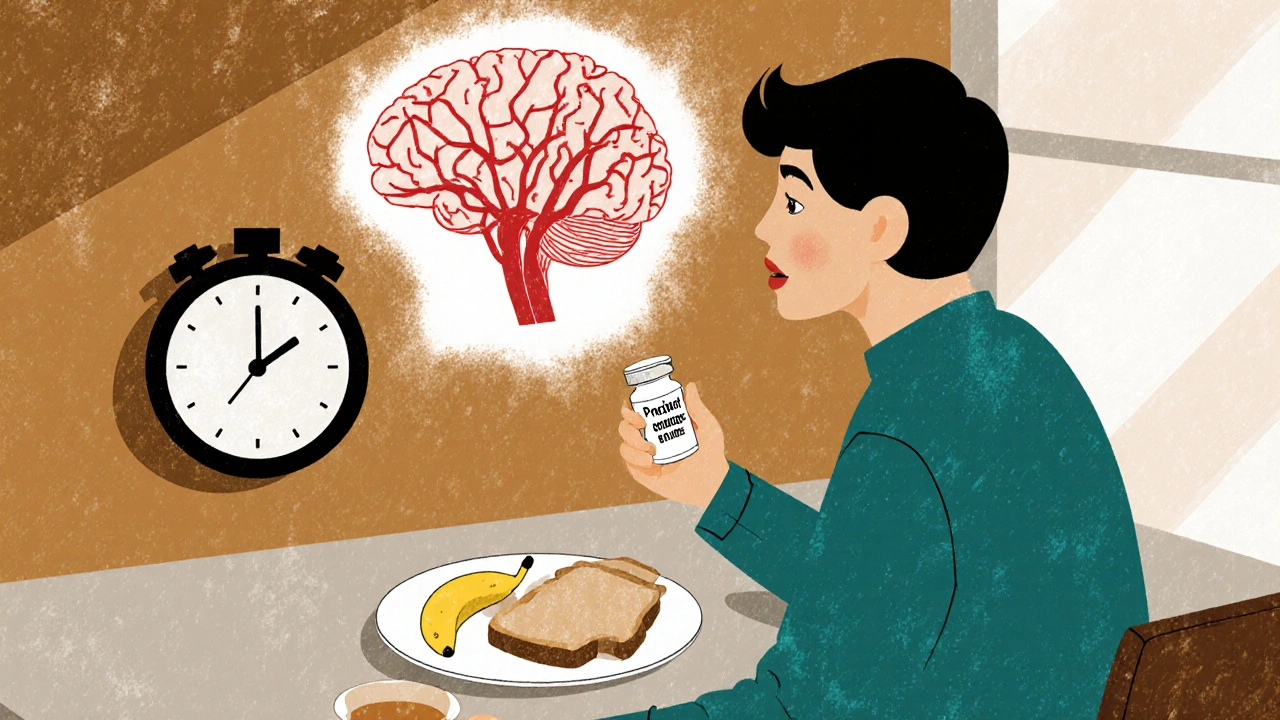
Opioid-Induced Vomiting: Causes, Treatments, and What Works
When you take opioids for pain, your body doesn’t always cooperate. opioid-induced vomiting, a side effect caused by how opioids interact with the brain’s vomiting center and gut nerves. Also known as chemotherapy-like nausea from pain meds, it’s not just uncomfortable—it can make people stop taking needed pain relief. This isn’t rare. Up to half of people on long-term opioids experience nausea or vomiting, especially when starting treatment or increasing their dose. It’s not weakness. It’s biology.
The problem starts in the brainstem, where opioids trigger the chemoreceptor trigger zone, a part of the brain that detects toxins and signals vomiting. They also slow gut movement, letting stomach contents sit too long, which adds to the feeling of sickness. This isn’t just about stomach upset—it’s a full nervous system reaction. That’s why antacids or ginger tea often don’t cut it. You need targeted drugs that block the specific pathways opioids activate.
That’s where prochlorperazine, a dopamine blocker used for nausea from opioids and other causes comes in. It’s been used for decades and still works well for many. But newer options like ondansetron, a serotonin blocker that targets gut receptors are often preferred now because they cause less drowsiness and don’t interfere with pain control. Metoclopramide helps too—it speeds up digestion while blocking nausea signals. But not all antiemetics are equal. Some, like promethazine, can make you too sleepy or even raise the risk of breathing issues when mixed with opioids.
What you take depends on your pain level, other meds, and how your body reacts. Some people need a combo—low-dose prochlorperazine at night for sleep, and ondansetron during the day. Others find that switching from morphine to oxycodone or fentanyl reduces nausea because of how each drug binds to receptors. And yes, timing matters. Taking your opioid with food, or slowly increasing the dose, can help your body adjust. But if vomiting keeps happening after a week, don’t wait. Talk to your doctor. There’s almost always a better option.
The good news? You don’t have to choose between pain relief and feeling sick. There are proven ways to manage this side effect without reducing your pain control. Below, you’ll find real comparisons of the most common antiemetics used with opioids, what works best for different situations, and what to avoid. These aren’t theory—they’re what pharmacists and patients are using right now to get through treatment without throwing up.
Opioid-induced nausea affects up to 40% of users, but it's manageable. Learn which antiemetics work best, how timing your doses cuts nausea, and simple diet changes that help you stay on track with pain relief.