Warfarin vs Apixaban: Key Differences, Risks, and What You Need to Know
When it comes to preventing strokes and blood clots, warfarin, a decades-old anticoagulant that requires regular blood tests to monitor its effect. Also known as Coumadin, it’s been the go-to blood thinner for generations. But in recent years, apixaban, a newer type of anticoagulant that works differently and doesn’t need routine blood checks. Also known as Eliquis, it’s become one of the most prescribed alternatives. These two drugs both thin your blood to reduce stroke risk—especially if you have atrial fibrillation—but they work in completely different ways, and that changes everything about how you live with them.
Warfarin’s biggest headache? You need frequent INR monitoring. That’s a blood test that checks how long it takes your blood to clot. Your dose gets adjusted based on the result, and even small changes in diet, alcohol, or other meds can throw it off. If your INR is too high, you risk dangerous bleeding. Too low, and clots can still form. It’s a tightrope walk. Apixaban doesn’t care about your INR. You take the same dose every day, no blood draws needed. It also doesn’t interact with vitamin K-rich foods like spinach or kale, so you don’t have to count greens. But that convenience comes with a trade-off: if you bleed while on apixaban, there’s no easy way to reverse it quickly—unlike warfarin, where vitamin K or fresh plasma can help.
Another big difference? alcohol, a common factor that can dangerously spike INR levels in people taking warfarin. Drinking even one or two drinks a day can make warfarin unpredictable. With apixaban, moderate alcohol use is usually fine—but your doctor will still tell you to be careful. Then there’s cost. Warfarin is cheap—pennies per pill. Apixaban? It’s still expensive unless you have good insurance or a coupon. And if you’re over 65, you need to know about the Beers Criteria, a list of medications that can be risky for older adults. Warfarin is on it because of bleeding risks in seniors, but apixaban is often preferred for that age group—when kidney function allows.
Both drugs carry a risk of serious bleeding, but the types of bleeding can differ. Warfarin users are more likely to have brain bleeds from minor head injuries. Apixaban users might bleed more in the stomach or intestines. Neither is "better"—it depends on your health, lifestyle, budget, and how well you can stick to a routine. If you hate blood tests and eat a lot of leafy greens, apixaban might be easier. If you’re on a tight budget and can handle the monitoring, warfarin still works. But here’s the thing: if you’ve been on warfarin for years and your INR is stable, switching isn’t always worth the risk. Talk to your doctor about your daily life—not just the numbers.
Below, you’ll find real, practical posts that dig into the details you won’t get from a quick Google search: how alcohol affects your INR, what those pharmacy stickers on your bottle really mean, how to spot fake meds, and why your pill might suddenly look different—even if it’s the same drug. These aren’t theory pieces. They’re tools to help you stay safe, informed, and in control.
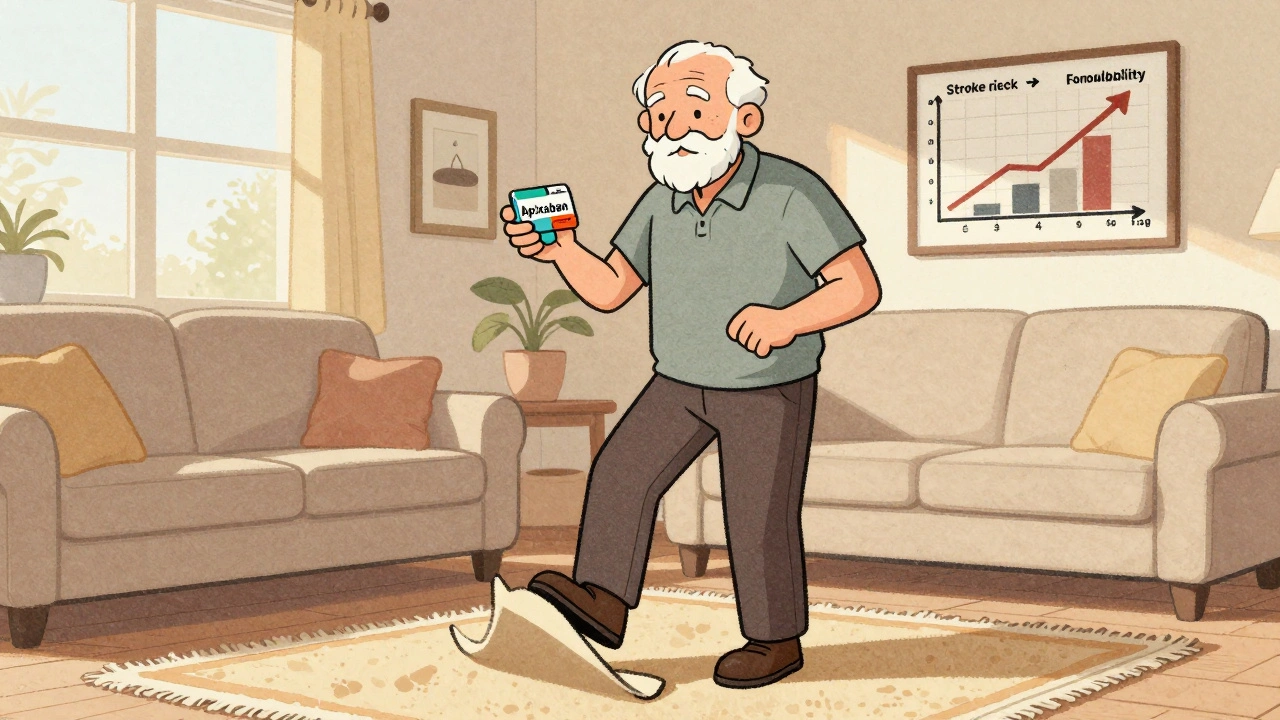
Anticoagulants save more lives than they endanger in seniors with atrial fibrillation. Despite fears about falls, evidence shows stroke prevention benefits far outweigh bleeding risks - especially with newer drugs like apixaban.