Workplace Accommodations: What You Need to Know for Health and Productivity
When someone lives with a chronic condition, injury, or disability, workplace accommodations, adjustments made to a job or environment so a person can perform their duties safely and effectively. Also known as reasonable adjustments, they’re not perks—they’re legal rights under the Americans with Disabilities Act (ADA). These changes aren’t about making things easier; they’re about removing barriers so people can do their jobs without pain, fatigue, or unnecessary risk.
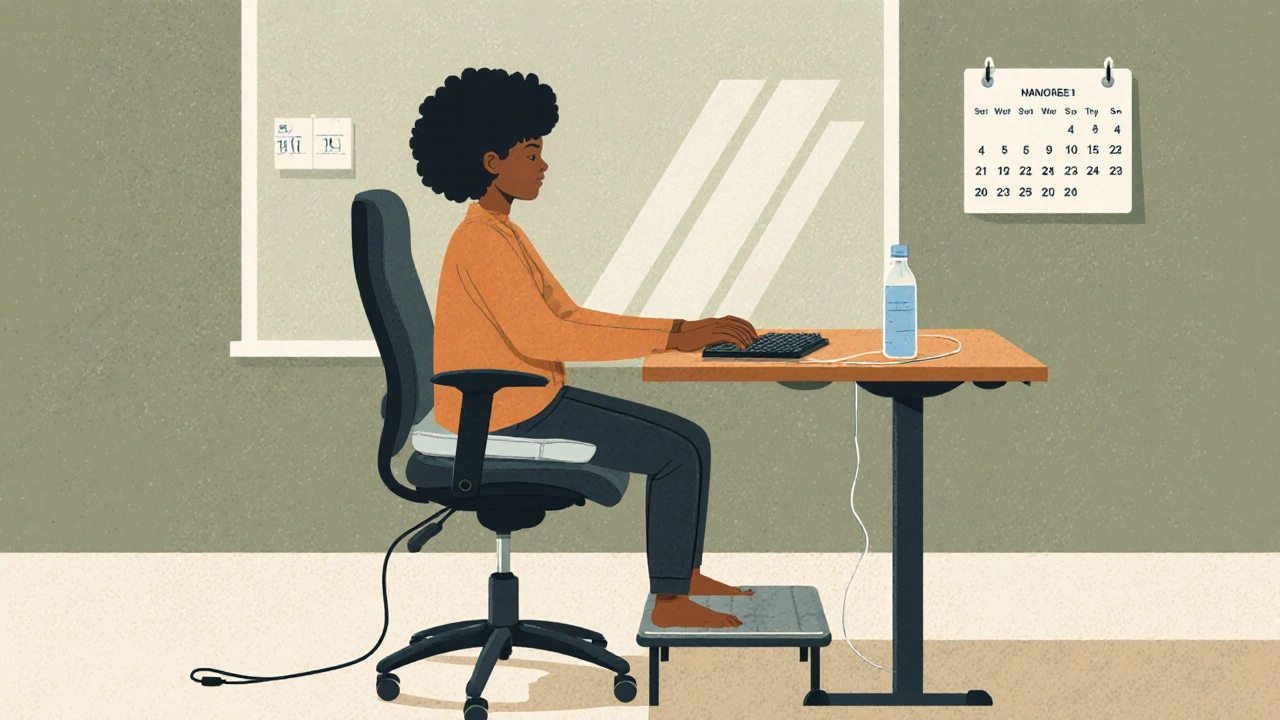
Many ergonomics, the science of designing workspaces and tools to fit the human body and reduce strain fixes are simple: raising a desk, switching to a keyboard that doesn’t hurt your wrists, or giving someone a chair with better back support. But accommodations go beyond furniture. They include flexible hours for medical appointments, remote work options for people with mobility issues or chronic pain, and quiet spaces for those managing anxiety or neurological conditions. You might not think of ADA compliance, the legal requirement for employers to provide accommodations unless they cause undue hardship as something that affects your daily routine, but if you’ve ever taken a break to manage fatigue from diabetes or needed extra time to read medication labels because of vision changes, you’ve benefited from it.
What’s often missing is awareness. Many employees don’t know they can ask for help. Many employers don’t know how to respond. The truth is, most accommodations cost little or nothing. A 2023 study by the Job Accommodation Network found that 59% of accommodations cost nothing at all, and the rest averaged under $500. That’s less than the price of a new laptop. The real cost? Not making changes—lost productivity, higher turnover, and unnecessary suffering.
Workplace accommodations aren’t just for visible disabilities. They’re for people managing gout flare-ups, thyroid issues, neuropathy, or side effects from immunosuppressants. They’re for someone who needs to sit down during a shift because of joint damage, or who needs to take medication at specific times without being penalized. This isn’t about special treatment. It’s about fairness.
Below, you’ll find real stories and practical guides on how to ask for what you need, what employers are legally required to provide, and how small changes—like adjusting lighting for eyelid dermatitis or scheduling breaks around opioid nausea—can make a huge difference. These aren’t theoretical ideas. They’re tools people are using right now to stay healthy, stay employed, and stay in control of their lives.
Learn how to return to work with chronic pain using practical accommodations, legal rights, and step-by-step strategies. Get real examples of what works, how to ask for help, and what to do if your employer says no.