Papillary Thyroid Cancer: Causes, Treatments, and What You Need to Know
When you hear papillary thyroid cancer, the most common form of thyroid cancer, typically slow-growing and highly treatable when caught early. It often starts as a small lump in the thyroid gland and is more common in women under 50. Unlike aggressive cancers, papillary thyroid cancer usually responds well to treatment, with survival rates over 98% for early-stage cases. It’s not something you hear about often—but if you’ve been told you have a thyroid nodule, this is the most likely diagnosis.
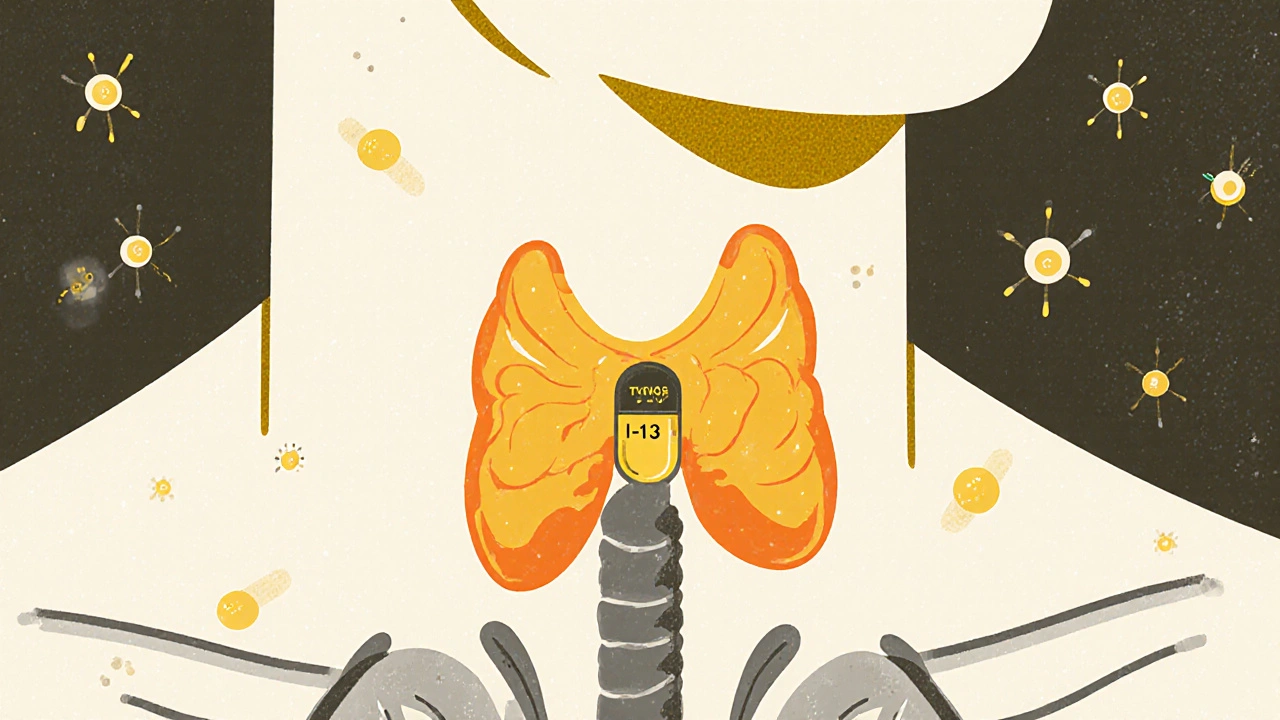
What makes it different from other thyroid cancers? It grows slowly, rarely spreads beyond the neck, and often shows up during routine checkups or imaging for unrelated issues. The thyroid nodule, a small lump in the thyroid gland that can be benign or cancerous is the usual starting point. Most nodules aren’t cancer, but if a biopsy shows papillary cells, your doctor will likely recommend surgery to remove part or all of the thyroid. After that, many patients need radioactive iodine, a treatment that destroys remaining thyroid tissue and cancer cells without affecting other parts of the body. It’s not a chemo drug—it’s a targeted therapy you swallow as a pill.
Recovery doesn’t end with surgery or radiation. You’ll need lifelong thyroid hormone therapy, medication to replace the hormones your thyroid used to make and to suppress TSH, which can fuel cancer recurrence. Many people feel better once they find the right dose—no more fatigue, weight gain, or brain fog. But getting there takes time. Blood tests every few months are normal. Some patients worry about side effects, but the real risk comes from skipping doses, not from the medicine itself.
There’s no single cause, but genetics, radiation exposure (especially in childhood), and certain inherited syndromes can raise your risk. Most people with papillary thyroid cancer have no family history and no obvious triggers. That’s why early detection matters so much. If you’ve had a lump in your neck, voice changes, or trouble swallowing, don’t ignore it. Ultrasounds and fine-needle biopsies are quick, low-risk, and accurate.
What you’ll find in the posts below isn’t a textbook. It’s real talk from people who’ve been there—about managing side effects, understanding lab results, dealing with anxiety after diagnosis, and how to talk to your doctor when something doesn’t feel right. Some posts cover how thyroid meds interact with other drugs. Others explain why certain supplements can interfere with treatment. You won’t find fluff. Just clear, practical info that helps you take control after a diagnosis.
Thyroid cancer is highly treatable, with most patients surviving long-term. Learn about the four main types, how radioactive iodine therapy works, what thyroidectomy involves, and what life looks like after treatment.