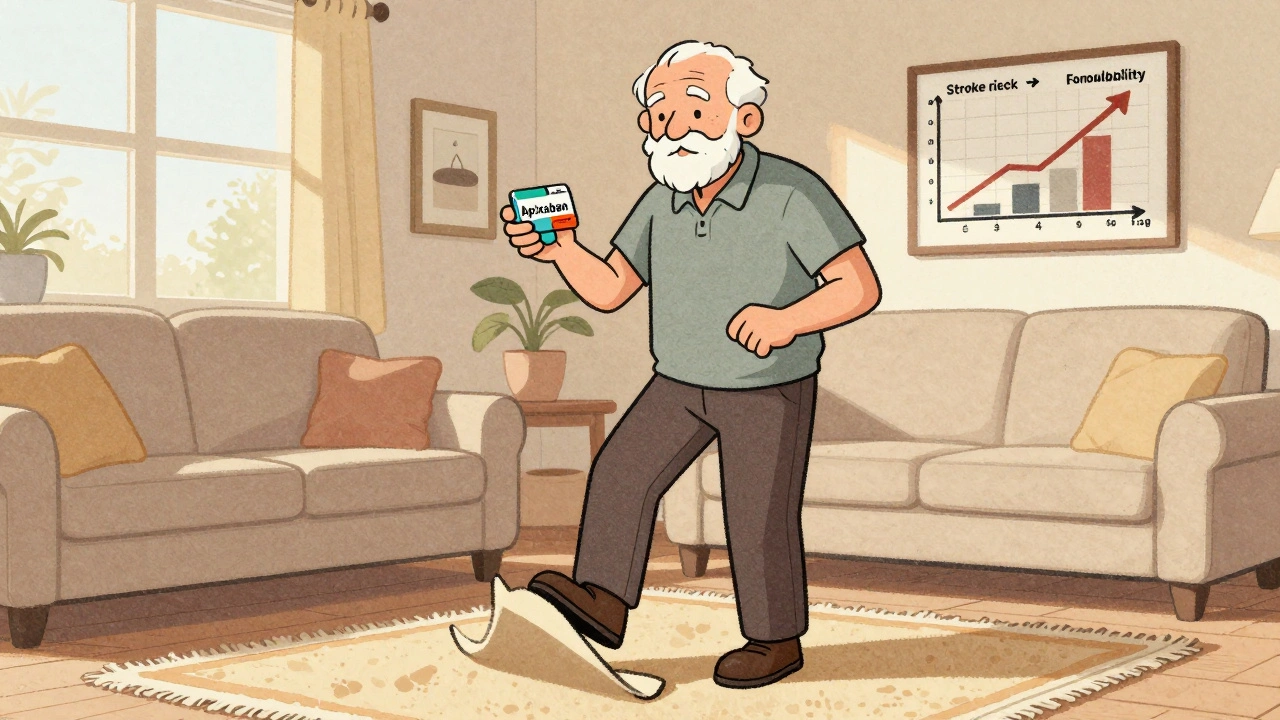
Stroke Prevention in Elderly: Key Medications, Lifestyle Tips, and Safety Tips
When it comes to stroke prevention in elderly, a set of targeted health strategies designed to reduce the risk of brain blood vessel blockages or ruptures in people over 65. Also known as cerebrovascular accident prevention, it’s not just about taking a pill—it’s about managing what you take, how you live, and avoiding hidden dangers in your medicine cabinet. The risk of stroke rises sharply after 65, and many common medications can make it worse if not handled right. That’s why knowing which drugs to avoid and which ones actually help is just as important as eating right or walking daily.
One of the biggest risks for older adults isn’t high blood pressure alone—it’s the Beers Criteria, a list of potentially dangerous medications for seniors that doctors and pharmacists use to cut out harmful prescriptions. Drugs like certain antihistamines, sedatives, and even some blood pressure meds can increase fall risk or mess with blood clotting, making stroke more likely. For example, mixing blood thinners like warfarin with alcohol or certain antibiotics can spike your INR levels and cause dangerous bleeding in the brain. And if you’re taking a generic version of a drug that looks different than before? That’s normal—thanks to trademark laws—but you still need to confirm it’s the right one. medication safety, the practice of using, storing, and tracking drugs to avoid errors, overdoses, or interactions isn’t optional for seniors—it’s survival.
Stroke prevention isn’t just about pills. It’s about knowing when to ask your doctor to deprescribe, how to store meds so kids or pets don’t get into them, and whether your daily meds are even still needed. Many seniors take five or more prescriptions, and some of them might be doing more harm than good. That’s why the posts below cover everything from spotting fake generics to understanding why color-coded pharmacy labels matter, how to track expiration dates, and which drugs on your shelf could be quietly raising your stroke risk. You’ll find real, no-fluff advice on what works, what doesn’t, and what your pharmacist won’t always tell you. This isn’t theory—it’s what keeps older adults out of the hospital and living independently longer.
Anticoagulants save more lives than they endanger in seniors with atrial fibrillation. Despite fears about falls, evidence shows stroke prevention benefits far outweigh bleeding risks - especially with newer drugs like apixaban.