
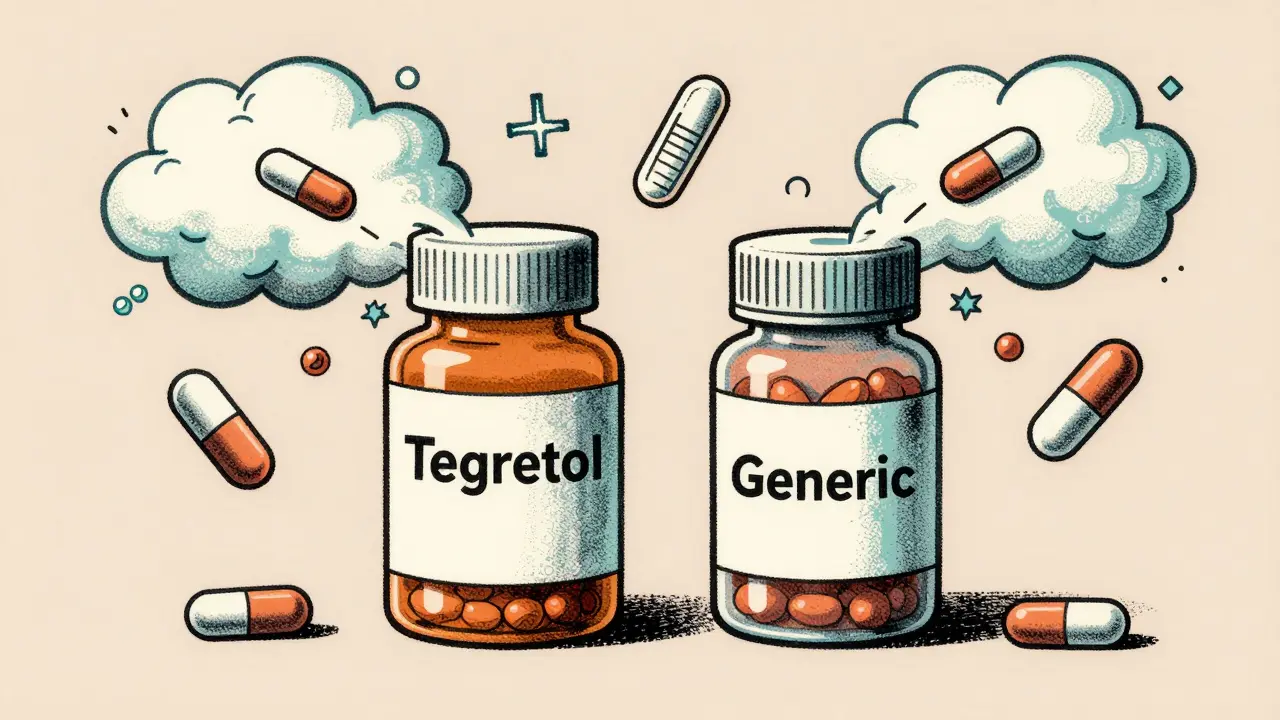
When you switch from brand-name Tegretol to a generic version of carbamazepine, you might not think much of it. After all, the FDA says they’re bioequivalent. But for people managing epilepsy or nerve pain, that small change can mean the difference between staying seizure-free and ending up in the emergency room. The problem isn’t the drug itself-it’s what carbamazepine does to your body’s chemistry, and how different generic versions can behave differently under the hood.
Why Carbamazepine Is More Than Just Another Pill
Carbamazepine isn’t your average medication. It’s an antiepileptic drug that works by calming overactive nerve signals in the brain. But here’s the twist: it also turns on enzymes in your liver that break down not just itself, but a whole list of other drugs you might be taking. This is called enzyme induction, and it’s powerful. Carbamazepine is one of the strongest inducers of CYP3A4, the same enzyme that metabolizes more than half of all prescription medications. That means if you’re on carbamazepine, drugs like warfarin (a blood thinner), cyclosporine (used after transplants), certain HIV meds, and even birth control pills can become less effective. Your body starts clearing them out faster, and your blood levels drop-sometimes without you noticing. A 2022 study in the Journal of Clinical Pharmacy and Therapeutics found that 65-75% of people on carbamazepine need regular blood tests to make sure the dose is still right. Without monitoring, you’re flying blind.The Hidden Problem with Generic Switches
There are over 30 FDA-approved generic versions of carbamazepine tablets and another 18 extended-release formulations. They all meet the same bioequivalence standards: their absorption must be within 80-125% of the brand drug. Sounds fair, right? But here’s the catch: carbamazepine has a narrow therapeutic index. That means the difference between a dose that works and one that’s dangerous is small. The therapeutic range is only 4-12 mcg/mL. A drop of just 15% below that can trigger breakthrough seizures. A 2018 study in Epilepsia followed 327 patients who were switched between different generic brands. Twelve percent had problems-seizures returned, dizziness got worse, or they had to go to the ER. Seven percent had to be hospitalized. These weren’t rare cases. They were people who took the exact same milligram dose, but the formulation-how the drug is released, how it dissolves in the gut-was different. Extended-release capsules like Carbatrol or Tegretol XR contain tiny beads that slowly release the drug over time. Some generics use larger beads, others smaller. For someone with slow digestion (like older adults or people with gastroparesis), that can change how much drug gets absorbed.Autoinduction: The Drug That Speeds Up Its Own Breakdown
Carbamazepine doesn’t just induce enzymes for other drugs-it induces its own. This is called autoinduction. When you start taking it, your body slowly ramps up the enzymes that break it down. Within 48 hours, the process begins. By two to three weeks, you’re metabolizing the drug much faster than when you first started. That’s why a dose that worked at the beginning might stop working after a few weeks. Many patients need dose increases over time-not because their condition got worse, but because their body changed how it handles the drug. This makes switching generics even riskier. If you move from one generic to another, and the new version releases the drug slightly slower or faster, your enzyme levels are already tuned to the old one. You’re not starting from scratch-you’re adjusting on top of an already shifting system. A 2020 study by Dr. Emilio Perucca showed that in patients taking multiple seizure meds, the variability in carbamazepine levels jumped from 25% to 45%. That’s huge. It means two people on the same dose could have blood levels that differ by nearly half.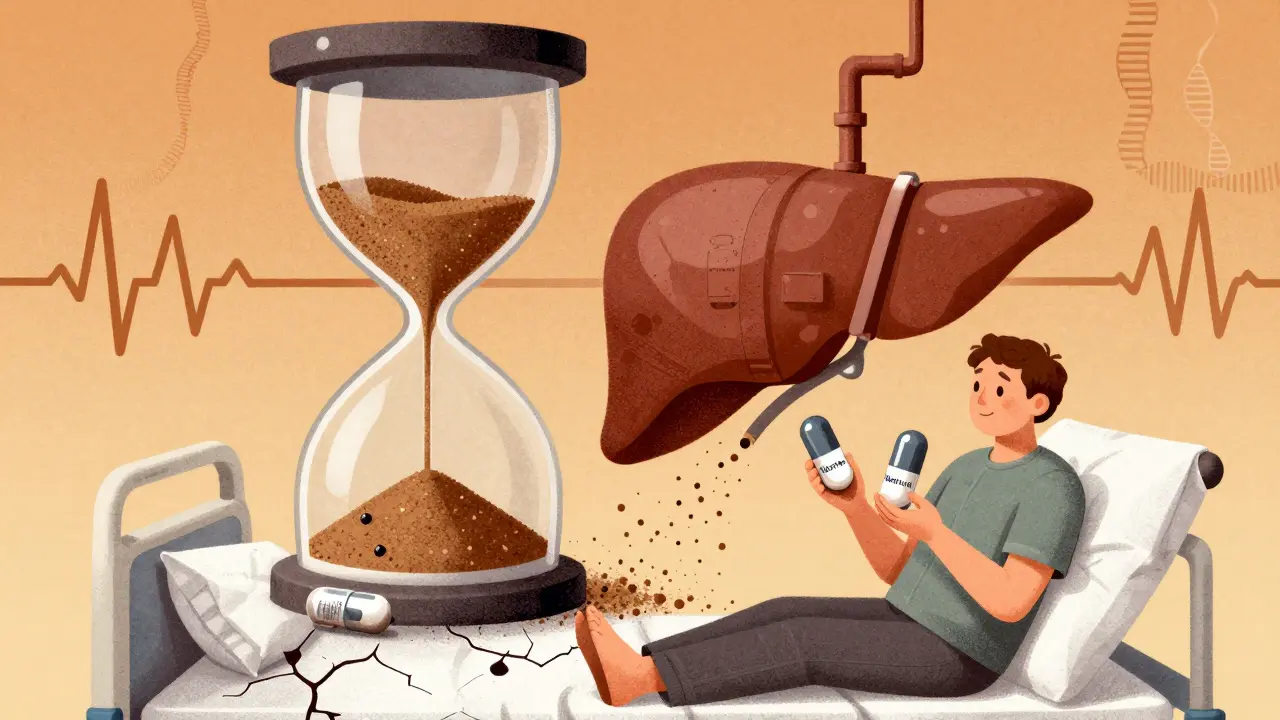
Gender, Genetics, and Why One Size Doesn’t Fit All
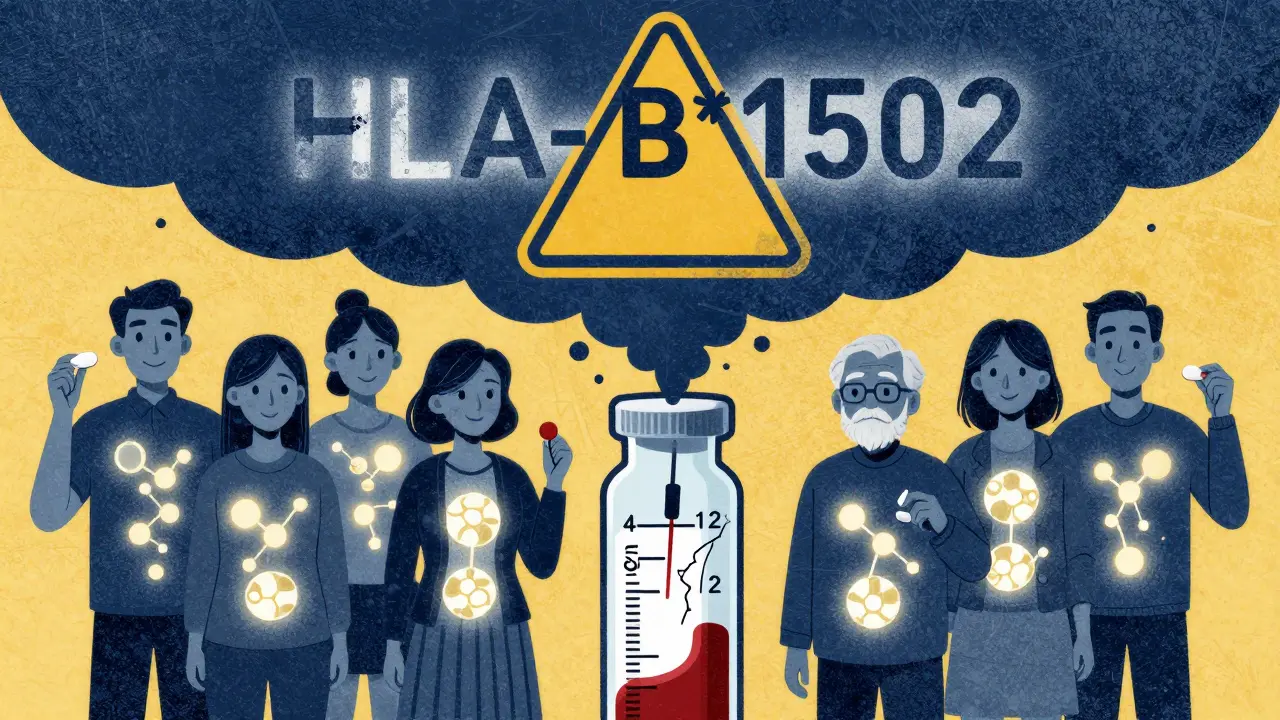
Men and women process carbamazepine differently. Women tend to metabolize it faster because they have higher CYP3A4 activity. Men clear other drugs like phenytoin more quickly due to stronger CYP2C9 and CYP2C19 activity. This isn’t just theory-it’s measurable. A 2021 study in Pharmacogenetics and Genomics found women had 20-25% higher enzyme activity for carbamazepine breakdown. That’s why women of childbearing age are more likely to have breakthrough seizures after a generic switch. Hormonal changes during the menstrual cycle, pregnancy, or while on birth control can further alter metabolism. And then there’s genetics. If you’re of Asian descent, especially from China, Thailand, or Malaysia, you may carry the HLA-B*1502 gene variant. This increases your risk of Stevens-Johnson Syndrome-a rare but deadly skin reaction-by tenfold. The FDA recommends screening for this gene before starting carbamazepine. If you test positive, you should avoid it entirely. Levetiracetam or other alternatives are safer. Even within non-Asian populations, over 17 genetic variants affect how carbamazepine is processed. People with the CYP3A4*22 variant need 25% less drug to reach safe levels. Without genetic testing, you’re guessing your dose.What You Need to Do If You’re on Carbamazepine
If you’re taking carbamazepine, here’s what actually matters:- Don’t switch generics without talking to your doctor. Even if your pharmacy says it’s the same, the manufacturer matters. Ask for the brand name or specific generic maker on your prescription.
- Get a blood test before and after any switch. Check your carbamazepine level before switching, then again at 7-10 days and 4 weeks after. If it drops or rises by more than 15%, your dose needs adjustment.
- Use ‘Dispense As Written’ (DAW) code 1. This tells the pharmacy not to substitute. About 68% of U.S. neurologists use this to prevent automatic switches.
- Know your manufacturer. The FDA’s Orange Book lists 12 different makers for 200 mg carbamazepine tablets. Write down which one you’re on. If your pharmacy changes it, ask why.
- Track your symptoms. Did your seizures get worse? Did you feel more dizzy, nauseous, or confused? These aren’t just ‘side effects’-they could be signs your drug level changed.


Kenji Gaerlan
bro i switched generics last month and my seizures went nuts. no joke. pharmacy didn’t even tell me. now i just beg for the brand name. it’s not worth the risk.