
Clarithromycin Interaction Checker
This tool helps you identify dangerous interactions between clarithromycin and other common medications. Based on FDA warnings and clinical evidence, it highlights high-risk combinations that can cause serious harm or death.
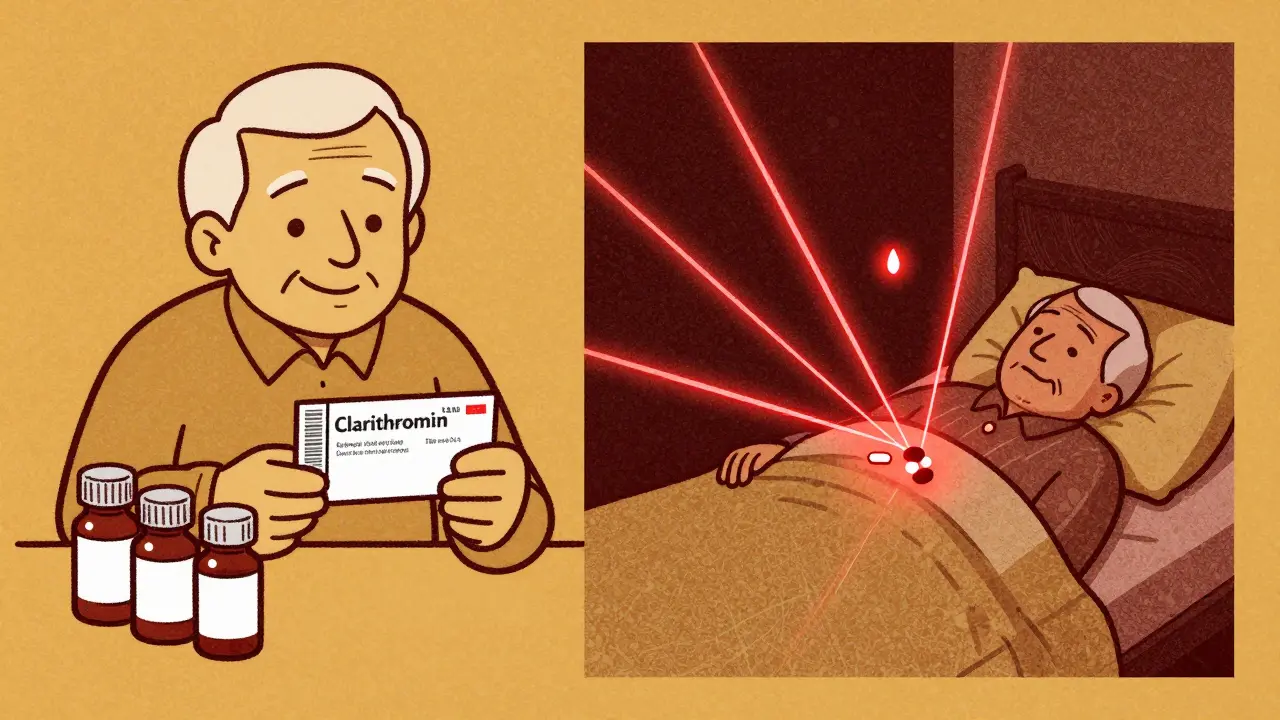
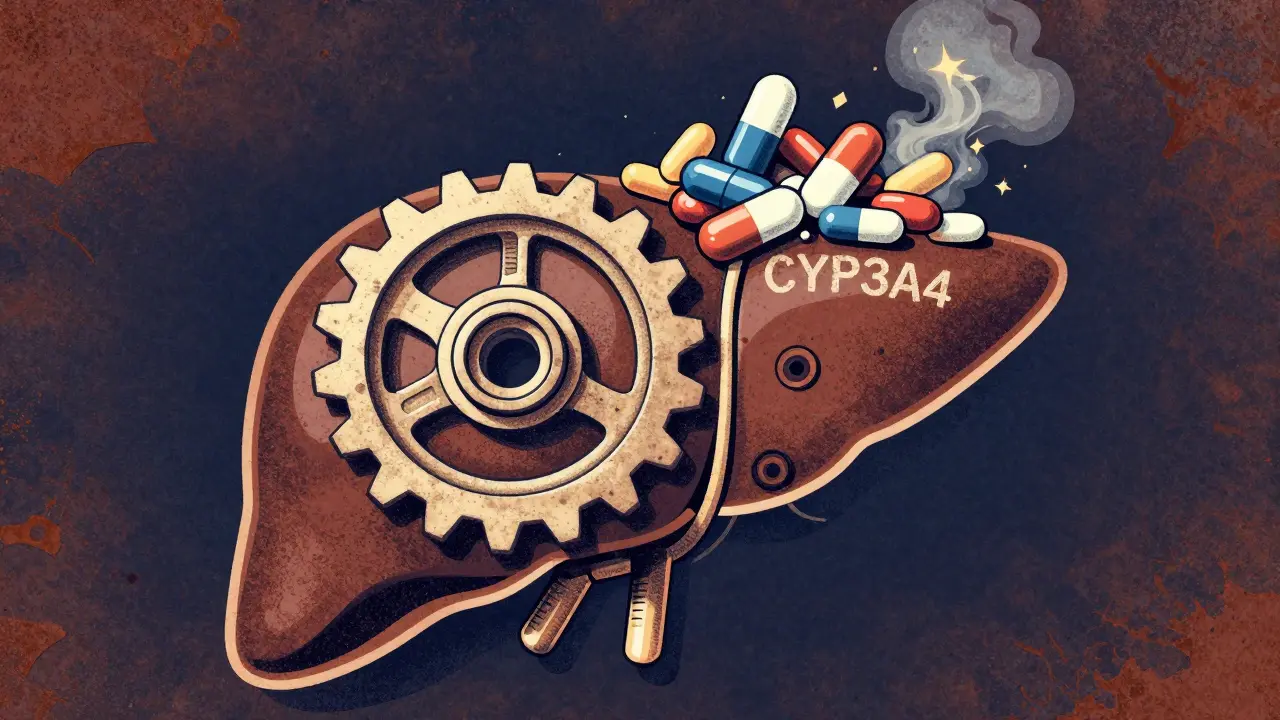
Clarithromycin can save your life - or kill you - depending on what else you're taking. This antibiotic, sold under the brand name Biaxin, works well against pneumonia, bronchitis, and skin infections. But here’s the problem: it doesn’t just fight bacteria. It also shuts down a key enzyme in your liver called CYP3A4, which is responsible for breaking down more than half of all prescription drugs. When that enzyme slows down, other medications build up in your blood to dangerous levels. And in some cases, that buildup can be fatal.
Why Clarithromycin Is Riskier Than Other Antibiotics
Not all antibiotics are created equal when it comes to drug interactions. Azithromycin, another macrolide, barely touches CYP3A4. That’s why doctors now reach for azithromycin more often - it’s safer for people on multiple meds. Clarithromycin, on the other hand, is a powerhouse inhibitor. One study showed it increased colchicine levels by nearly three times. That’s not a small bump. That’s a red flag.
Compared to amoxicillin, clarithromycin carries a higher risk of serious heart problems. The FDA found that patients taking clarithromycin had a higher chance of dangerous heart rhythms, especially if they were already on other drugs that affect heart rhythm. That’s why the American Heart Association says: avoid clarithromycin if you have a prolonged QT interval or are on any medication that can lengthen it.
The Deadliest Combination: Clarithromycin and Colchicine
If you take colchicine for gout, this is the most important thing you need to know: never take clarithromycin with it.
Colchicine is a small, powerful drug. It’s used in tiny doses - often just 0.6 mg once or twice a day. But when clarithromycin blocks its breakdown, colchicine levels skyrocket. That leads to severe toxicity: vomiting, diarrhea, muscle weakness, kidney failure, and even death. Between 2015 and 2020, the FDA recorded 58 serious or fatal cases of this interaction. Twenty-two of those ended in death.
One real case involved a 76-year-old woman with chronic gout. She took her usual colchicine dose while on clarithromycin for a chest infection. Eleven days later, she was dead. Her body couldn’t process the colchicine anymore. It built up until her muscles broke down, her organs failed, and she couldn’t recover.
The Institute for Safe Medication Practices calls this a Category A high-alert interaction - the highest risk category. That means even a single dose of clarithromycin can trigger disaster in someone taking colchicine regularly.
Statins That Turn Deadly
Another dangerous combo: clarithromycin and statins - especially simvastatin and lovastatin. These cholesterol-lowering drugs are already known to cause muscle damage in rare cases. But when clarithromycin gets in the mix, that risk explodes.
One documented case involved a 68-year-old man on simvastatin 40 mg daily. He started clarithromycin for a sinus infection. Within 72 hours, he developed rhabdomyolysis - his muscles started dying. His kidneys shut down. He ended up in the ICU needing dialysis. His blood levels of simvastatin were more than five times higher than normal.
Atorvastatin is less risky than simvastatin, but still dangerous. The Mayo Clinic lists 38 drugs that shouldn’t be mixed with clarithromycin. Statins make up a big chunk of that list. If you’re on any statin, ask your doctor or pharmacist before starting clarithromycin. There are safer alternatives - like azithromycin - that won’t trigger this reaction.
Heart Medications and Blood Thinners: A Dangerous Mix
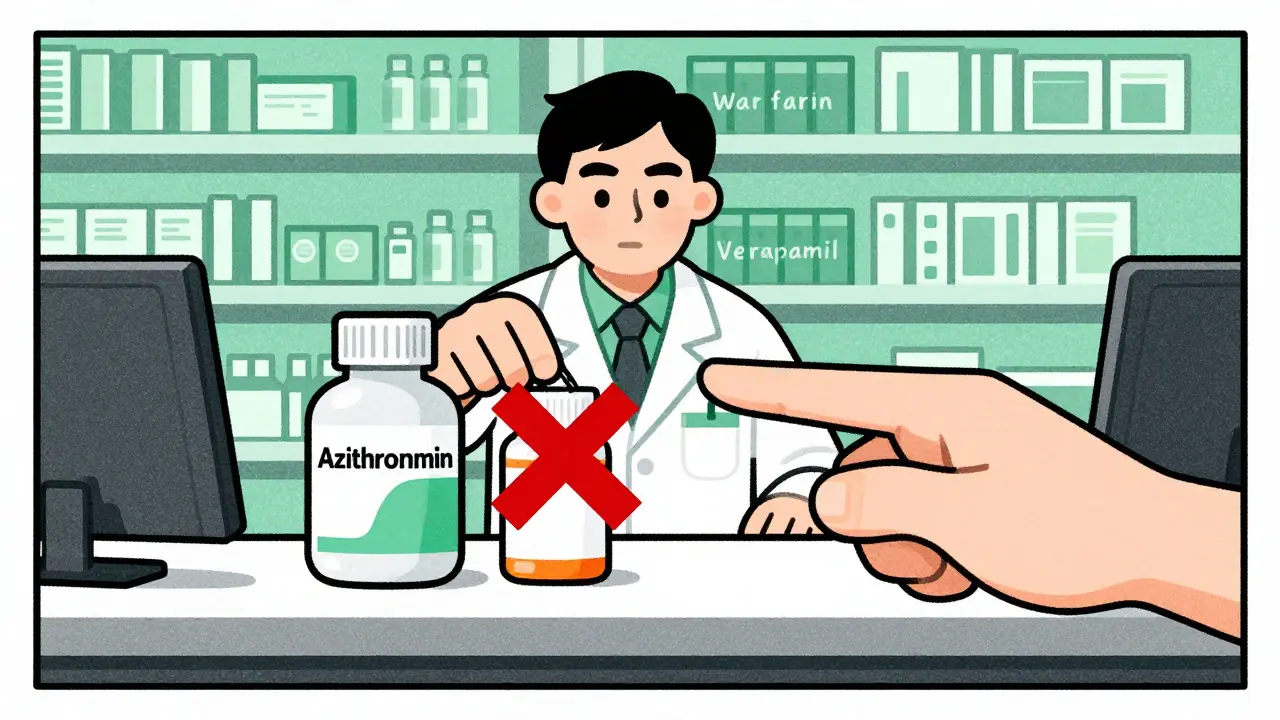
Clarithromycin doesn’t just mess with statins and colchicine. It also interferes with heart drugs like verapamil, diltiazem, and amlodipine. These are calcium channel blockers used for high blood pressure and heart rhythm problems. When clarithromycin slows their metabolism, your blood pressure can drop too low. Your heart rate can slow dangerously. You could pass out or suffer cardiac arrest.
And then there’s warfarin. This blood thinner needs careful dosing. Even a small change in its level can cause bleeding or clots. Clarithromycin can raise warfarin levels by up to 50%. That’s why people on warfarin need frequent INR checks if they’re prescribed clarithromycin - but even then, the risk remains high.
Another risky combo: clarithromycin with rivaroxaban (Xarelto). Both affect how blood clots. Together, they can increase bleeding risk dramatically. Pharmacists have stepped in to stop this combination in hospitals - more than once.
Who’s Most at Risk?
Older adults are the most vulnerable. About 42% of people over 65 who get clarithromycin are also taking at least one drug that interacts dangerously with it. The American Geriatrics Society’s Beers Criteria - the gold standard for safe prescribing in seniors - says clarithromycin should be avoided in anyone over 65 who’s on CYP3A4 substrates with a narrow therapeutic index. That includes colchicine, statins, and many heart meds.
People with kidney problems are also at higher risk. The European Medicines Agency found that patients with severe renal impairment who take both clarithromycin and colchicine have a 4.3-fold higher risk of fatal toxicity. That’s because both drugs are cleared through the kidneys. When the kidneys are weak, and the liver can’t break them down either, the result is a perfect storm.
What Should You Do?
If your doctor prescribes clarithromycin, ask these questions:
- Am I taking any statins, especially simvastatin or lovastatin?
- Do I take colchicine for gout or familial Mediterranean fever?
- Am I on any heart medication like verapamil, diltiazem, or amlodipine?
- Do I take warfarin, rivaroxaban, or any other blood thinner?
- Am I on any epilepsy meds, theophylline, or ergotamine?
If you answered yes to any of these, ask for azithromycin instead. It’s just as effective for most infections and doesn’t cause these deadly interactions. In fact, since 2015, clarithromycin prescriptions have dropped by 28% in the U.S., while azithromycin prescriptions have risen to 63% of all macrolide use - mostly because doctors now know the risks.
If clarithromycin is truly your only option - for example, if you have Mycobacterium avium complex - your doctor should reduce the dose of your other meds by 50-75% and monitor you closely. But even then, it’s not safe. The FDA added a boxed warning to clarithromycin labels in March 2023 - the strongest possible warning - saying concomitant use with colchicine has caused fatal toxicity.
The Bigger Picture: Why This Keeps Happening
Doctors aren’t ignoring the risks. The problem is that clarithromycin is still listed as a first-line option in some guidelines. Many patients are on multiple medications, and not every prescriber runs a full interaction check. Pharmacies have better systems now - most will flag the colchicine interaction - but not all do.
And patients? Most don’t know that an antibiotic can interact with their blood pressure pill or gout medicine. They take both because their doctor told them to. They don’t realize the danger.
The future of clarithromycin is uncertain. New formulations with reduced CYP3A4 inhibition are in development, but they won’t be available until at least 2026. For now, the safest choice is clear: avoid clarithromycin if you’re on any other medication. Choose azithromycin. It works just as well for most infections. And it won’t kill you.
Can I take clarithromycin if I’m on a statin?
No, not if you’re taking simvastatin or lovastatin. These statins can build up to toxic levels when combined with clarithromycin, leading to life-threatening muscle damage. Atorvastatin carries lower risk but still requires caution. Azithromycin is the safer antibiotic choice if you’re on any statin.
Is clarithromycin safe for seniors?
Generally, no. The American Geriatrics Society recommends avoiding clarithromycin in adults over 65 who take medications metabolized by CYP3A4 - which includes many common drugs for heart disease, gout, and cholesterol. Seniors are more likely to be on multiple meds and have reduced kidney function, making them far more vulnerable to fatal interactions.
What should I do if I accidentally took clarithromycin with colchicine?
Stop taking both drugs immediately and seek emergency medical care. Symptoms of colchicine toxicity include severe diarrhea, vomiting, muscle pain, weakness, and confusion. These can appear within days and worsen quickly. Do not wait for symptoms to get worse. Call 911 or go to the ER.
Why is azithromycin safer than clarithromycin?
Azithromycin has minimal effect on the CYP3A4 enzyme, so it doesn’t cause dangerous drug buildup. It’s just as effective for most common infections like strep throat, bronchitis, and pneumonia. For patients on multiple medications, azithromycin is now the preferred macrolide because it avoids the deadly interactions that make clarithromycin so risky.
Can I take clarithromycin with over-the-counter medicines?
Some OTC meds can still interact. Avoid herbal supplements like St. John’s wort, and be cautious with antacids containing aluminum or magnesium - they can reduce clarithromycin absorption. But the biggest danger comes from prescription drugs, not OTC ones. Still, always tell your pharmacist about everything you take - including vitamins and supplements.
Is there a test to check for clarithromycin interactions?
There’s no single test, but pharmacists use digital drug interaction checkers that flag dangerous combos before you fill the prescription. Your doctor should also review your full medication list before prescribing. If you’re on more than three medications, always ask for an interaction check. It’s a simple step that can save your life.


Skye Kooyman
Just got prescribed this for a sinus infection and checked my meds - turns out I’m on simvastatin. Holy shit. Called my pharmacy and they flagged it before I even walked in. Azithromycin swap done. This post saved my life.