
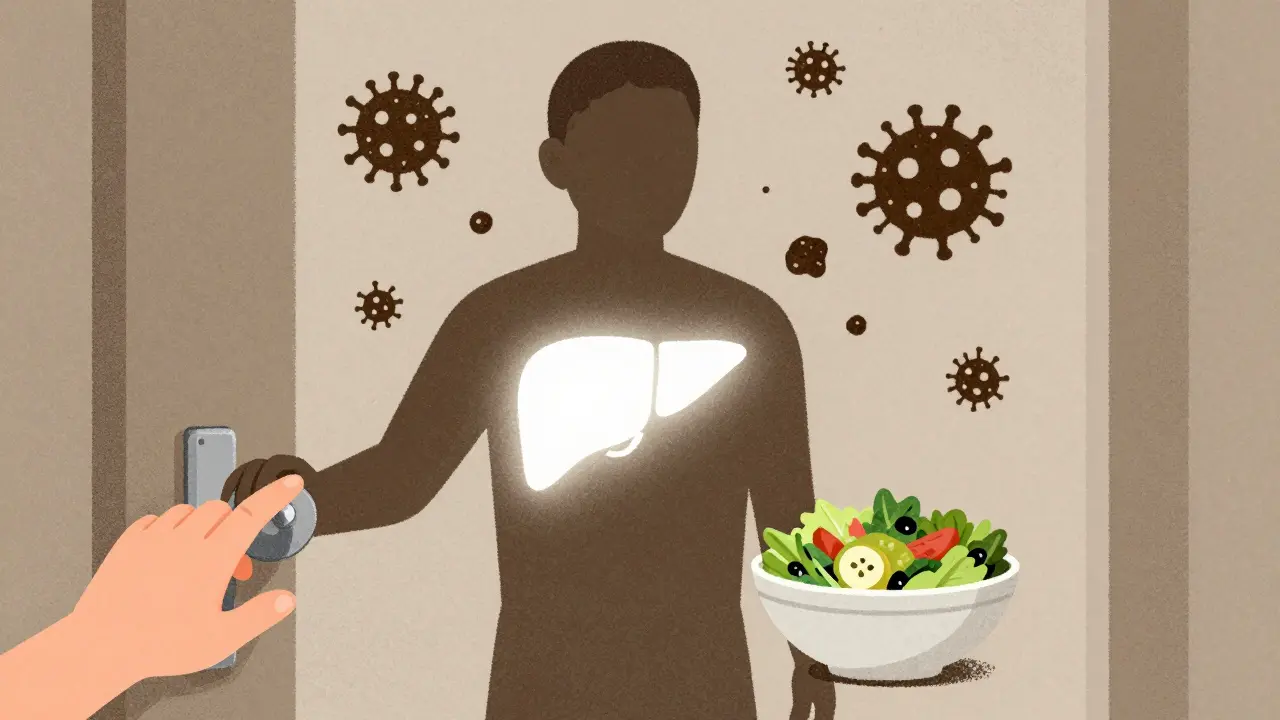
Most people who get hepatitis A don’t realize they’ve been infected until they feel awful - tired, nauseous, maybe with yellow eyes. And by then, it’s often too late to stop the spread. Hepatitis A isn’t just a mild stomach bug. It’s a viral infection that attacks the liver, and while it doesn’t stick around forever, it can knock you out for weeks or even months. The good news? You can almost always prevent it. And if you do get it, recovery is almost guaranteed - if you know what to expect.
How Hepatitis A Spreads - It’s Not What You Think
Hepatitis A doesn’t spread through blood or sneezes. It spreads through poop. Yes, really. The virus lives in the stool of an infected person and gets into your mouth when you touch something contaminated - a doorknob, a shopping cart, a salad - and then touch your face. It can also come from food or water handled by someone who hasn’t washed their hands after using the bathroom.
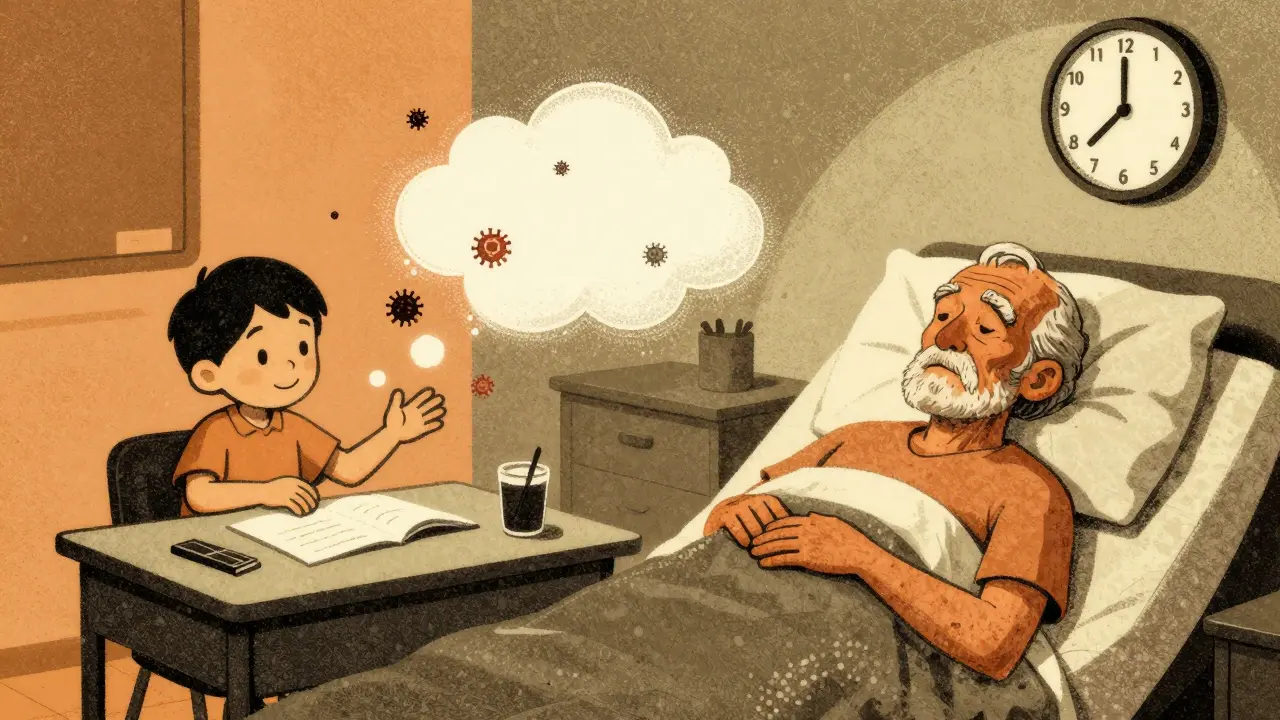
Unlike hepatitis B or C, hepatitis A doesn’t become chronic. It doesn’t linger in your liver for years. It hits hard, then leaves. But here’s the catch: you’re contagious before you even feel sick. The virus peaks in your stool about two weeks before jaundice shows up. That’s when you’re most likely to pass it on - and you might not even know you’re infected.
Children under six often show no symptoms at all. They might have a slight fever or feel off, but no yellow skin, no dark urine. That makes them silent spreaders. Adults, especially those over 50, are far more likely to get seriously ill. One in four adults with hepatitis A ends up in the hospital.
What Happens When You Get Infected
The journey from exposure to recovery follows a clear timeline. After you swallow the virus, it takes about 28 days on average for symptoms to show up - but that window can stretch from 15 to 50 days. This is called the incubation period. During that time, you’re quietly carrying the virus. Your liver starts to get inflamed, but you feel fine.
Then comes the prodromal phase: sudden fatigue, loss of appetite, nausea, fever, and abdominal pain. Dark urine and light-colored stools often appear. This stage lasts about a week. Then, jaundice hits - yellowing of the skin and eyes. That’s when most people finally go to the doctor. By this point, you’re still contagious, but less so. Most people stop shedding the virus in their stool about a week after jaundice appears.
According to the CDC, 85% to 90% of people recover fully within two months. But that doesn’t mean you bounce back overnight. Fatigue is the biggest problem. A survey of over 200 people on Reddit found that 82% said extreme tiredness was the worst part - lasting an average of six weeks. Some people get better, then crash again. Around 10% to 15% have symptoms that come and go for up to six months.
Laboratory tests show liver enzymes (ALT and AST) spike during infection. They usually return to normal within 12 weeks for 80% of people, and almost everyone’s levels normalize within six months. No permanent liver damage. No cirrhosis. No lifelong carrier state. That’s the big difference between hepatitis A and the other types.
How Long Until You’re No Longer Contagious?
If you’re infected, you need to know when it’s safe to return to work, school, or public spaces. The rule is simple: you’re no longer contagious one week after jaundice appears - or when your symptoms start to fade, whichever comes later.
For kids, schools often require a doctor’s note confirming symptoms have resolved. For adults, employers typically ask for the same. If you work in food service, healthcare, or childcare, you may need to wait longer. Some local health departments require lab tests to confirm you’re no longer shedding the virus.
Don’t assume you’re fine just because you feel better. The virus can still be in your stool for weeks after symptoms vanish. Wash your hands thoroughly - with soap and water, not just hand sanitizer - after every bathroom visit and before touching food.
How to Prevent Hepatitis A - The Only Real Solution
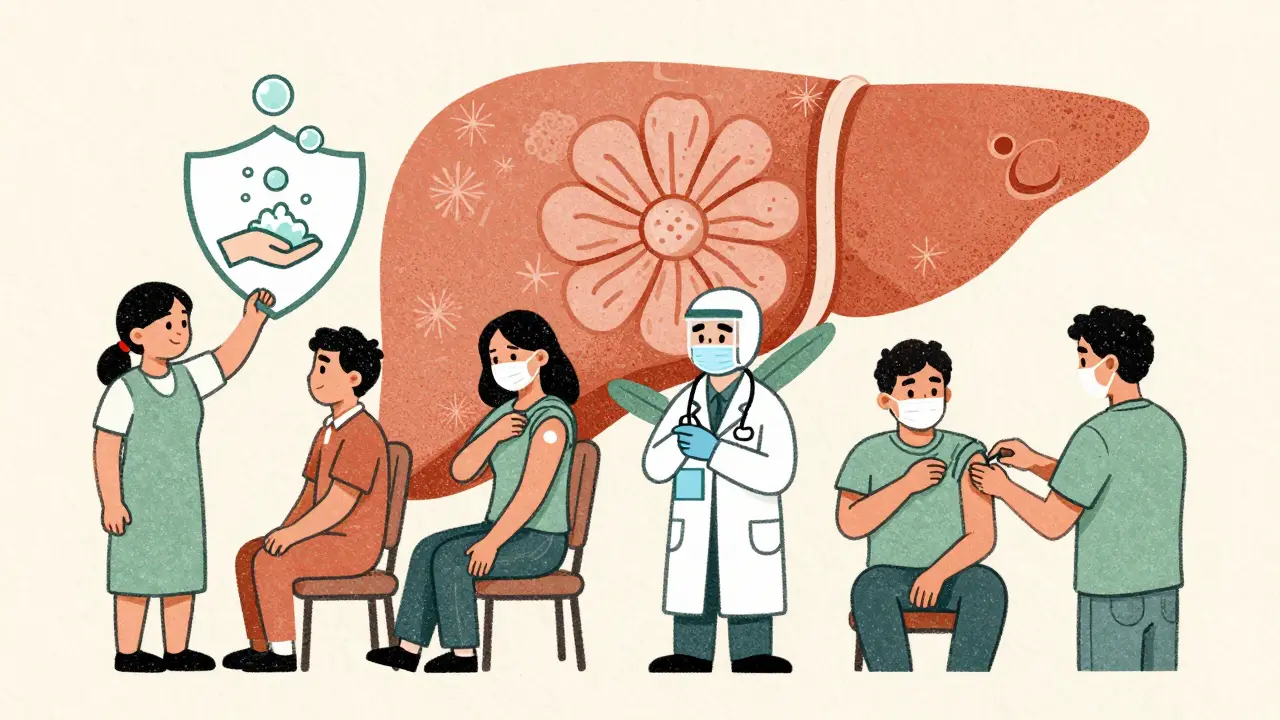
The best way to avoid hepatitis A is to get vaccinated. The hepatitis A vaccine is one of the most effective tools we have. Two doses, given 6 to 18 months apart, give you nearly 100% protection. After the first shot, you’re already 95% protected within four weeks. That’s why it’s recommended for all children at age one.
But vaccination isn’t just for kids. If you’re traveling to a country with poor sanitation - even if it’s a popular tourist spot - get the vaccine at least four weeks before you leave. If you work in food service, have a chronic liver condition, or use recreational drugs, you’re at higher risk. Get vaccinated.
What if you’ve already been exposed? If you haven’t been vaccinated and come into contact with someone who has hepatitis A, you can still prevent infection. A shot of the vaccine or immune globulin (a type of antibody) given within two weeks of exposure stops the virus in 85% to 90% of cases.
Handwashing is still critical. Soap and water reduce transmission by 30% to 50%. Clean surfaces with a bleach solution: 5 to 10 tablespoons per gallon of water. It kills the virus in two minutes. That’s important if someone in your home is sick. Don’t share towels, utensils, or toothbrushes.
Recovery: What to Do (and Not Do)
There’s no cure for hepatitis A. Your body clears it on its own. But you can help the process. Rest is key. Pushing yourself too hard can make symptoms worse and last longer. The American College of Gastroenterology recommends light activity - like a 30-minute walk - as tolerated. Increase slowly. Don’t go back to full intensity until your liver enzymes are back to normal.
Drink plenty of fluids. Dehydration from vomiting or poor appetite is the most common reason people end up in the hospital. Eat small, frequent meals. A low-fat diet helps because your liver is struggling to process fats. Aim for 1,800 to 2,200 calories a day during illness. Avoid alcohol completely. Even one drink can stress your liver and delay recovery.
Stay away from acetaminophen (Tylenol). Doses over 2,000 mg a day can harm your liver when it’s already under attack. Use ibuprofen sparingly. Always check with your doctor before taking any new medication.
Most people - 75% - don’t need anything beyond rest and fluids. The other 25% may need follow-up visits to monitor liver function. But almost everyone recovers completely. No long-term damage. No lifelong treatment.
Why Some People Get Sick and Others Don’t
Age is the biggest factor. Children under six rarely get jaundice. They might not even know they’re sick. Adults over 50 are far more likely to develop severe symptoms. The case-fatality rate jumps from 0.1% in kids to 2.6% in older adults. That’s why the CDC recommends vaccination for all adults over 50 who haven’t been vaccinated - especially if they have liver disease.
Underlying health matters too. If you already have hepatitis B, hepatitis C, or cirrhosis, getting hepatitis A can trigger acute liver failure. That’s rare - less than 1% of cases - but it’s deadly. Vaccination is non-negotiable for these people.
Outbreaks still happen. Between 2016 and 2019, cases in the U.S. jumped 350% because of outbreaks among homeless populations and people who use drugs. Since then, targeted vaccination efforts have cut cases by 40%. But the virus hasn’t disappeared. In 2022, 17 foodborne outbreaks sickened over 600 people - all linked to infected food workers.
What You Need to Know Right Now
- If you haven’t been vaccinated and you’re over 1 year old - get the hepatitis A vaccine. Two shots. That’s it.
- If you’re traveling overseas, get vaccinated at least four weeks before you leave.
- If you’re exposed to someone with hepatitis A, get the vaccine or immune globulin within two weeks.
- Wash your hands with soap and water after every bathroom visit and before eating or preparing food.
- Don’t assume you’re immune just because you’re young. Even if you feel fine, you can still spread the virus.
- Recovery takes time. Fatigue lasts weeks. Don’t rush back to work or exercise. Let your liver heal.
Hepatitis A is preventable. It’s treatable. And it almost always goes away. But you have to take action - before you get sick.
Can you get hepatitis A more than once?
No. Once you recover from hepatitis A, your body develops lifelong immunity. The virus doesn’t come back. That’s why vaccination works so well - it tricks your body into thinking it’s been infected, so you build the same long-term protection without ever getting sick.
Is the hepatitis A vaccine safe?
Yes. A CDC study of 45,000 vaccinated children found 99.8% had no serious side effects. The most common reaction is mild soreness at the injection site, lasting less than 48 hours. Serious allergic reactions are extremely rare - fewer than one in a million doses.
How long does it take to recover from hepatitis A?
Most people feel better within two months. But full recovery - including normal liver enzyme levels - can take up to six months. Fatigue often lingers longer than other symptoms. About 10% to 15% of adults have symptoms that come and go for up to six months.
Can you spread hepatitis A if you don’t have symptoms?
Yes. Children under six often show no symptoms but can still spread the virus. Adults can be contagious for up to two weeks before jaundice appears. That’s why handwashing and vaccination are so important - you can’t always tell who’s infected.
Do you need a blood test to confirm you’re no longer contagious?
Usually not. Most health departments say you’re no longer contagious one week after jaundice appears. But if you work in healthcare, food service, or childcare, your employer may require lab tests to confirm you’re not shedding the virus. Always follow local guidelines.


tia novialiswati
I got Hep A last year and honestly? Worst. Month. Ever. I thought it was just food poisoning until my eyes turned yellow 😅. Rest is NON-NEGOTIABLE. I tried to work from home and regretted it immediately. Your liver doesn’t care about your deadlines.
Also, hand sanitizer doesn’t kill it. Soap and water. Always. I learned the hard way.