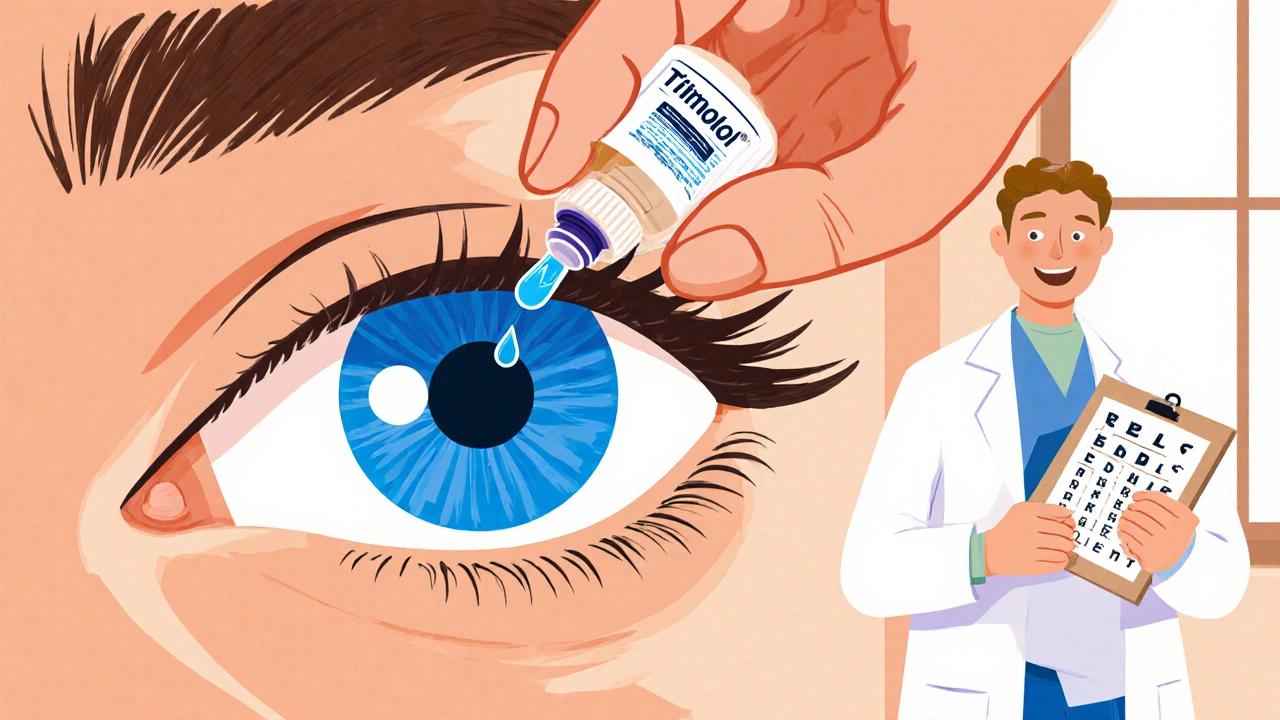
Eye Health: Essential Tips, Conditions and Treatments
When you think about eye health, the overall condition and performance of your eyes. Also known as visual wellness, it matters for daily tasks, safety and overall quality of life. Good eye health isn’t a luxury; it’s a baseline that lets you read, drive, work on a screen and enjoy the world around you. Maintaining it requires a mix of habits, check‑ups and timely treatment when problems arise.
Two of the most common threats are cataract, a clouding of the eye lens that blurs vision and glaucoma, a group of eye diseases that damage the optic nerve, often linked to high pressure inside the eye. Cataracts develop slowly, usually in older adults, and can be cleared with a simple surgery. Glaucoma, on the other hand, often sneaks up without obvious symptoms, making regular pressure checks vital. Another frequent complaint is dry eye, insufficient tear production or poor tear quality that leads to irritation. Dry eye can be triggered by screen time, windy environments, or certain medications, and it’s usually managed with eye drops, lifestyle tweaks, or prescription treatments.
Infections add another layer of risk. When bacteria invade the ocular surface, they can cause conjunctivitis or more serious keratitis. Ophthalmic antibiotics like Ciloxan are formulated to tackle these bugs directly on the eye. Choosing the right drop matters: spectrum, dosing frequency and side‑effects differ between products. If you’ve ever wondered how to decide between a fluoroquinolone eye drop and a macrolide alternative, the key is matching the drug’s coverage to the suspected organism and the severity of the infection.
Protection starts long before any problem shows up. Ultraviolet (UV) rays can accelerate cataract formation and harm the retina, so wearing sunglasses with 100% UV protection is a cheap, effective habit. Nutrition also plays a role; omega‑3 fatty acids, lutein and zeaxanthin found in leafy greens support the retinal cells that mediate sharp, color‑rich vision. Regular eye exams let professionals spot early signs of disease—such as subtle optic nerve cupping in glaucoma—before they affect your daily life.
Common Concerns and How to Address Them
People often ask whether screen time damages eye health. The answer is nuanced: prolonged focus can reduce blink rate, leading to dry eye, and prolonged near work can strain the ciliary muscles responsible for focusing. Simple breaks—following the 20‑20‑20 rule (every 20 minutes, look at something 20 feet away for 20 seconds)—help keep the ocular surface moist and the focus system relaxed. If you notice persistent redness, pain, or sudden visual changes, treat them as red flags and seek professional care right away.
Another frequent topic is whether over‑the‑counter (OTC) drops are enough for chronic dryness. OTC lubricants can relieve mild symptoms, but for moderate to severe dry eye, prescription options like cyclosporine or lifitegrast target the underlying inflammation. Your eye doctor can run tests such as tear film breakup time to decide which route fits best.
Finally, many wonder how age‑related changes differ from disease. While aging naturally reduces lens elasticity (making reading harder) and may cause mild cataract formation, disease‑driven changes like diabetic retinopathy or macular degeneration involve damage to the retinal blood vessels or central vision area. Early detection through dilated exams and imaging can preserve sight, underscoring why routine check‑ups are non‑negotiable.
Below you’ll find a curated list of articles that dive deeper into each of these topics—ranging from medication comparisons to lifestyle strategies—so you can take informed steps toward stronger, clearer vision.
Regular eye exams are vital for anyone using Timolol to manage glaucoma. Learn why exams matter, what tests are done, how often you should go, and how to spot side effects early.