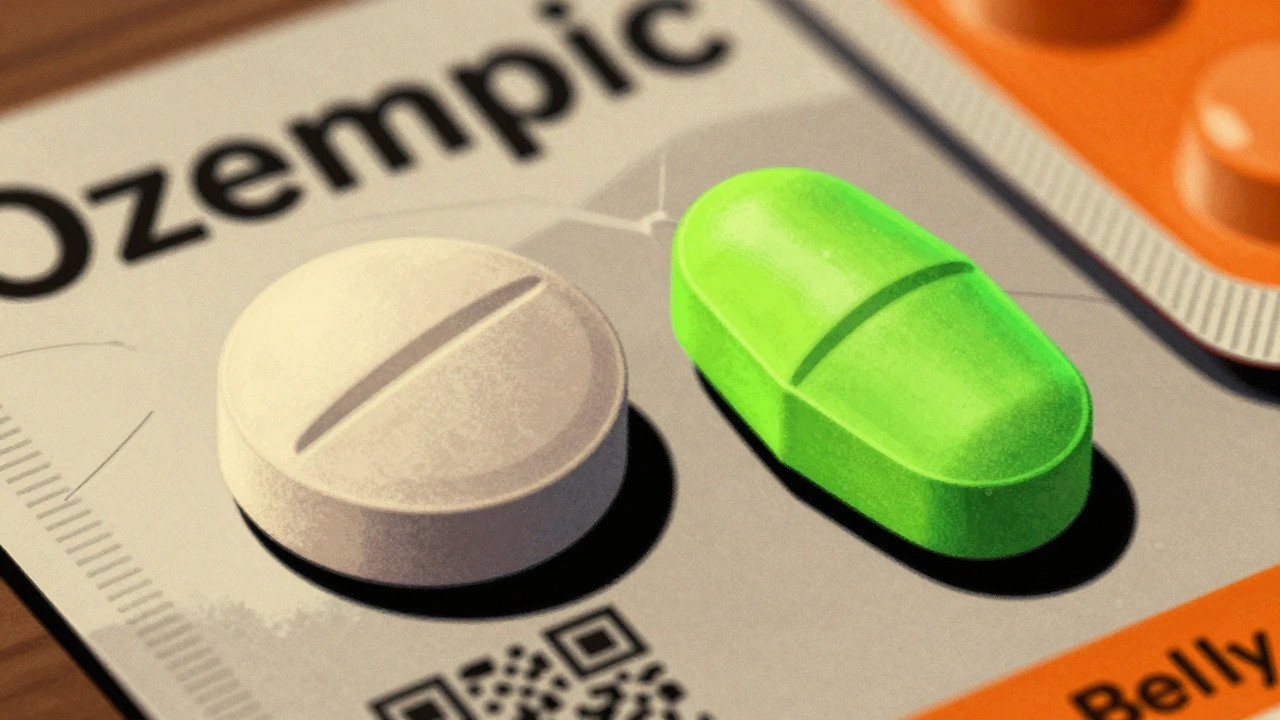
Fake Medications: How to Spot Counterfeits and Stay Safe
When you pick up a prescription, you expect it to work—safe, effective, and exactly what your doctor ordered. But fake medications, pharmaceutical products that are deliberately mislabeled, adulterated, or entirely made-up. Also known as counterfeit drugs, they can contain no active ingredient, too much of one, or even toxic substances like rat poison or floor cleaner. These aren’t just rare scams—they’re a global crisis. The WHO estimates that 1 in 10 medical products in low- and middle-income countries are fake, and even in the U.S., online pharmacies and shady distributors slip dangerous pills into the supply chain every day.
Fake medications don’t just fail to treat your condition—they can kill you. A pill sold as oxycodone might have fentanyl instead, leading to overdose. A fake antibiotic might not kill the infection, letting it spread. And if you’re taking blood thinners, heart meds, or insulin, a counterfeit version could cause a stroke, heart attack, or diabetic coma. Counterfeit drugs, products designed to look real but contain harmful or ineffective ingredients often mimic brand names like Viagra, Xanax, or Metformin, but they’re made in unregulated labs with no quality control. Even the packaging can look perfect—until you check the batch number, compare the font, or notice the pill color is slightly off.
How do you avoid them? First, never buy pills from websites that don’t require a prescription. If it’s too cheap, it’s likely fake. Check your pharmacy’s license online through your state board of pharmacy. Look for tampered seals, misspelled labels, or pills that smell strange. Medication safety, the practice of ensuring drugs are correctly prescribed, dispensed, and taken without harm starts with knowing your meds. Keep your original packaging. Compare your new pills to the last batch. If they look different, ask your pharmacist—not Google. And if you suspect something’s wrong, report it to the FDA’s MedWatch program.
You’re not alone in this. Thousands of people have been poisoned by fake pills sold as painkillers, anxiety meds, or weight-loss supplements. The rise of social media ads and encrypted messaging apps has made it easier than ever for criminals to target people looking for cheaper options. But you can fight back. Know your meds. Trust your pharmacist. Question anything that seems off. The next time you pick up a prescription, take a second to look at it—not just the label, but the pill itself. That small habit could save your life.
Below, you’ll find real stories, practical checks, and expert advice on how to protect yourself from fake medications. From understanding pharmacy labeling to spotting dangerous lookalikes, these posts give you the tools to stay safe without needing a medical degree.
Counterfeit generics are fake versions of affordable medications that can be deadly. Learn how to spot them, where to buy safely, and what to do if you’ve been sold a fake pill.