
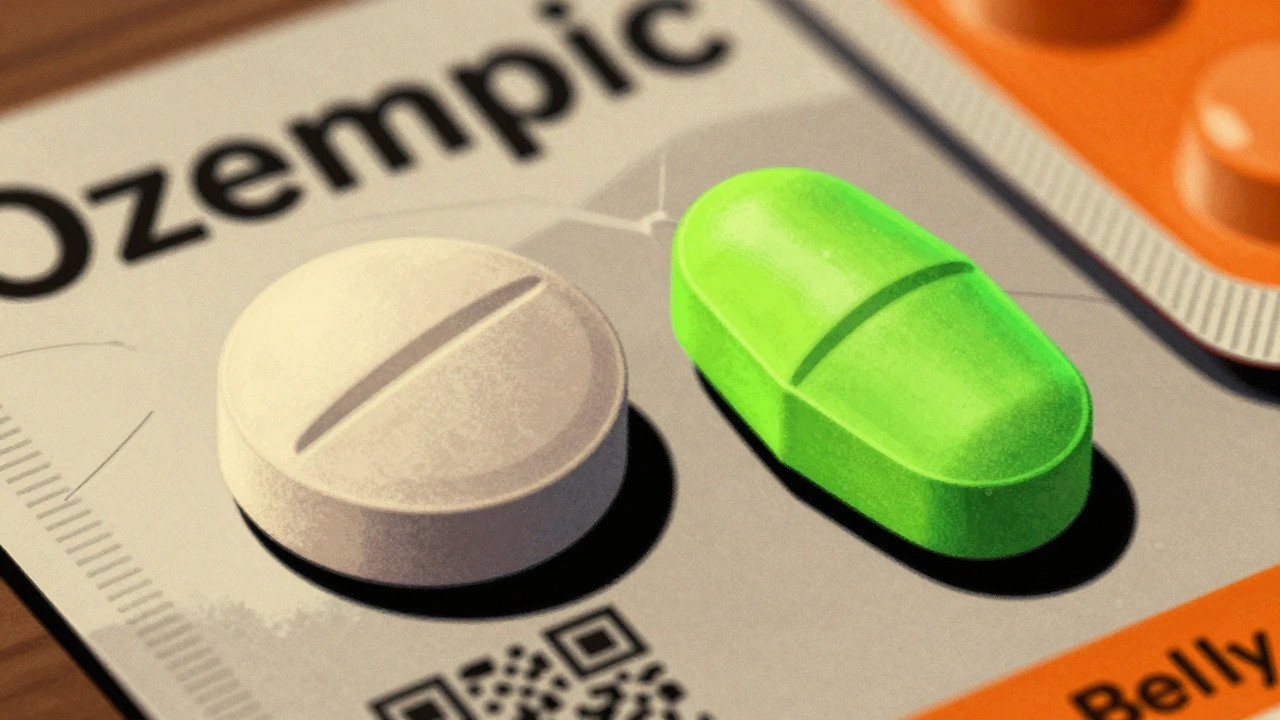
Every year, millions of people buy generic medications to save money. They assume the pill in the bottle is just as safe and effective as the brand-name version. But what if it’s not even real? Counterfeit generics are flooding global markets, and they’re more dangerous than most people realize. These fake pills don’t just fail to work-they can poison you, trigger organ damage, or make infections worse. And they’re easier to find than you think.
What Exactly Are Counterfeit Generics?
Counterfeit generics look like real generic drugs. They copy the color, shape, and packaging of medications like metformin, sildenafil, or semaglutide (Ozempic). But inside? They’re a gamble. Some contain no active ingredient at all. Others have too little-maybe 10% of what’s needed. Worse, some are laced with rat poison, battery acid, or industrial chemicals. These aren’t mistakes. They’re deliberate frauds, made by criminal networks that profit from desperation. Unlike real generics, which must pass strict tests to prove they work the same as the original drug, counterfeit versions skip every safety step. They’re made in unlicensed labs, often in Asia, then shipped through fake websites, social media ads, or even unregistered online pharmacies. The FDA intercepted over 2,400 shipments of semaglutide and tirzepatide between September 2023 and January 2025. Nearly 200 of them were allowed into the U.S. despite being illegal. That’s not a glitch. It’s a system failure.Who’s at Risk-and Why It’s Getting Worse
You might think this only happens in poor countries. It doesn’t. In the U.S., a pharmacy in Iowa was fined $25,000 in August 2025 for selling fake Ozempic. In South Africa, police seized R2.2 million worth of counterfeit drugs in Gqeberha that same month. In Nigeria, people got liver damage from fake malaria pills. Even in the UK and Canada, people are ordering pills from websites that look real but have no physical address. The pandemic made things worse. When demand for antivirals and weight-loss drugs spiked, criminals saw a chance. They used AI to generate fake labels, replicate QR codes, and mimic official websites. Now, 50% of online pharmacies that hide their street address sell fake medicine. And 89% of them don’t even ask for a prescription. High-risk drugs? Antibiotics, painkillers, erectile dysfunction pills, insulin, and weight-loss medications like Ozempic and Wegovy. These are the most counterfeited. Why? Because they’re expensive, in high demand, and people are willing to risk buying them without a prescription.How to Spot a Fake Pill-Even If It Looks Perfect
The best counterfeits look identical to the real thing. But there are clues-if you know where to look.- Check the packaging. Look for misspelled words, blurry logos, or mismatched fonts. Real manufacturers don’t make those mistakes.
- Verify the NDC number. Every U.S. drug has a National Drug Code. Type it into the FDA’s NDC Directory. If it doesn’t show up, it’s fake.
- Look at the pill itself. Real generics have consistent color, texture, and imprint. Fake ones might be too shiny, too dull, or have uneven edges. If the tablet crumbles easily, that’s a red flag.
- Check the expiration date. Fake drugs often have dates that are too far in the future-or already passed.
- Don’t buy from websites without a physical address. If you can’t find the pharmacy’s street location, walk away.
Where to Buy Safely
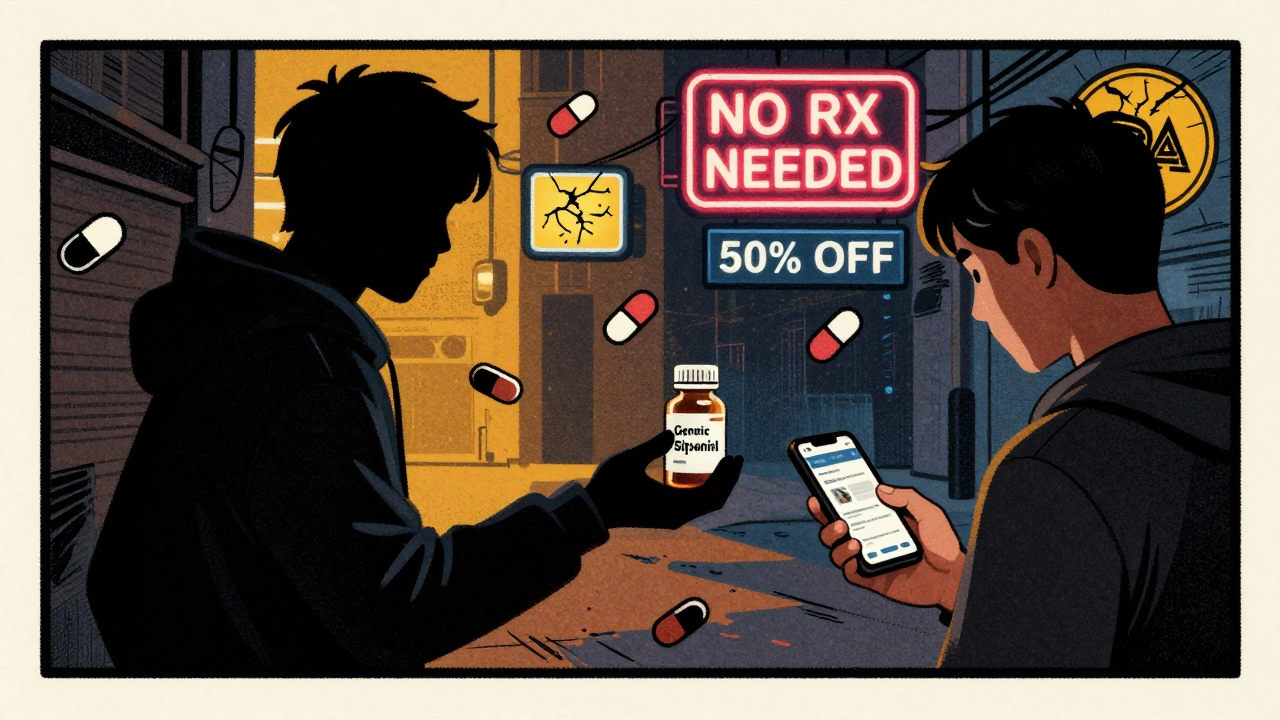
The safest place to get any medication? A licensed pharmacy. In the U.S., look for the VIPPS seal (Verified Internet Pharmacy Practice Sites). That means the pharmacy is state-licensed and follows federal rules. In the UK, only buy from pharmacies registered with the General Pharmaceutical Council (GPhC). You can check their website to confirm. Avoid pharmacies that:- Send unsolicited emails or texts offering discounts
- Claim to sell prescription drugs without a prescription
- Use only a PO box or vague address
- Have no phone number you can call
What to Do If You Think You’ve Been Sold a Fake
If your medication doesn’t work-or if you feel sick after taking it-stop using it immediately.- Save the packaging and pills. Don’t throw them away.
- Report it to your local health authority. In the U.S., file a report with the FDA’s MedWatch program.
- Contact the manufacturer. Pfizer, Novo Nordisk, and other companies have hotlines to report counterfeits.
- Call your doctor. They need to know what you took, especially if you’re on insulin, blood thinners, or antidepressants.
Technology Is Helping-But It’s Not Enough
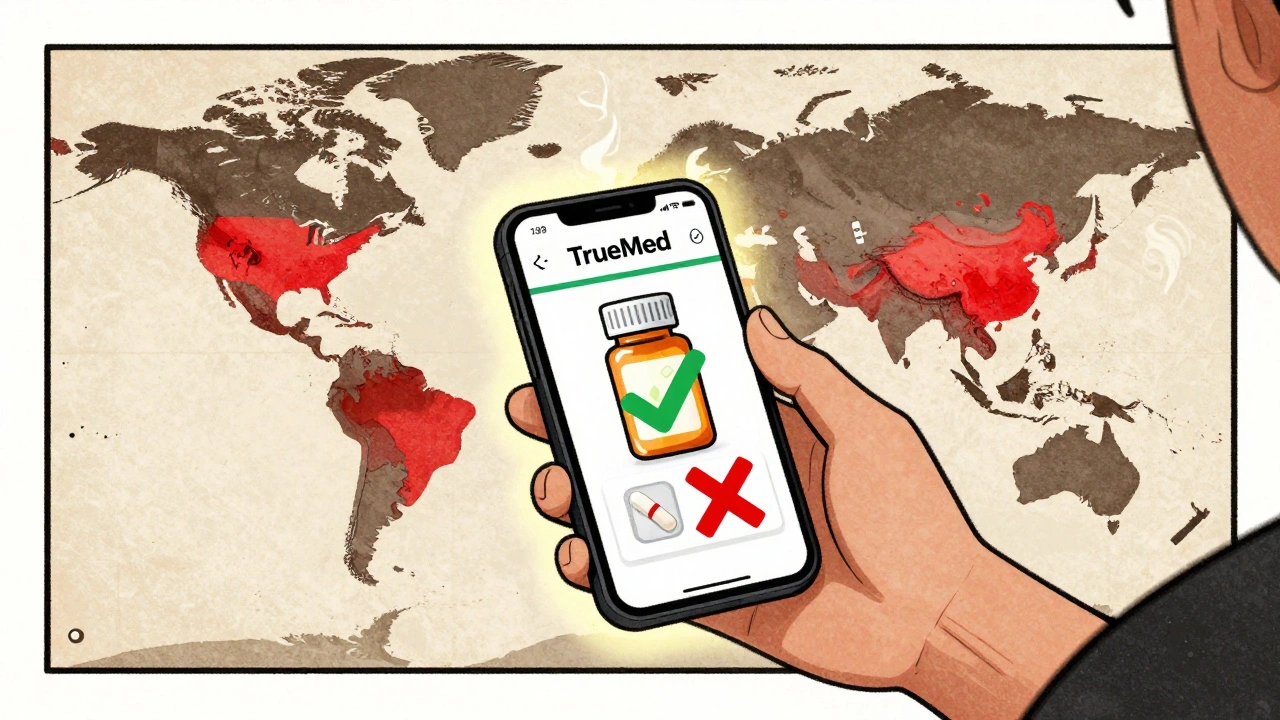
Some new tools are making a difference. Blockchain systems track drugs from factory to pharmacy. Portable spectrometers can scan a pill and tell you if it contains the right chemicals. Apps like TrueMed let you scan barcodes and get instant verification. The TrueMed app has 4.7 stars on Google Play, with users praising its accuracy for checking erectile dysfunction meds. But these tools aren’t available everywhere. In low-income countries, only 32% of pharmacies can use them. Criminals are adapting too. They’re now using AI to copy security features, including holograms and tamper-proof seals. What worked last year might not work today.The Bigger Picture: Why This Matters Beyond Your Pill Bottle
Counterfeit drugs aren’t just a personal risk. They’re a public health crisis. Substandard antibiotics are fueling antimicrobial resistance. The Review on Antimicrobial Resistance warns that ineffective treatments could cause 10 million deaths a year by 2050. Fake insulin can trigger diabetic ketoacidosis. Fake cancer drugs? They don’t just fail-they give false hope while the disease spreads. The global trade in fake medicine is worth $200 billion a year. That’s more than the GDP of many countries. And it’s funding organized crime, human trafficking, and even terrorism. Protecting yourself isn’t just about avoiding a bad pill. It’s about stopping a system that profits from suffering.Final Checklist: 5 Steps to Stay Safe
- Buy only from licensed pharmacies. Check their registration status online.
- Verify the NDC number. Use the FDA’s free database.
- Use manufacturer verification tools. Especially for Ozempic, Botox, or erectile dysfunction drugs.
- Inspect the pill and packaging. Look for inconsistencies-even small ones.
- Report anything suspicious. Don’t assume someone else will.
How common are counterfeit generics?
According to the World Health Organization, at least 1 in 10 medicines in low- and middle-income countries are fake or substandard. In some African regions, that number rises to 70%. Even in high-income countries like the U.S. and U.K., counterfeit drugs are rising fast-especially for weight-loss and erectile dysfunction medications. In 2024, over 6,400 incidents of pharmaceutical counterfeiting were reported worldwide.
Can I tell if a pill is fake just by looking at it?
Sometimes-but not always. Many counterfeit pills are made with high-quality printing and packaging. The best way to know is to check the National Drug Code (NDC) in the FDA’s database, verify the manufacturer’s authentication system (like Novo Nordisk’s ‘Verify Your Pen’), and compare the pill’s appearance to official images on the manufacturer’s website. If it doesn’t match, it’s not real.
Are online pharmacies ever safe?
Only if they’re verified. Look for the VIPPS seal in the U.S. or the GPhC logo in the UK. Avoid any site that sells prescription drugs without a prescription, doesn’t list a physical address, or sends unsolicited offers. If the price seems too good to be true, it is. Legitimate online pharmacies charge close to what local pharmacies do-sometimes a little less, but never half the price.
What happens if I take a counterfeit medication?
It depends on what’s inside. Some fake pills contain no active ingredient, so your condition won’t improve. Others contain toxic substances like lead, mercury, or industrial solvents. There have been cases of liver failure from fake malaria drugs, heart attacks from fake erectile dysfunction pills, and diabetic comas from fake insulin. Even if you feel fine, the long-term damage can be irreversible.
Is there a way to test my medication at home?
There’s no reliable home test. Portable spectrometers exist but cost thousands of dollars and require training. The best you can do is verify the packaging, check the NDC, and use manufacturer tools. If you suspect a fake, don’t risk taking it-report it and get a new prescription from a licensed pharmacy.
Why are generics targeted more than brand-name drugs?
Because they’re cheaper and more widely used. Criminals know people choose generics to save money-and they exploit that. Fake generics are easier to pass off as real because there’s less public awareness about what they should look like. Brand-name drugs have stronger security features and more visible anti-counterfeiting campaigns. Generics? Not so much. That makes them the perfect target.



David Brooks
This is terrifying. I had no idea fake Ozempic was this widespread. My cousin bought some off Instagram last year-said it made her dizzy and her stomach felt like it was eating itself. She didn’t report it because she was too embarrassed. We’re lucky she didn’t end up in the hospital. People need to wake up. This isn’t just about money-it’s about survival.
And don’t even get me started on how easy it is to fake a QR code now. AI can replicate anything. If you’re buying anything that changes your life, verify it like your life depends on it-because it does.