
Cranberry Medication Interaction Checker
Check Your Medication Risk
This tool uses current medical research to assess potential interactions between cranberry products and your medications. Results are based on the latest clinical evidence.
Risk Assessment
For decades, cranberry juice has been a go-to remedy for preventing urinary tract infections. But if you’re on medication, especially blood thinners like warfarin, you’ve probably heard warnings: cranberry juice might be dangerous. So is it a myth? Or is there real risk? The truth isn’t black and white - and most of what people believe is either outdated or exaggerated.
Why the Confusion Exists
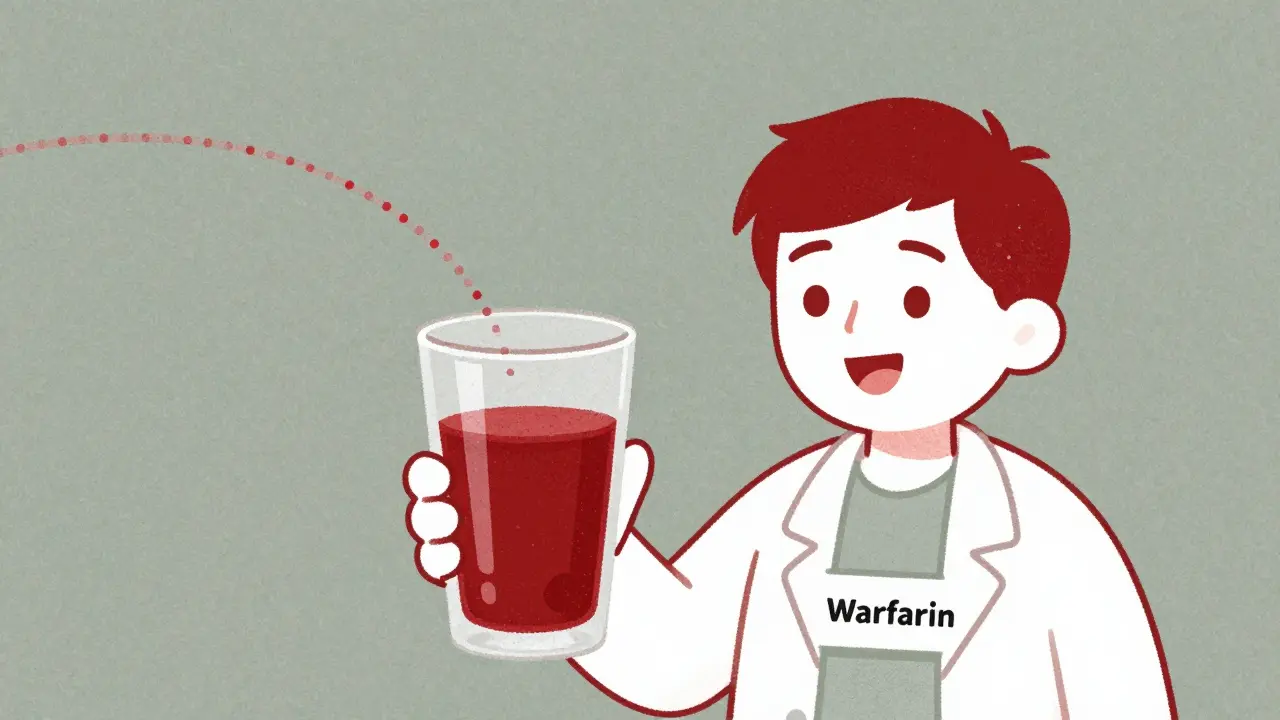
The scare started in 2003, when a single case report suggested cranberry juice might boost the effect of warfarin, a blood thinner. That one story sparked headlines, pharmacy warnings, and years of fear. But science doesn’t run on single cases - it runs on repeated, controlled studies. Since then, over a dozen clinical trials have looked at this interaction. And here’s what they found: most of the time, cranberry juice doesn’t do anything significant to medications.The Warfarin Question: Real Risk or Overblown?
Warfarin is the only medication where there’s even a whisper of a real interaction. It’s a narrow-therapeutic-index drug, meaning small changes in blood levels can lead to serious bleeding or clotting. That’s why any potential interaction gets extra attention. Some case reports show people on warfarin with spikes in their INR (a measure of blood clotting time) after drinking cranberry juice. But here’s the catch: those are anecdotes. Controlled studies? Not so much. A 2009 study published in Antimicrobial Agents and Chemotherapy gave 12 healthy adults 250 mL of cranberry juice three times a day for two weeks - that’s nearly a liter daily. Their INR levels? No change. Another study in 2010 looked at 11 case reports and 4 clinical trials. Eight of the case reports claimed an interaction, but none of the controlled trials showed any effect. So why do some people still report problems? Two likely reasons: First, many of those reports involve cranberry supplements, not juice. Supplements can be 10 to 20 times more concentrated than juice. Second, people often change other habits at the same time - diet, alcohol, new meds - and blame cranberry juice when it’s something else.What About Other Medications?
Here’s where most of the fear falls apart. Antibiotics like amoxicillin and cefaclor? A 2009 study tested exactly this. Healthy women took these antibiotics with or without 8-12 oz of cranberry juice. The results? No meaningful change in how the drugs were absorbed or processed. The same goes for common antibiotics used for UTIs - the ones people often take while drinking cranberry juice. Statins, blood pressure meds, antidepressants? No proven interactions. Even though cranberry juice can inhibit certain liver enzymes (CYP3A4, CYP2C9) in test tubes, your body doesn’t process it the same way. The concentration you get from drinking juice is too low to matter. Alprazolam (Xanax)? Theoretically, yes - it’s metabolized by CYP3A4. But no human study has ever shown an actual interaction. The same goes for most other drugs metabolized by those enzymes. Grapefruit juice? That’s different. Grapefruit has well-documented, dangerous interactions with over 85 medications. It blocks enzymes in your gut that break down drugs, leading to toxic buildup. Cranberry doesn’t do that. Not even close.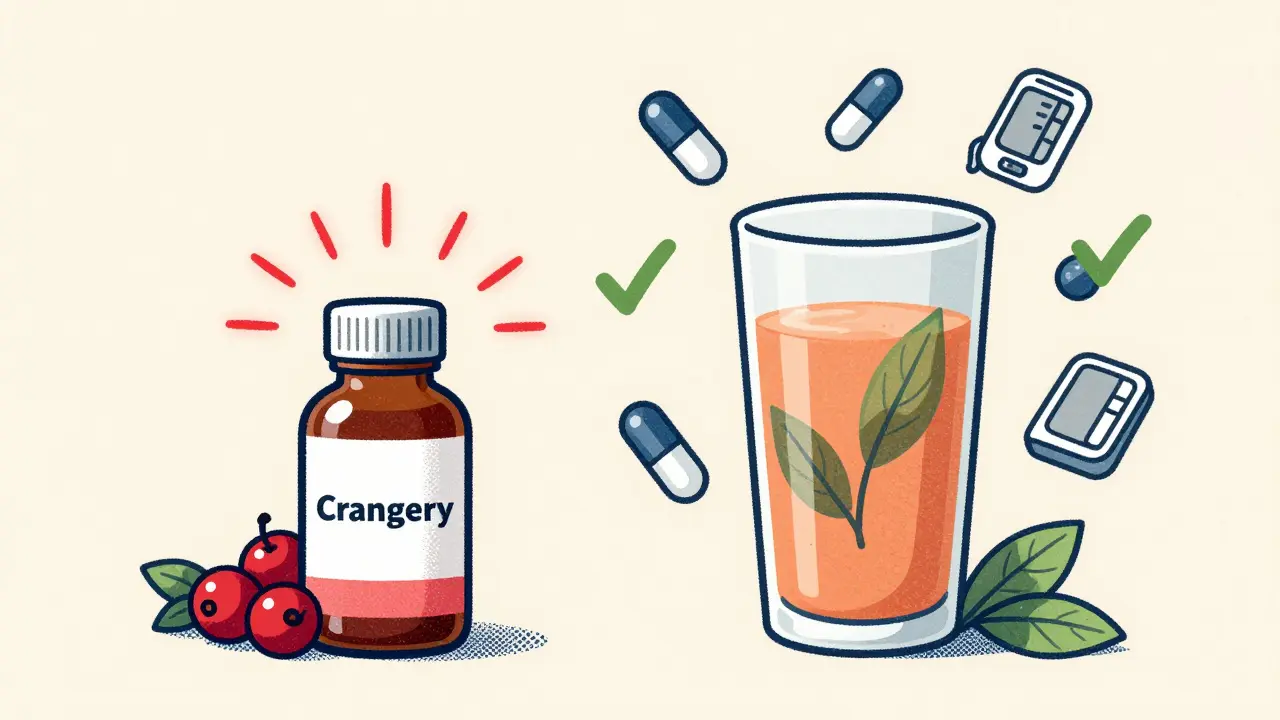
What About Cranberry Supplements?
This is where things get tricky. Juice is mostly water - about 27% cranberry content, with sugar and additives. Supplements? They’re concentrated. Some contain 36 mg or more of proanthocyanidins per serving - the compound thought to cause enzyme inhibition. And that’s where the theoretical risk increases. The European Medicines Agency flags cranberry supplements as having potential for clinically relevant interactions. The U.S. FDA doesn’t require warnings, but that’s because the evidence isn’t strong enough to mandate them - not because there’s no risk. If you’re taking warfarin, avoid concentrated cranberry supplements. Period. For other meds? It’s low risk, but not zero. If you’re on multiple medications or have liver or kidney issues, talk to your pharmacist before starting any supplement.What Should You Do?
Here’s a simple, practical guide:- If you’re on warfarin: Avoid cranberry supplements. Drink no more than one 8 oz glass of standard cranberry juice per day - and keep it consistent. Don’t suddenly start or stop. Get your INR checked more often if you change your intake.
- If you’re on antibiotics for a UTI: Go ahead and drink cranberry juice. It won’t interfere. In fact, it might help.
- If you’re on other medications (statins, blood pressure pills, antidepressants): Cranberry juice is safe. Supplements? Use caution, but no need to panic. Talk to your pharmacist if you’re unsure.
- If you’re on direct oral anticoagulants like apixaban or rivaroxaban: Current data shows no interaction. But research is still ongoing - stick to juice, not supplements.
Why Do Pharmacists Give Mixed Advice?
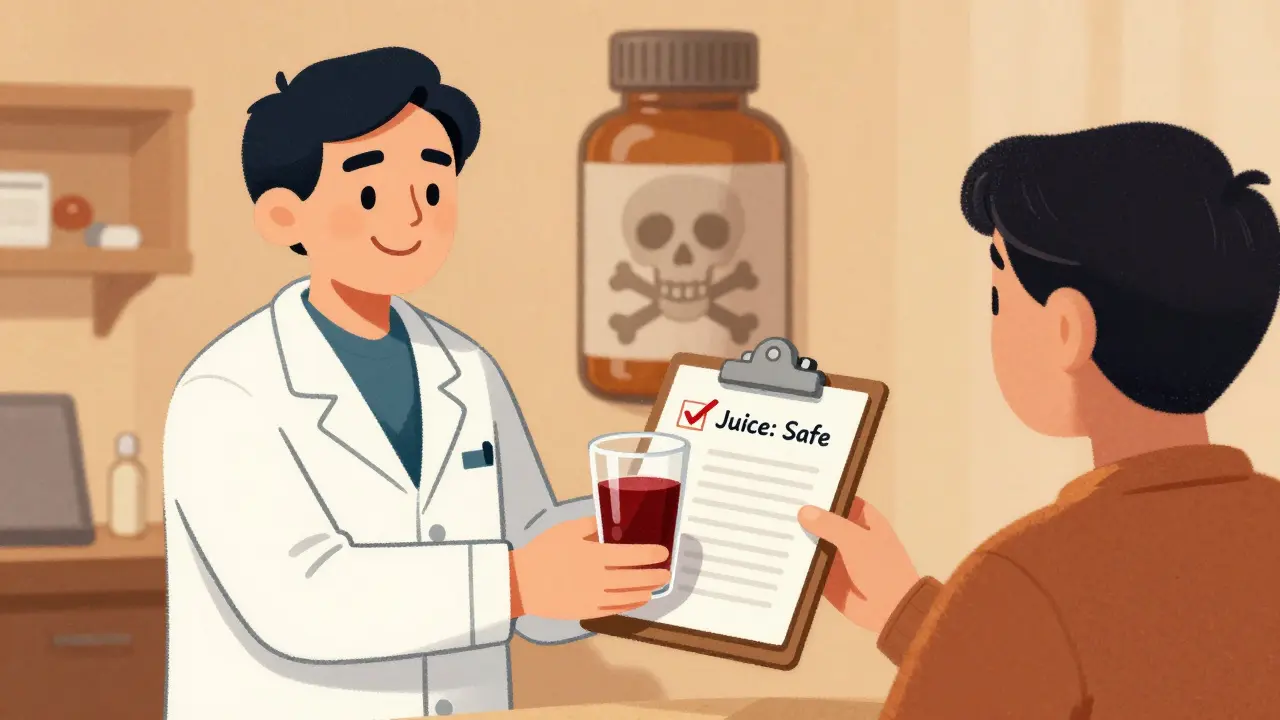
Because they’re caught between two realities. On one hand, the science says: “No major risk for most people.” On the other, they’ve seen patients with unexplained INR spikes after starting cranberry products. And when you’re dealing with bleeding risks, it’s better to be cautious. A 2022 Reddit thread with 147 pharmacy professionals showed 78% advised patients to avoid cranberry juice with warfarin - even though only 22% said the evidence was strong. That’s not because they’re wrong - it’s because they’re protecting patients from worst-case scenarios.The Bigger Picture: Don’t Let Fear Stop You
About 22% of American women between 30 and 60 use cranberry products to prevent UTIs. And for good reason: research shows it reduces recurrence by about 35% in people with frequent infections. If you’re one of them, and you’re on medication, don’t give up cranberry juice because of fear. But do be smart.- Stick to juice, not pills.
- Check the label - if it says “100% juice,” it’s safer than “cocktail” or “blend.”
- Don’t drink 32 oz a day. One glass is plenty.
- If you’re on warfarin, tell your doctor you’re drinking it - and get your INR checked regularly.
What’s Next?
A 2023 clinical trial (NCT05218847) is now studying cranberry extract’s effect on newer anticoagulants like apixaban. Results should be out by late 2026. Until then, the best advice remains: juice is fine. Supplements? Proceed with caution. The bottom line? Cranberry juice isn’t a drug killer. It’s a mild fruit drink with a good track record for preventing UTIs. The real danger isn’t the juice - it’s the misinformation that makes people afraid to use something that actually helps them.Can cranberry juice interfere with warfarin?
Cranberry juice can theoretically interact with warfarin, but most clinical studies show no significant effect on INR levels. However, concentrated cranberry supplements may pose a higher risk. If you’re on warfarin, stick to one 8 oz glass of standard cranberry juice per day, avoid supplements, and maintain consistent intake. Always monitor your INR and talk to your doctor before making changes.
Is it safe to drink cranberry juice while taking antibiotics?
Yes, it’s safe. A 2009 clinical study found no meaningful interaction between cranberry juice and common antibiotics like amoxicillin or cefaclor. In fact, many people take cranberry juice while on antibiotics to help prevent recurrent UTIs - and there’s no evidence it reduces antibiotic effectiveness.
Do cranberry supplements have more interaction risks than juice?
Yes. Supplements are concentrated and may contain 36 mg or more of proanthocyanidins per serving - far more than what’s in a glass of juice. While juice poses minimal risk, supplements may increase the theoretical risk of interaction, especially with warfarin. Avoid them if you’re on blood thinners or have liver conditions unless cleared by a pharmacist.
Is cranberry juice like grapefruit juice when it comes to drug interactions?
No. Grapefruit juice blocks enzymes in your gut that break down over 85 medications, leading to dangerous drug buildup. Cranberry juice doesn’t do this. Its effects are much weaker and only show up in test tubes at very high concentrations - not in real-world drinking amounts.
Should I stop cranberry juice if I’m on statins or blood pressure meds?
No. There’s no clinical evidence that cranberry juice affects statins, ACE inhibitors, beta-blockers, or other common blood pressure medications. You can safely drink one glass a day. The same applies to antidepressants and most other daily prescriptions.
What’s the safest way to drink cranberry juice with medications?
Choose 100% cranberry juice (not cocktail) and limit yourself to 8 oz per day. Avoid supplements unless approved by your pharmacist. If you’re on warfarin, keep your intake consistent - don’t suddenly drink more or less. Always inform your healthcare provider about any dietary changes, even if they seem harmless.


Gregory Clayton
Bro, I’ve been chugging cranberry juice since I was 12 and I’m still standing. All this ‘risk’ crap is just Big Pharma trying to scare people off natural stuff so they can sell more pills. Wake up, sheeple.