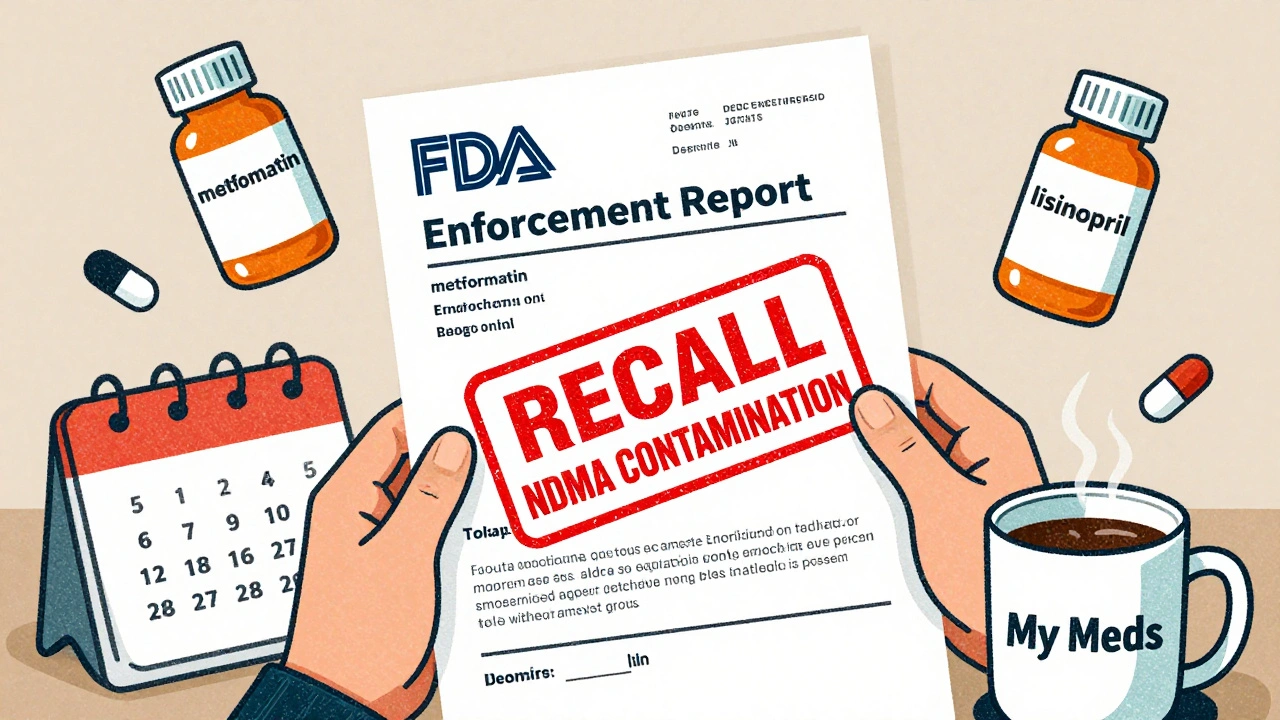
FDA Drug Safety Alerts: What You Need to Know About Risky Medications
When the FDA drug safety alerts, official warnings issued by the U.S. Food and Drug Administration to warn the public about dangerous or misleading medications. Also known as medication safety alerts, these notices are the last line of defense when a drug poses serious harm—whether from side effects, contamination, or outright fraud. These aren’t just bureaucratic notices. They’re life-or-death signals that tell you when your pill might be fake, when your blood thinner could bleed you out, or when a once-safe medicine suddenly turns dangerous.
FDA drug safety alerts often connect to other critical issues you might not realize are linked. For example, counterfeit generics, fake versions of affordable drugs like Ozempic or antibiotics that are sold online or in unregulated pharmacies are a growing threat, and the FDA regularly issues alerts about them. These fakes don’t just fail to work—they can poison you. Then there’s black box warnings, the strongest warning the FDA can put on a prescription label, signaling life-threatening risks like liver failure or suicidal thoughts. You’ve probably seen them on bottles but never read them. That’s dangerous. And when drug shortages, when hospitals run out of critical meds like morphine, insulin, or chemotherapy drugs happen, the FDA tracks those too—because running out of a medicine can be just as deadly as taking a bad one.
These alerts don’t just come from labs and hearings. They come from real people—seniors who fell after taking a blood thinner, kids who swallowed grandma’s pills, patients who got a pill that looked totally different but was labeled the same. The FDA doesn’t act on rumors. They act when evidence piles up: hundreds of poison control calls, lab tests showing fake ingredients, or deaths tied to a specific batch. And they don’t just say "be careful." They tell you exactly what to do: stop taking it, check your bottle’s color and shape, call your pharmacist, or report it online.
What you’ll find below isn’t a list of scary headlines. It’s a practical guide to understanding what these alerts really mean for you. You’ll learn how to spot fake pills, why your generic pill changed color (and why that’s normal), how to read those tiny warning stickers on your bottle, and what to do when your medicine suddenly disappears from the shelf. These aren’t theoretical concerns—they’re daily realities for millions. And if you’re managing medications for yourself, a parent, or an elderly relative, this is the information that keeps you safe.
Learn how to subscribe to FDA drug safety alerts for recalls, side effects, and medication updates. Free, fast, and essential for patients and providers. Get email alerts for your medications before it's too late.