Opioid Nausea: Causes, Relief, and What Your Pharmacist Wants You to Know
When you take opioid, a class of pain medications that include oxycodone, hydrocodone, and morphine, often prescribed for moderate to severe pain. Also known as narcotics, these drugs bind to receptors in your brain and gut, which is why they work so well for pain—but also why they often make you feel sick. Opioid nausea isn’t just an annoyance; it’s one of the top reasons people stop taking their pain meds, even when they still need them.
This nausea isn’t random. It happens because opioids directly affect the part of your brain that controls vomiting, called the chemoreceptor trigger zone. They also slow down your digestive system, which can cause bloating, gas, and a feeling that your stomach is stuck. Some people get dizzy or sweaty with it too. And here’s the catch: the nausea often gets worse when you first start the drug, but doesn’t always go away—even after weeks. That’s why many patients need help beyond just "powering through it." prochlorperazine, an antiemetic drug sold as Compazine, commonly used to treat nausea caused by opioids and other medications is one of the most reliable fixes. It works fast, is cheap, and is often the first thing pharmacists suggest. But it’s not the only option. ondansetron, a serotonin blocker often used for chemo nausea, is also effective for opioid-induced nausea and doesn’t cause drowsiness like some alternatives. Many patients prefer it because it doesn’t make them feel foggy.
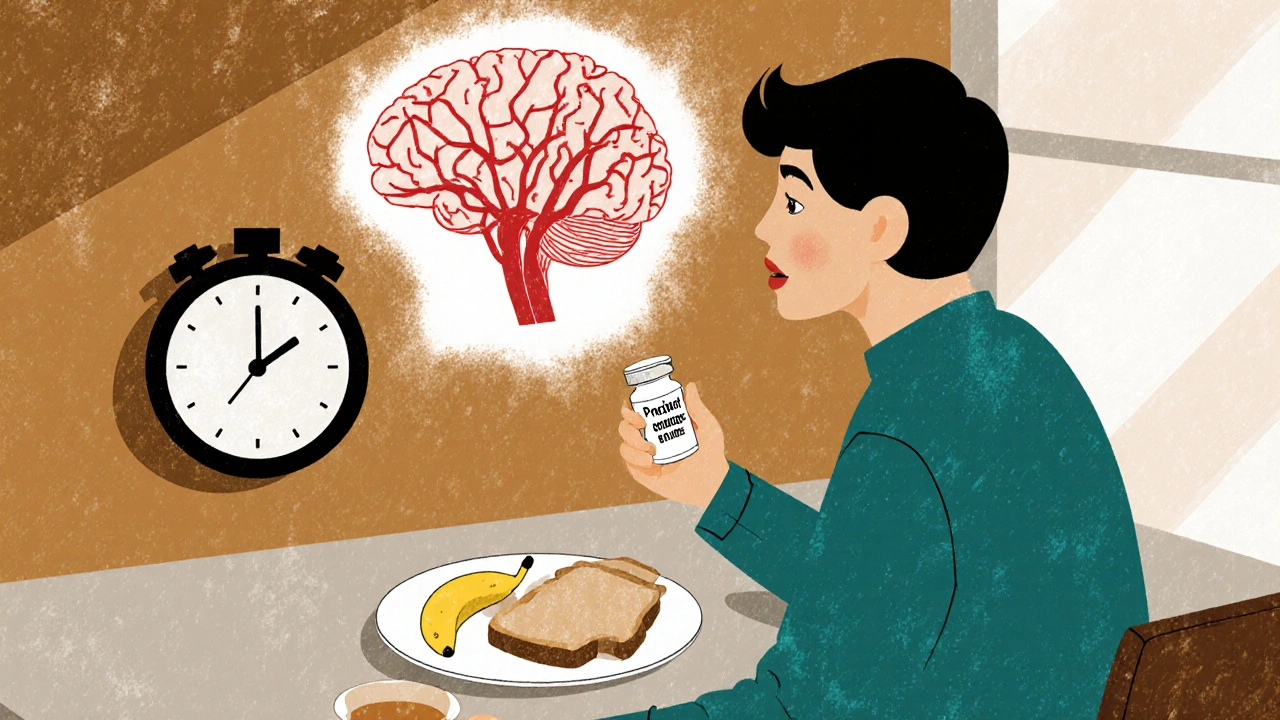
What you won’t find in most patient handouts is that opioid nausea isn’t just about the drug—it’s about how your body adapts. Some people develop tolerance to the nausea over time. Others never do. If you’re on long-term opioids, your pharmacist might recommend a low-dose antiemetic taken daily, not just when you feel sick. It’s easier to prevent nausea than to treat it after it hits. And while ginger, peppermint, or acupressure bands are popular home fixes, there’s little solid evidence they work for opioid-related nausea. What does work? Timing your dose with food, staying hydrated, and avoiding sudden movements after taking the pill. If you’re switching from one opioid to another, nausea can flare up again—even if you tolerated the last one fine.
The posts below cover exactly this: how to manage opioid nausea without giving up your pain control. You’ll find direct comparisons between opioid nausea treatments like Compazine and ondansetron, what side effects to watch for, and how other drugs like metoclopramide or meclizine stack up. You’ll also see how these strategies connect to broader topics like medication safety, pharmacy warning labels, and what those little stickers on your bottle actually mean. No fluff. No guesswork. Just what works—based on real patient experiences and clinical guidelines.
Opioid-induced nausea affects up to 40% of users, but it's manageable. Learn which antiemetics work best, how timing your doses cuts nausea, and simple diet changes that help you stay on track with pain relief.