Opioid Side Effects: What You Need to Know Before Taking Them
When you take opioids, a class of powerful pain-relieving drugs that include oxycodone, hydrocodone, morphine, and fentanyl. Also known as narcotics, they work by binding to receptors in your brain and spinal cord to block pain signals. But they don’t just stop pain—they also slow your breathing, make you drowsy, and can trap you in a cycle of dependence. Many people don’t realize how quickly tolerance builds, or how easily a prescribed dose can turn into a dangerous habit.
Opioid side effects aren’t just annoying—they can be deadly. The most serious risk is respiratory depression, when breathing slows so much that oxygen levels drop dangerously low. This is the leading cause of death in opioid overdoses. Other common side effects include constipation, nausea, dizziness, and confusion. Long-term use can lead to opioid dependence, a physical state where your body needs the drug to function normally, and opioid withdrawal, a harsh set of symptoms like muscle aches, insomnia, diarrhea, and anxiety that hit when you stop taking them. Even if you take your pills exactly as prescribed, these effects can sneak up on you.
It’s not just about the pills themselves. Opioids interact with other meds—like benzodiazepines or alcohol—that can multiply the risk of overdose. And if you’re older or have lung problems, your body handles them differently. That’s why pharmacists use warning labels, and why your doctor should ask about your full medication list before prescribing. You’re not alone if you’re worried about these drugs. Millions of people use them for chronic pain, but far too few know how to spot the early signs of trouble.
Below, you’ll find real-world guides on how to read prescription labels, manage chronic pain without relying on opioids, and understand what those color-coded stickers on your bottle really mean. These aren’t theoretical tips—they come from people who’ve been there, and from pharmacists who’ve seen the mistakes that cost lives. Whether you’re taking opioids now, helping someone who is, or just trying to stay informed, this collection gives you the tools to make safer choices.
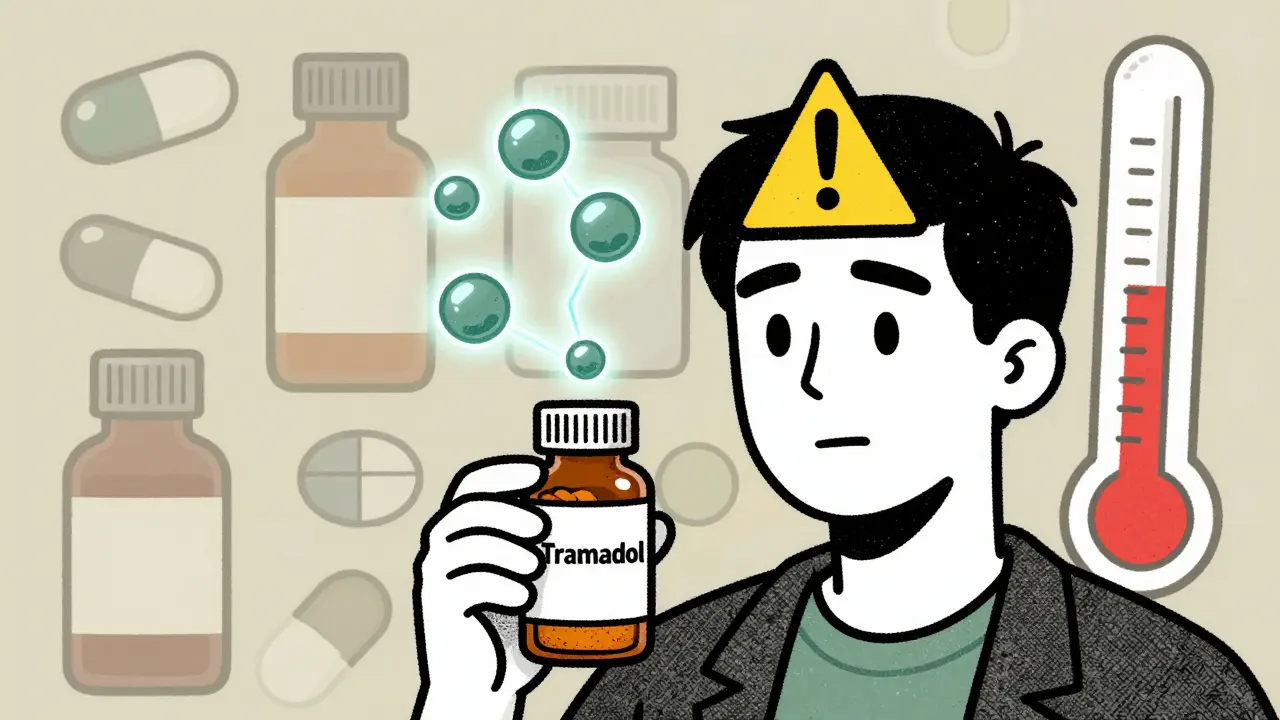
Opioids like tramadol and meperidine can cause serotonin syndrome when mixed with antidepressants or OTC cough medicines. Learn which painkillers are safe, the real risks, and what to do if you're taking multiple medications.
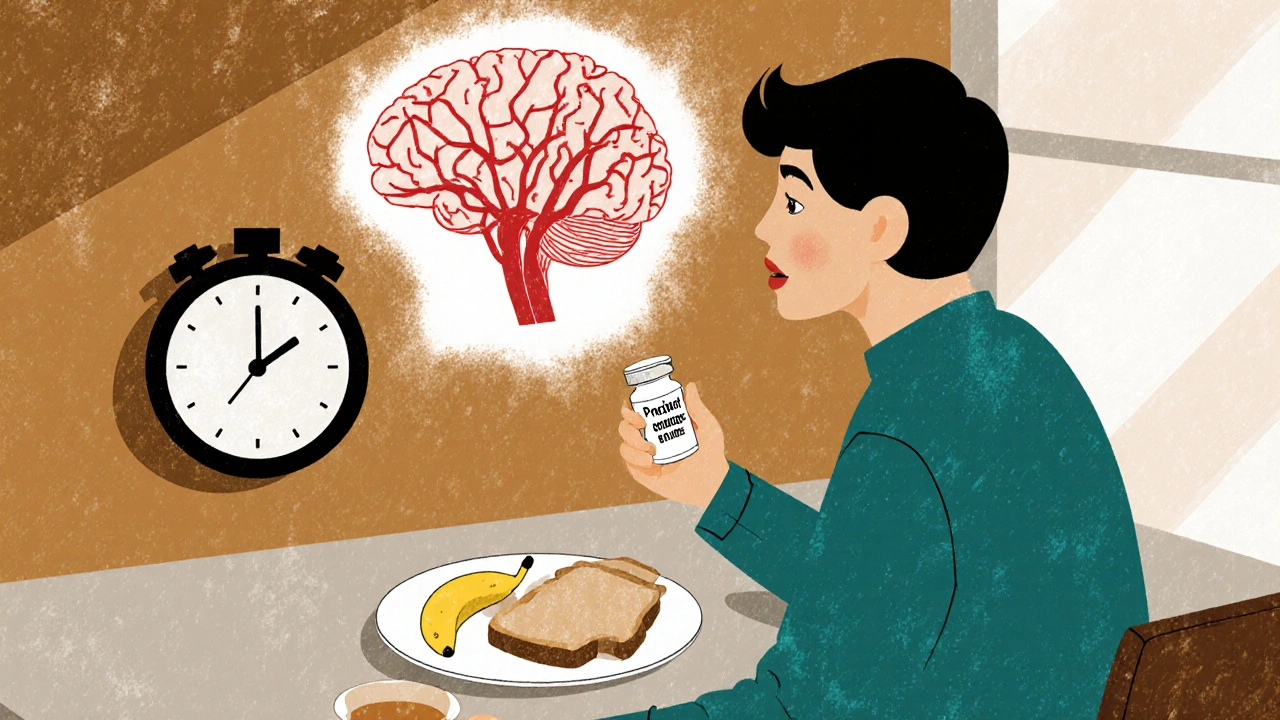
Opioid-induced nausea affects up to 40% of users, but it's manageable. Learn which antiemetics work best, how timing your doses cuts nausea, and simple diet changes that help you stay on track with pain relief.