Return to Work: How Medications, Health Conditions, and Recovery Tools Help You Get Back on Your Feet
When you're getting ready to return to work, the process of resuming job duties after illness, injury, or medical treatment. Also known as work reintegration, it's not just about feeling better—it's about managing how your body, meds, and environment interact to keep you safe and productive. Many people jump back too soon because they think "feeling okay" means they're ready. But if you're still dealing with opioid nausea, brain fog from antihistamines, or joint pain from arthritis, your body isn't just resting—it's struggling. That’s why successful return-to-work plans don’t just track days off; they track how your meds, symptoms, and daily tasks line up.
Medications play a huge role in whether you can focus, move, or even sit at a desk without discomfort. For example, desloratadine, a common antihistamine used for allergies. Also known as Claritin-D, it can cause brain fog that makes paperwork or meetings harder than they should be. Or take opioid-induced nausea, a side effect affecting up to 40% of users. Also known as opioid-induced vomiting, it can derail your day if you're not timing doses or adjusting your diet. Even something as simple as a prescription label warning, a safety instruction on your medicine bottle. Also known as auxiliary labels, these color-coded stickers tell you whether to take a pill with food, avoid alcohol, or never crush it—mistakes here can mean hospital visits, not just missed days. These aren’t just medical details—they’re workplace safety issues.
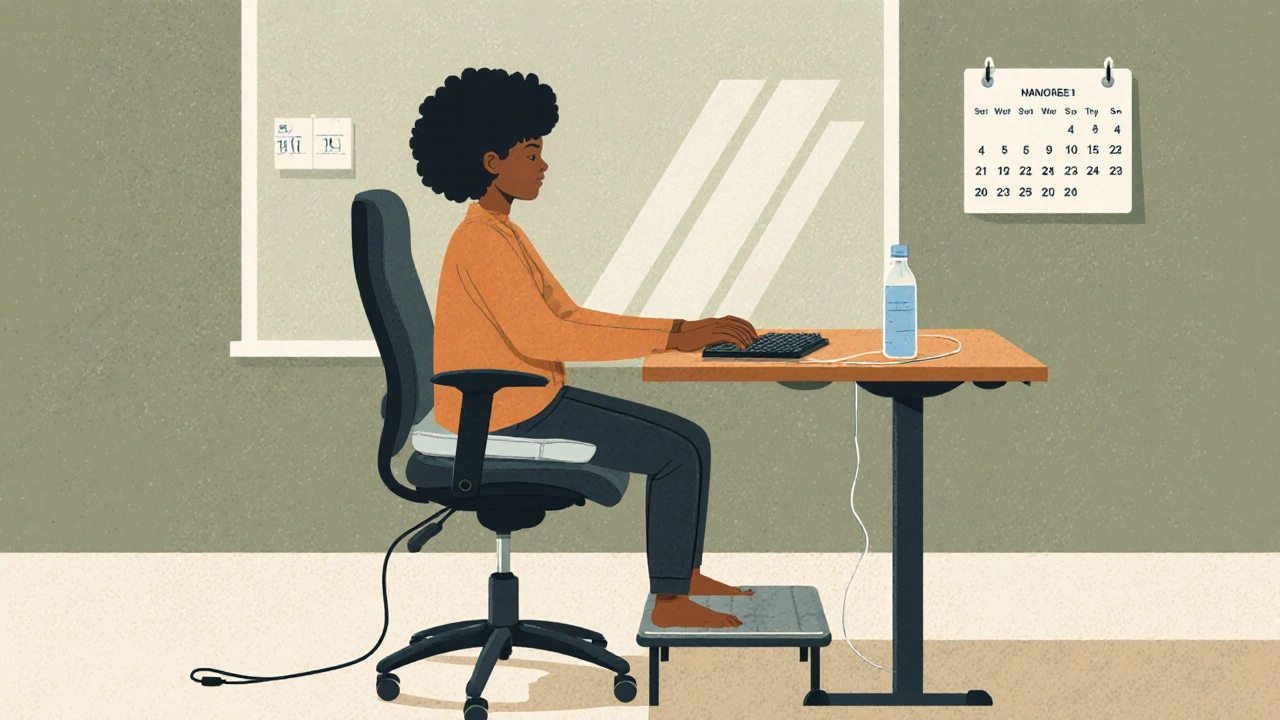
Chronic conditions like joint damage, diabetic neuropathy, or thyroid cancer don’t vanish when you walk back into the office. They need ongoing management. That’s why tools like chronic disease self-management, practical strategies to improve daily function despite long-term illness. Also known as CDSMP program, they help you track symptoms, adjust meds, and communicate with your team about what you need—whether it’s a flexible schedule, ergonomic seating, or extra breaks. People who use these tools don’t just survive—they thrive. And they’re not alone. Support groups for neuropathy, structured rehab plans after surgery, and even simple tips on tracking expiration dates for your meds all play a part in making your return smoother.
There’s no one-size-fits-all path back to work. Your return depends on what you’re recovering from, what meds you’re on, and how your body responds. The posts below give you real, no-fluff guidance on managing side effects, understanding label warnings, adjusting to life after treatment, and making smart choices so you don’t just return to work—you stay in it.
Learn how to return to work with chronic pain using practical accommodations, legal rights, and step-by-step strategies. Get real examples of what works, how to ask for help, and what to do if your employer says no.