Therapeutic Equivalence: What It Means and Why It Matters for Your Medications
When you pick up a prescription, you might see a therapeutic equivalence, the official determination that two drugs produce the same clinical effect and safety profile in patients. Also known as bioequivalence, it’s the reason your pharmacist can swap a brand-name pill for a cheaper generic without asking your doctor again. This isn’t just a pharmacy trick—it’s a science-backed rule that keeps millions of people on affordable treatment every day.
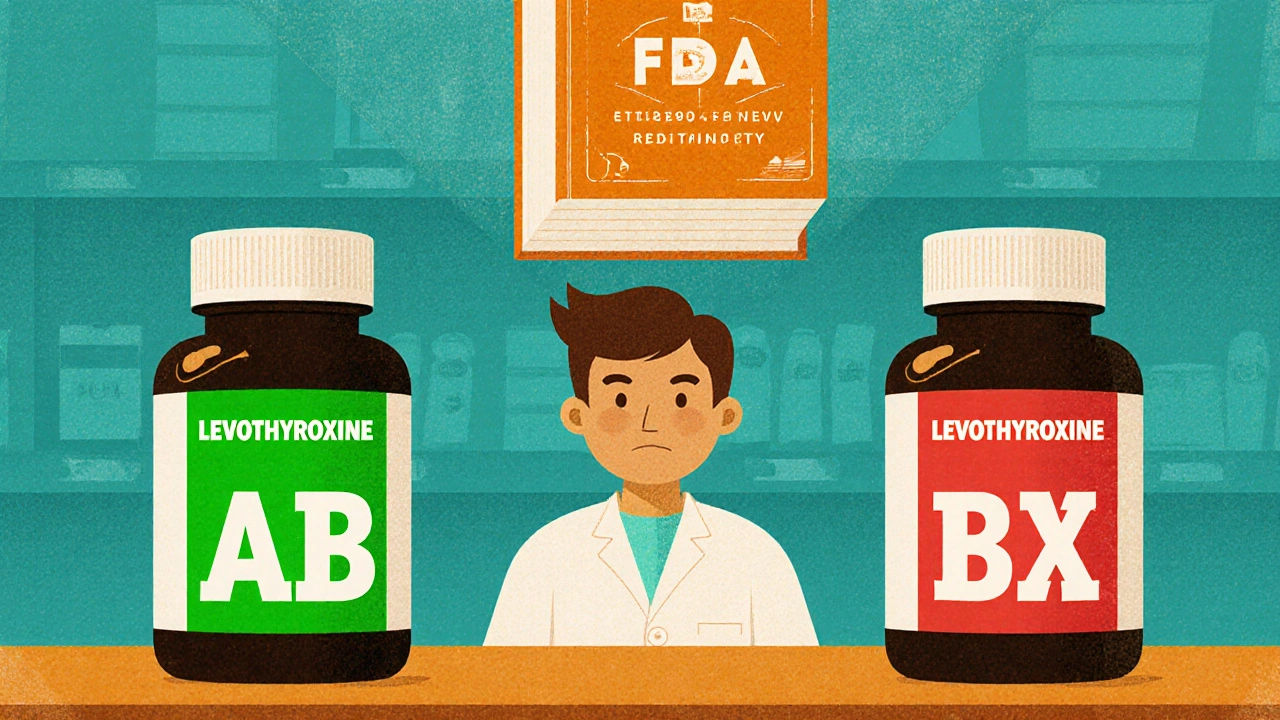
Therapeutic equivalence isn’t about looks or taste. It’s about what happens inside your body. Two drugs are considered therapeutically equivalent if they deliver the same amount of active ingredient at the same speed, and your body responds the same way. The FDA uses strict tests to prove this—blood levels, absorption rates, and clinical outcomes. If a generic passes, it’s listed in the Orange Book with an AB rating. That’s your green light. You’re not getting a weaker version. You’re getting the same result, often for 80% less.
But not all generics are created equal. Some drugs have narrow therapeutic windows—tiny differences in dosage can cause big problems. That’s why drugs like warfarin, levothyroxine, or phenytoin need extra care. Even if two pills are technically equivalent, your doctor might prefer you stick with one brand to keep your levels stable. And if you switch between different generic makers, your body might react differently because of fillers or coatings—even if the active ingredient is identical. That’s why tracking your meds matters, and why some people feel better staying with one source.
Therapeutic equivalence ties into bigger issues like generic drugs, lower-cost versions of brand-name medications approved by regulators as safe and effective. Also known as substitutable medications, they’re the backbone of affordable healthcare. Without it, you’d pay hundreds more for the same pill. Antitrust laws and the Hatch-Waxman Act were built to push these generics into the market, but companies still try to block them with patent tricks and pay-for-delay deals. That’s why understanding therapeutic equivalence helps you spot when you’re being overcharged.
And it’s not just about cost. It’s about access. If you’re on insulin, blood pressure meds, or antidepressants, therapeutic equivalence means you don’t have to choose between your health and your rent. It’s why people with chronic conditions can stay on treatment year after year. When you see that AB rating on your label, you’re seeing proof that science and policy are working together to keep you alive and well.
Below, you’ll find real-world examples of how this plays out—from comparing generic versions of common drugs to understanding why some substitutions work and others don’t. You’ll learn how to read your prescription label, when to ask your pharmacist about switching, and which meds are safest to swap. This isn’t theory. It’s what’s in your medicine cabinet right now.
Pharmacists must stay updated on generics to ensure safe substitutions, comply with state laws, and avoid malpractice. Learn what CE is required, how to choose effective courses, and what’s changing in 2025.