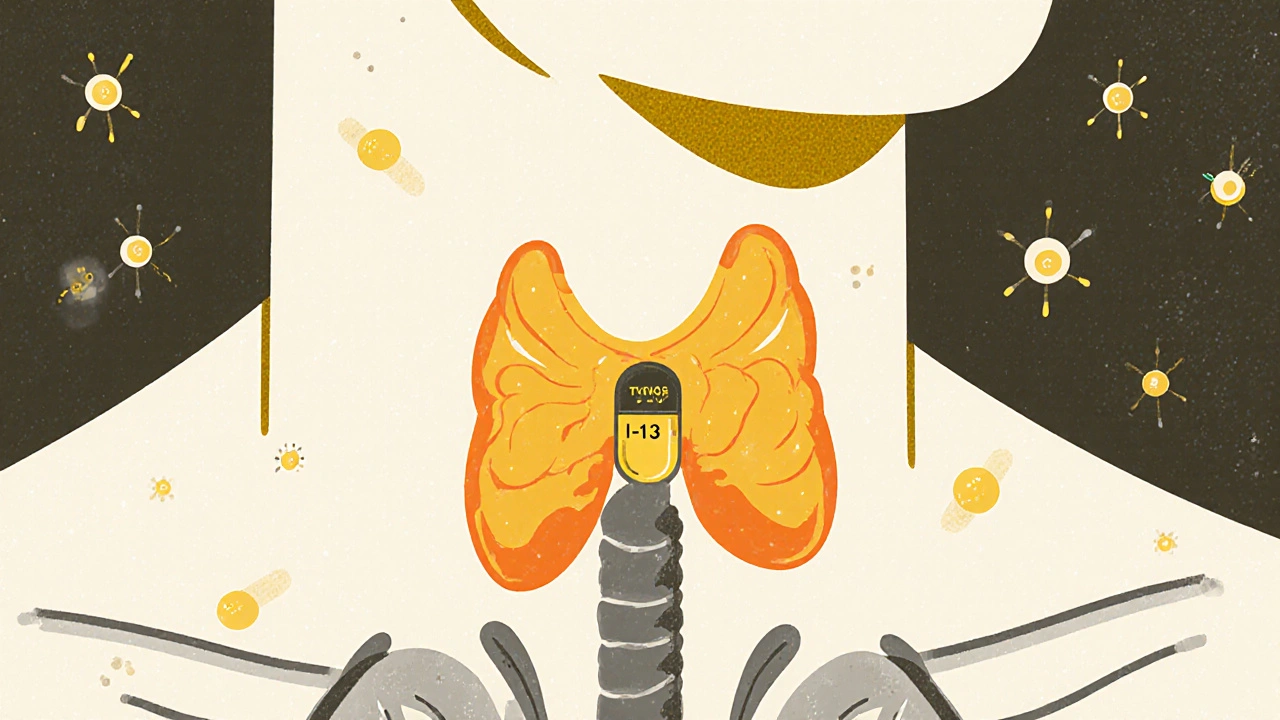
Thyroidectomy: What It Is, Why It's Done, and What to Expect After
When your thyroidectomy, the surgical removal of all or part of the thyroid gland. Also known as thyroid surgery, it's one of the most common endocrine procedures performed worldwide. This isn’t a routine operation—it’s usually done because something’s wrong with your thyroid. Maybe it’s swollen, cancerous, or overproducing hormones. Or maybe medications haven’t worked. Either way, removing part or all of it becomes the best option.
After a thyroidectomy, the surgical removal of all or part of the thyroid gland, your body can’t make thyroid hormones anymore—or not enough. That’s where hypothyroidism, a condition where the thyroid doesn’t produce enough hormones comes in. Most people need to take daily thyroid hormone replacement, like levothyroxine, for the rest of their lives. It’s not complicated, but it does require regular blood tests to get the dose right. Too little and you’ll feel tired and cold. Too much and you might get heart palpitations or lose weight without trying.
Recovery isn’t long, but it’s not nothing either. You’ll have a small scar on your neck, and your voice might be hoarse for a few days. Swallowing can feel odd. Some people get low calcium right after surgery because the parathyroid glands nearby get temporarily stunned. That’s usually temporary, but it’s something your doctor will check. And while most people go back to work in a week or two, heavy lifting and intense exercise? Wait at least three weeks.
You’ll also need to pay attention to what you take with your thyroid pill. Calcium supplements, iron, and even some antacids can block absorption if taken at the same time. That’s why most doctors tell you to take your hormone pill on an empty stomach, at least 30 to 60 minutes before breakfast. Skip the coffee too—it can interfere.
There’s more to this than just popping a pill. People who’ve had a thyroidectomy, the surgical removal of all or part of the thyroid gland often struggle with fatigue, brain fog, or mood changes—not because the surgery failed, but because their body is still adjusting. That’s why tracking symptoms and working with your doctor to fine-tune your dose matters more than you think. It’s not a one-time fix. It’s a long-term rhythm.
What you’ll find below are real, practical posts about what happens after thyroid surgery: how to manage your meds, what side effects to watch for, how to spot signs your dose is off, and even how to handle the emotional side of losing your thyroid. Some posts talk about how thyroid hormone replacement interacts with other drugs. Others explain why certain supplements can mess with your levels. There’s even one on how to track your pill schedule so you never miss a dose. This isn’t theory. It’s what people actually need to know after their thyroid is gone.
Thyroid cancer is highly treatable, with most patients surviving long-term. Learn about the four main types, how radioactive iodine therapy works, what thyroidectomy involves, and what life looks like after treatment.