Tick Bite Treatment: What to Do After a Tick Bite and How to Avoid Complications
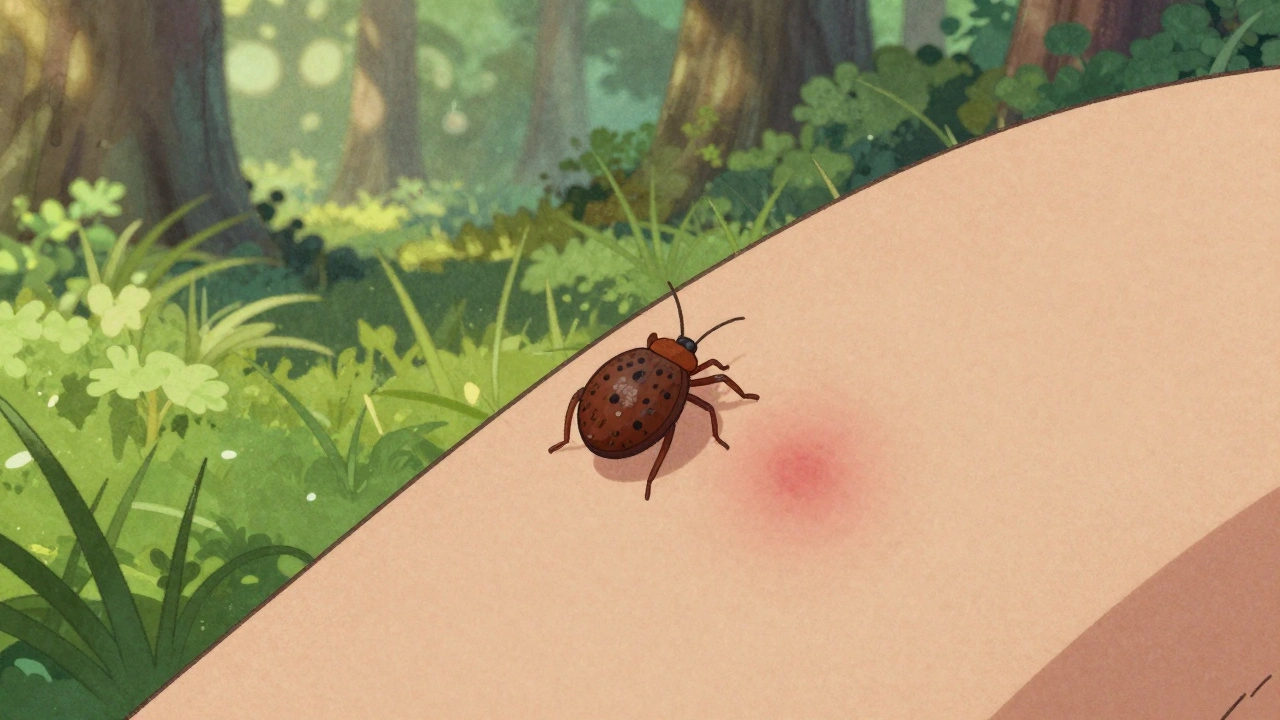
When you get a tick bite, a bite from a blood-feeding arachnid that can carry harmful bacteria and viruses. Also known as tick attachment, it’s not just a nuisance—it’s a potential health risk that needs quick, correct action. Most ticks don’t carry disease, but if one stays attached for more than 24 hours, the chance of infection goes up. The biggest concern? Lyme disease, a bacterial infection spread by blacklegged ticks, often causing a bull’s-eye rash, fever, and fatigue. Left untreated, it can lead to joint pain, nerve damage, and heart problems. That’s why knowing how to respond matters more than you think.
First, remove the tick properly. Don’t use matches, nail polish, or petroleum jelly—those myths can make things worse. Use fine-tipped tweezers, grab the tick as close to the skin as you can, and pull straight up with steady pressure. Don’t twist. Save the tick in a sealed bag or container in case you need to show it to a doctor later. Wash the area with soap and water, then monitor the site. If a red, expanding rash shows up—especially one that looks like a target—see a provider right away. Tick-borne illnesses, a group of infections including Lyme, anaplasmosis, and babesiosis, all spread by different tick species. They don’t always show up right away. Symptoms can take days or weeks to appear. That’s why tracking your symptoms after a bite is just as important as the removal itself.
Not every tick bite needs antibiotics, but if you live in or visited a high-risk area like the Northeast or Upper Midwest, and the tick was attached for over 36 hours, your doctor might prescribe a single dose of doxycycline as a preventive step. It’s not a guarantee, but it cuts the risk of Lyme by up to 87%. Meanwhile, tick prevention, using repellents, wearing long clothing, and checking for ticks after being outdoors. is your best defense. DEET, permethrin-treated clothes, and showering within two hours of coming inside can slash your risk dramatically. Keep in mind, ticks can be tiny—like a poppy seed—so check under arms, behind knees, in hair, and around the waist. Don’t skip these steps just because you didn’t feel a bite.
The posts below give you real, practical advice on what to do after a tick bite, how to spot early signs of infection, and how to protect yourself and your family. You’ll find clear guidance on removing ticks safely, understanding test results, knowing when to call a doctor, and avoiding common mistakes that lead to serious illness. Whether you’re a parent, hiker, pet owner, or just someone who spends time outside, this collection has what you need to act fast and stay safe.
Lyme disease is the most common tick-borne illness in the U.S., affecting nearly 500,000 people yearly. Early detection and antibiotic treatment can prevent serious complications - but delays lead to long-term health issues. Know the signs, act fast.