
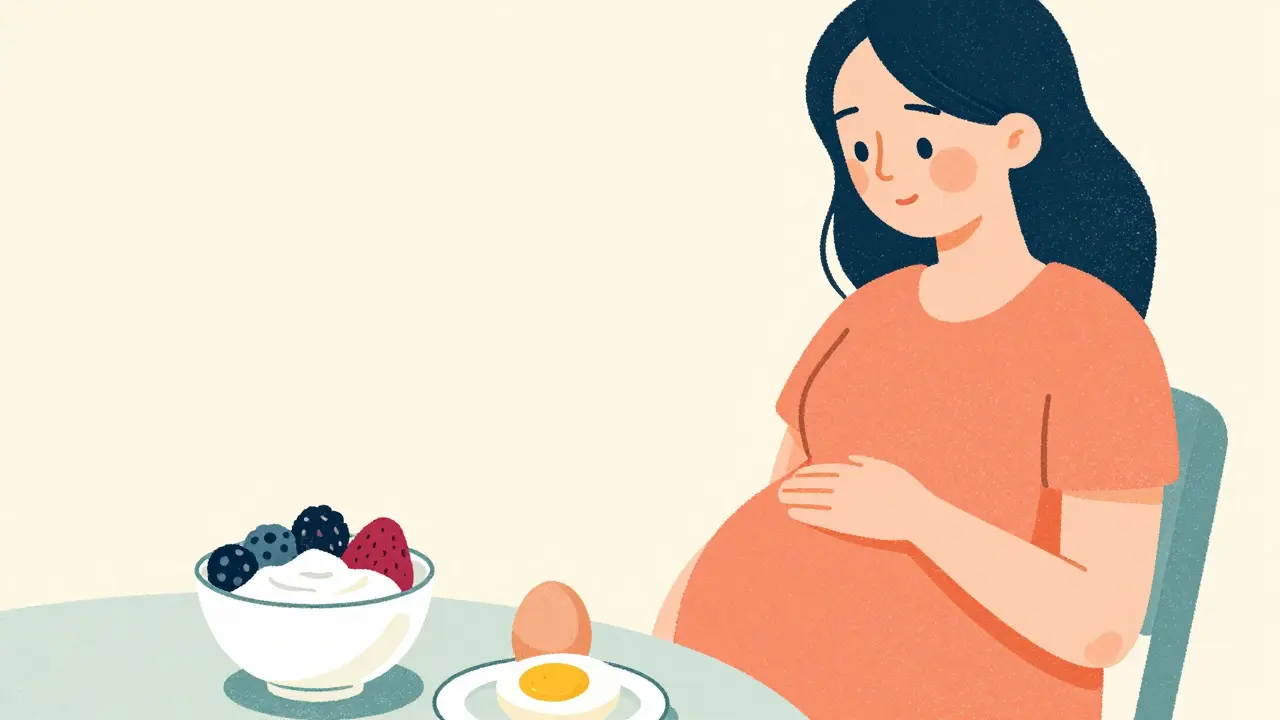
The Golden Numbers: Your Blood Sugar Targets
Before you change what's on your plate, you need to know what you're aiming for. Blood sugar targets for GDM are stricter than for non-pregnant adults because high glucose crosses the placenta, which can tell your baby's pancreas to overproduce insulin. To keep things balanced, the International Association of Diabetes and Pregnancy Study Groups (IADPSG) suggests these specific limits:
- Fasting (First thing in the morning): Below 95 mg/dL.
- 1-Hour After a Meal: Below 140 mg/dL.
- 2-Hours After a Meal: Below 120 mg/dL.
If you notice your fasting numbers are creeping up, it's often due to something called hepatic glucose overproduction-basically, your liver releasing sugar while you sleep. A pro tip from specialists is to focus on the timing of your last snack; a small, protein-rich snack before bed can often stabilize those morning numbers.
Choosing Your Strategy: Plate Method vs. Carb Counting
There are two main ways to handle your meals. One is about visual cues, and the other is about math. Neither is "better," but one will likely fit your personality and lifestyle more than the other.
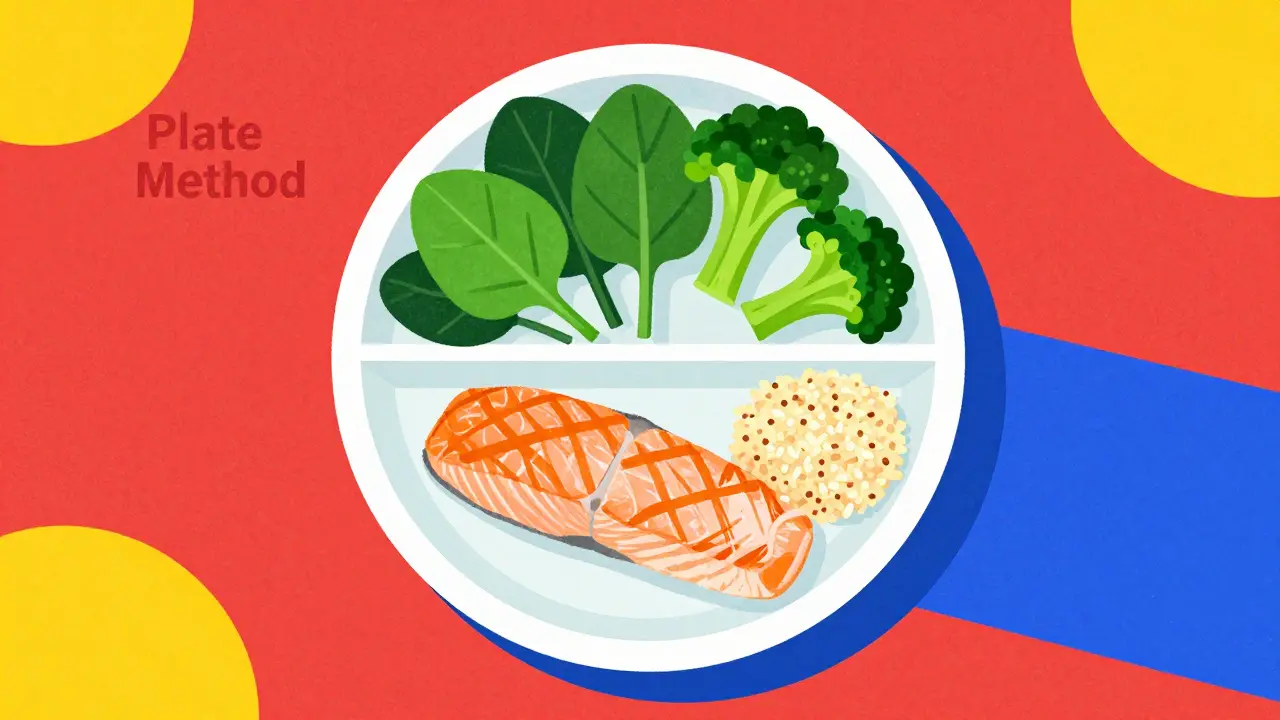
The Plate Method is the go-to for people who hate measuring everything. You use a nine-inch plate and divide it visually. Half the plate is for non-starchy vegetables (like spinach, broccoli, or peppers), one-quarter is for lean protein (chicken, tofu, or fish), and the last quarter is for your carbohydrates. It's simple, fast, and remarkably effective-some studies show it's just as good as counting carbs but much easier to stick to long-term.
On the other hand, Carbohydrate Counting is for those who want precision. This method focuses on "net carbs" (total carbs minus fiber). The standard recommendation is to aim for 45-60 grams of net carbs per main meal and about 15 grams for snacks. This is particularly helpful for women who had insulin resistance before pregnancy or those who find that their blood sugar reacts wildly to different types of grains.
| Feature | Plate Method | Carbohydrate Counting |
|---|---|---|
| Primary Tool | 9-inch plate (Visual) | Gram measurements (Math) |
| Ease of Use | High (Very intuitive) | Moderate (Requires tracking) |
| Precision | General | High (Exact gram targets) |
| Best For... | Beginners / Morning sickness | High precision / Pre-existing resistance |
Building Your Meal Plan by Trimester
Your body's needs change as your baby grows, and your gestational diabetes diet should evolve too. You can't eat the same way in month four as you do in month eight.
During the second trimester, your focus is on establishing stability. A typical meal might include 1 ounce of lean protein and 2 carbohydrate servings. For example, a piece of grilled salmon with a side of sautéed kale and a small portion of quinoa. The goal here is to prevent spikes without restricting too many calories.
By the third trimester, your caloric and protein needs jump. You'll likely move toward 2.5 ounces of lean protein and up to 4 carbohydrate servings per meal. This extra fuel is critical for the baby's brain and organ development. However, this is also when blood sugar can become more volatile, making a "protein-first" approach essential. Try eating your vegetables and protein first, and save the carbohydrates for the end of the meal; this simple trick slows down glucose absorption.
What Actually Counts as a "Carb Serving"?
One of the biggest points of confusion is what a "serving" actually looks like. If you're counting carbs, you need to be specific. According to clinical guidelines, one carbohydrate serving (roughly 15g of carbs) is equivalent to:
- One medium slice of whole-grain bread.
- About 50g of cooked brown rice (think two heaped tablespoons).
- Roughly 75g of potatoes.
- A small apple or a handful of berries.
A common mistake is underestimating cooked grains. Many people accidentally add 7-10 extra grams of carbs just by slightly overfilling their measuring cup. If you don't have a scale, use visual cues: a half-cup of cooked grains is roughly the size of a tennis ball.
The Power of High-Fiber and Healthy Fats
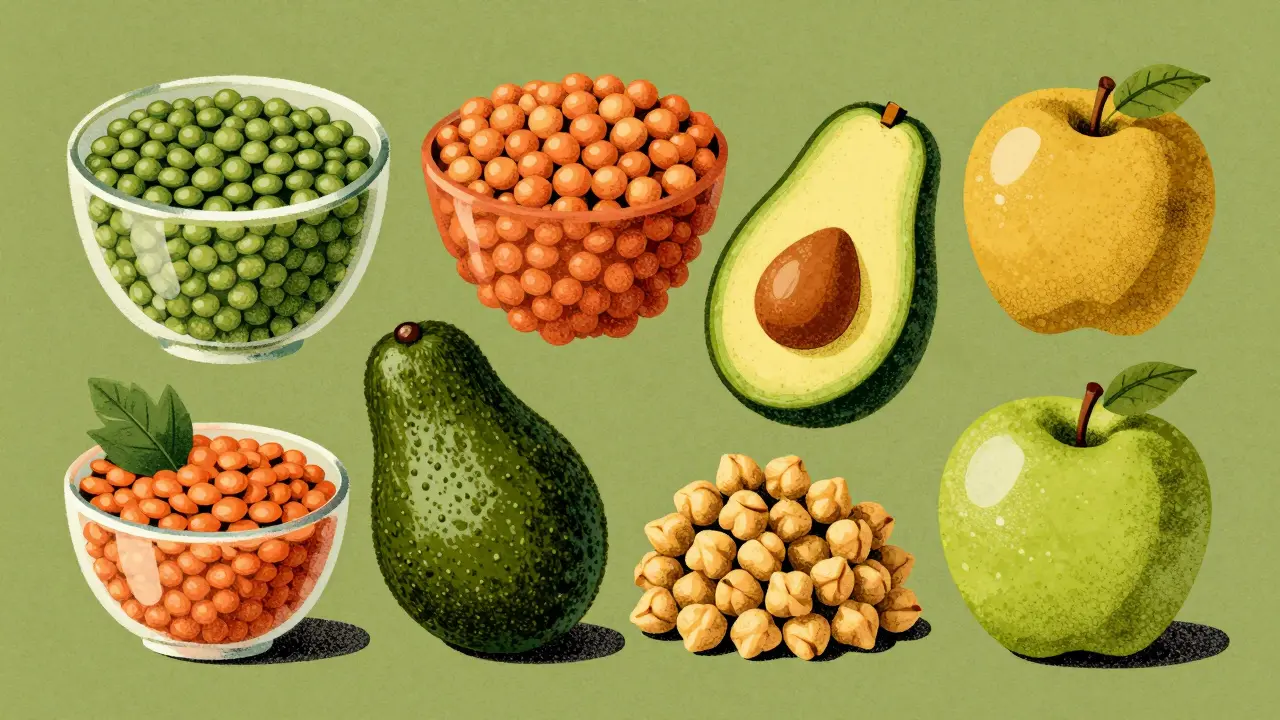
Not all carbs are created equal. The secret to avoiding those dreaded post-meal spikes is the Glycemic Index. High-GI foods (like white bread or sugary cereals) hit your bloodstream like a lightning bolt. Low-GI foods (like lentils, chickpeas, and non-starchy greens) release sugar slowly.
You should aim for meals containing at least 6 grams of fiber. Fiber acts like a speed bump for sugar, slowing it down so your insulin can keep up. This is why the Mediterranean Diet-which emphasizes olive oil, nuts, and plant-based proteins-is so effective for GDM. It doesn't just lower spikes; it provides the healthy fats needed for your baby's neurological development.
Practical Tips for Daily Success
Managing GDM is a marathon, not a sprint. To avoid burnout, try these real-world strategies:
- The Protein-First Snack: Never eat a carb alone. If you want an apple, pair it with a string cheese or a tablespoon of almond butter. The protein and fat buffer the sugar.
- Prepare for Morning Sickness: If you can't stomach a balanced meal in the morning, try small sips of protein shakes or a few saltine crackers paired with a hard-boiled egg.
- Cultural Adaptations: You don't have to eat bland salads. If you love rice, swap white rice for brown or cauliflower rice, or simply limit the portion to 1/2 cup and fill the rest of the plate with stir-fried bok choy and chicken.
- Watch the "Diabetic-Friendly" Labels: Be careful with processed foods labeled "sugar-free." Many are loaded with sodium or artificial sweeteners that can cause bloating and don't offer the nutrition your baby needs. Stick to whole foods whenever possible.
Can I eat any fruit with gestational diabetes?
Yes, but timing and portion are key. Stick to low-glycemic fruits like berries, cherries, or green apples. Avoid drinking fruit juices, which lack fiber and cause rapid sugar spikes. Always pair your fruit with a protein, such as Greek yogurt or a few walnuts, to stabilize your glucose levels.
What should I do if my fasting blood sugar is too high?
Fasting hyperglycemia is common in the third trimester. Try adding a small, high-protein snack before bed, such as a piece of cheese or a handful of almonds. Also, avoid eating high-carb meals too late in the evening. If numbers remain high, consult your doctor as you may need a medication adjustment.
Is the Plate Method as effective as counting carbs?
For most women, yes. Research shows that the Plate Method achieves similar glycemic control to strict carb counting but has a much higher adherence rate because it is less stressful and easier to implement in restaurants or social settings.
How many carbs should I have per snack?
The general target for snacks is approximately 15 grams of net carbohydrates. This helps maintain a steady level of glucose between meals and prevents the extreme dips and spikes that can lead to hunger-driven overeating.
Does eating a lot of protein replace the need for carbs?
No. While protein is essential for fetal growth, your baby still needs carbohydrates for energy and brain development. The goal is not to eliminate carbs, but to choose high-fiber, slow-digesting versions and distribute them evenly throughout the day.
Next Steps and Troubleshooting
If you are just starting out, your first goal is to keep a food and glucose log for one week. This will help you identify "trigger foods"-some women can handle oatmeal but spike with brown rice, while others are the opposite. There is no one-size-fits-all diet.
If you find that you are consistently hitting your targets but feeling exhausted or dizzy, you might be restricting calories too much. Ensure you are eating enough to support your pregnancy; restricting below 1,700 calories can actually increase risks for the baby. If you struggle with the math of carb counting, switch to the Plate Method immediately to reduce stress and improve your quality of life.

