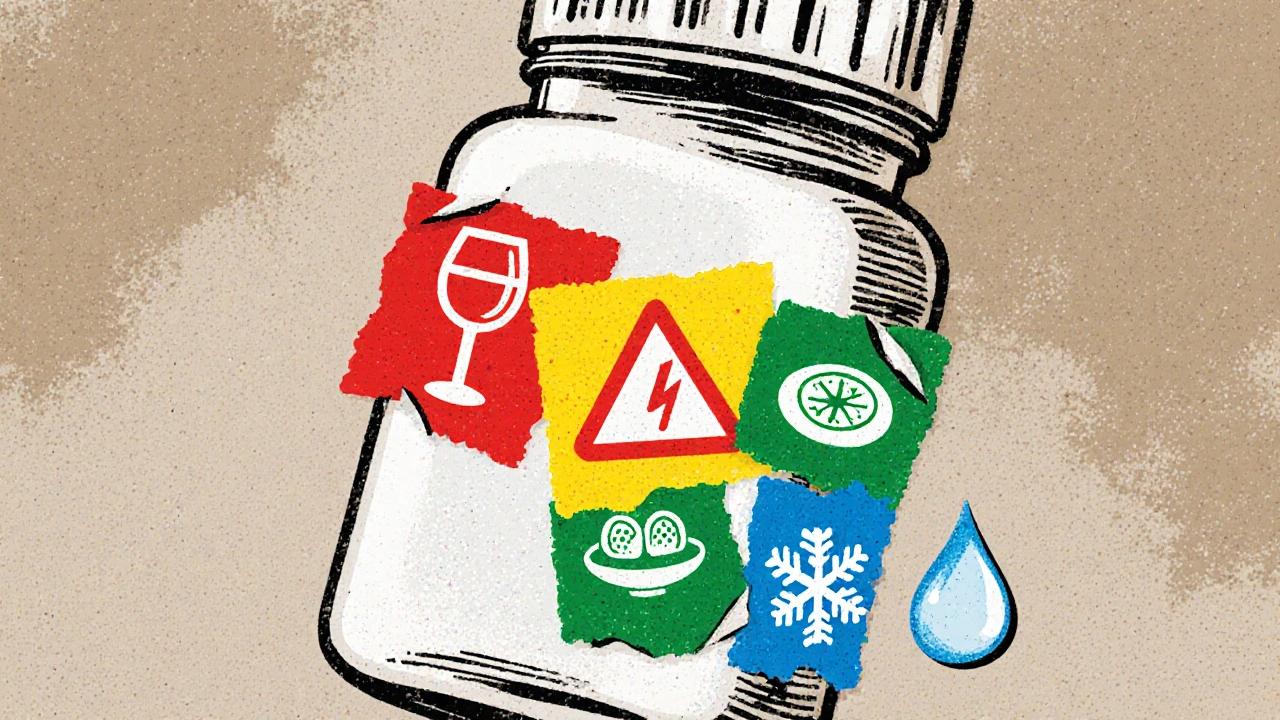
Color-Coded Prescription Labels: What the Colors Mean and Why They Save Lives
When you pick up a prescription, you might not notice the little colored stickers on the bottle—but those color-coded prescription labels, visual cues used by pharmacies to flag critical medication instructions. Also known as medication stickers, they’re not just decorative. They’re life-saving shortcuts designed to stop errors before they happen. A red sticker doesn’t mean "danger" in the way you think. It’s a standardized signal, part of a system pharmacies use to highlight high-risk drugs, special instructions, or serious side effects. These aren’t random. They follow industry guidelines, often based on recommendations from the FDA and pharmacy safety organizations, to make sure you don’t miss something critical.
These labels connect directly to other important safety tools like black box warnings, the strongest safety alerts the FDA requires for medications with severe or life-threatening risks. If your pill bottle has a red sticker saying "Do not crush," it’s often because the drug inside has a black box warning tied to its formulation. A yellow sticker might mean "Take with food"—a simple instruction that keeps you from getting sick, especially with antibiotics or pain meds. And green? That’s often for chronic conditions like high blood pressure or diabetes, reminding you this isn’t a one-time prescription. These colors aren’t just for pharmacists. They’re meant for you, the person taking the medicine every day.
Some people ignore these stickers because they think they’re obvious. But studies show nearly 40% of medication errors happen because patients don’t read or understand the warnings. That’s why pharmacies use color—it cuts through the noise. If you’re on multiple meds, the color system helps you spot which ones need extra care. It’s not magic. It’s smart design. And it works. A 2022 pharmacy safety report found that clinics using standardized color codes reduced patient-reported errors by over 30% in just six months.
You’ll find plenty of posts here that dig into the details behind these labels. From what "Do not crush" really means for your heart meds, to why a purple sticker might be tied to a drug that affects your kidneys, to how older adults are especially at risk if they miss these cues. We’ll also cover how to ask your pharmacist to explain any sticker you don’t understand—and what to do if a label seems wrong. These aren’t just theory pieces. Every article is based on real cases, real mistakes, and real fixes people have used to stay safe.
Color-coded auxiliary labels on medication bottles are critical safety tools that warn of interactions, guide usage, and improve adherence. Learn what each color means, why placement matters, and how they prevent thousands of medication errors each year.