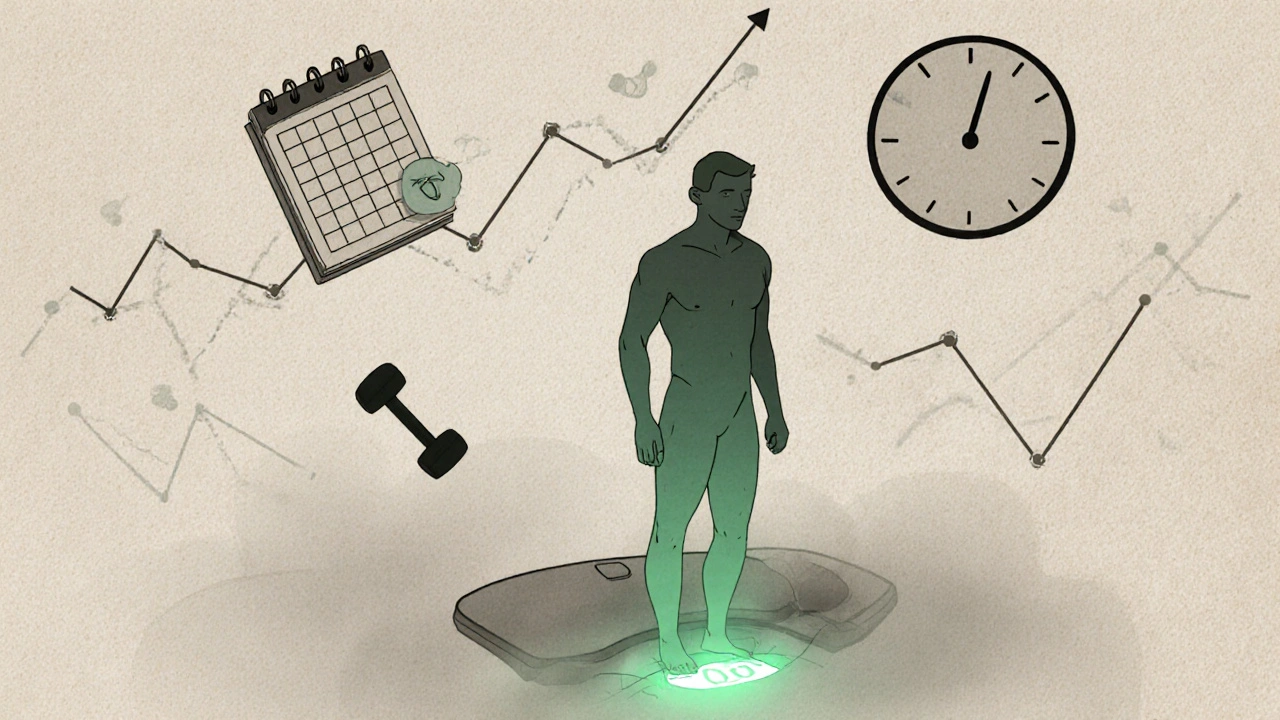
Diet Break: What It Is, Why It Works, and How to Use It Right
When you’re trying to lose weight, your body doesn’t just give up fat—it fights back. That’s where a diet break, a temporary return to maintenance calories after a period of dieting. Also known as calorie cycling, it’s not cheating. It’s strategy. Most people think fat loss means eating less and less, but your metabolism slows down over time. Your hormones shift. Hunger spikes. Energy drops. A diet break reverses that. It tells your body it’s not in famine mode anymore, so it starts burning fat again instead of holding onto every calorie.
Think of it like resetting a computer. When you’re on a long-term low-calorie diet, your body adapts by lowering thyroid output, reducing leptin (the fullness hormone), and increasing ghrelin (the hunger hormone). That’s why you hit plateaus. A diet break—usually 1 to 2 weeks of eating at your maintenance level—brings those hormones back toward normal. Studies show people who take diet breaks lose more fat over time than those who grind through constant restriction. It’s not about stopping progress. It’s about making progress last.
Diet breaks also help your mind. Constantly counting calories, saying no to food, and feeling deprived wears you down. That’s why so many people quit diets after a few months. A diet break gives you mental space. You eat normally. You enjoy meals without guilt. You recharge your willpower. When you go back to cutting calories, you’re not exhausted—you’re focused.
Who benefits most? Anyone who’s been dieting for more than 8 to 12 weeks and feels stuck. Athletes, busy professionals, parents juggling life—it doesn’t matter. If you’re losing weight slowly, feeling tired, or obsessing over food, a diet break could be the missing piece. You don’t need fancy tools. Just track your calories for a few days to find your maintenance number. Then eat that amount for 7 to 14 days. No extremes. No bingeing. Just balance.
And it’s not just about weight. People who take diet breaks report better sleep, stronger workouts, and fewer cravings. Their skin clears up. Their mood improves. That’s because your body isn’t just burning fat—it’s healing. Hormones like cortisol drop. Thyroid function improves. Your metabolism doesn’t just bounce back—it gets smarter.
Below, you’ll find real-world guides on how to structure your diet break, what to eat during it, and how to avoid common mistakes. You’ll also see how it connects to other health strategies—like managing chronic conditions, understanding medication effects on appetite, and using self-care to support long-term goals. This isn’t a quick fix. It’s a smarter way to lose fat and keep it off.
Weight loss plateaus happen because your metabolism slows down in response to calorie restriction. Learn why this occurs, how to break through it with science-backed strategies, and what really works-beyond just eating less.