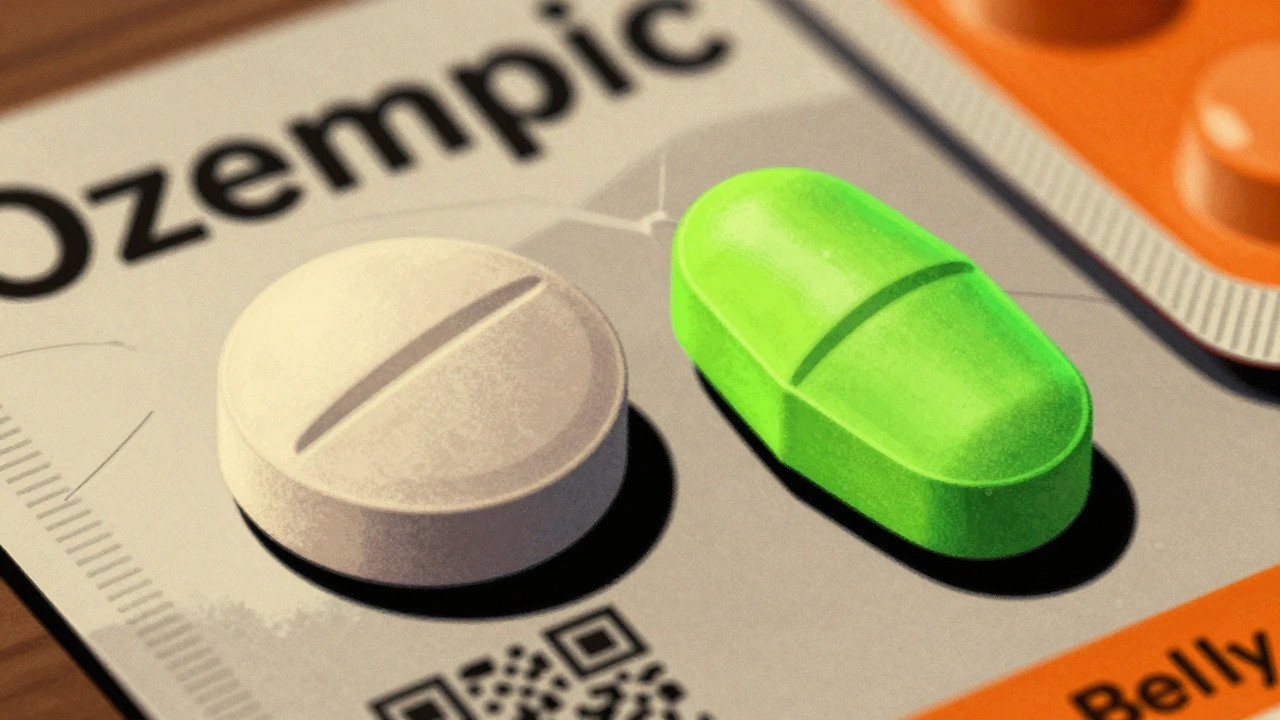
Fake Pills: How to Spot Counterfeit Medications and Stay Safe
When you pick up a prescription, you expect it to be safe. But fake pills, counterfeit medications designed to look like real prescriptions but containing dangerous or inactive ingredients. Also known as counterfeit drugs, they’re flooding the market—from online pharmacies to street dealers—and they’re killing people. These aren’t just poorly made copies. Many fake pills are laced with fentanyl, a synthetic opioid 50 times stronger than heroin. Just two milligrams can be fatal. Others are filled with chalk, flour, or nothing at all. If you’re taking medication for anxiety, pain, or ADHD, you could be at risk without even knowing it.
Counterfeit drugs thrive because of gaps in the supply chain and the rise of unregulated online pharmacies. The medication safety, the system of practices and checks designed to ensure drugs are authentic, properly stored, and correctly dispensed relies on pharmacies, manufacturers, and patients all doing their part. But when someone buys pills from a website that doesn’t require a prescription, or accepts payment in cryptocurrency, they’re bypassing every layer of protection. The FDA estimates that over 50% of online pharmacies operate illegally. And many fake pills are made to look identical to real ones—same color, same imprint, same packaging. Even pharmacists can miss them without lab testing.
That’s why knowing the signs matters. A pill that tastes bitter, crumbles easily, or doesn’t work like it used to? That’s a red flag. So is a bottle with misspelled labels, missing lot numbers, or packaging that looks off. If your doctor changes your pill’s appearance without explaining why, ask. The drug authenticity, the verified identity of a medication as produced by its legitimate manufacturer isn’t just a legal issue—it’s a survival issue. People die every day because they took what they thought was oxycodone, but was actually fentanyl.
You can’t always tell a fake pill by sight. But you can control where you get your meds. Stick to licensed pharmacies. Use the National Association of Boards of Pharmacy’s Verified Internet Pharmacy Practice Sites (VIPPS) list to check online sellers. Never buy from social media, text messages, or unverified websites. If you’re worried about cost, talk to your doctor about generic options or patient assistance programs. There are legal, safe ways to save money—none of them involve gambling with your life.
The posts below show you how to protect yourself. You’ll find real stories about people who got caught by fake pills, guides on how to check your medication’s imprint code, and what to do if you suspect a counterfeit. You’ll learn how pharmacy labels, packaging quirks, and even pill texture can give away a fake. This isn’t theoretical. It’s happening right now—in your town, in your neighborhood, in your medicine cabinet. Don’t wait until it’s too late.
Counterfeit generics are fake versions of affordable medications that can be deadly. Learn how to spot them, where to buy safely, and what to do if you’ve been sold a fake pill.