FDA Orange Book: What It Is and Why It Matters for Generic Drugs
When you pick up a generic pill at the pharmacy, you might assume it’s just a cheaper version of the brand-name drug. But there’s a hidden system that makes sure it’s actually the same—FDA Orange Book, a public database published by the U.S. Food and Drug Administration that lists approved drug products with therapeutic equivalence evaluations. Also known as Approved Drug Products with Therapeutic Equivalence Evaluations, it’s the official source that tells pharmacists and doctors which generics can safely replace brand-name drugs. This isn’t just paperwork—it’s what keeps your prescriptions affordable and reliable.
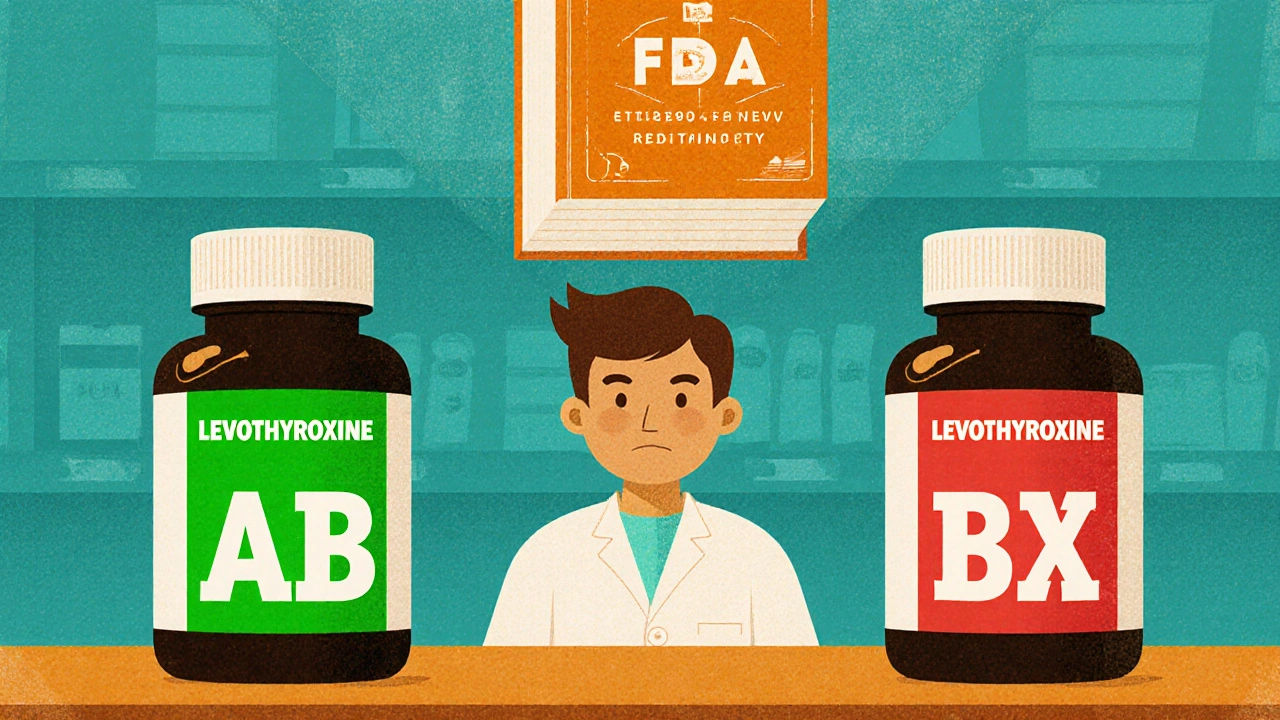
The FDA Orange Book doesn’t just list drugs. It rates them using codes like AB, which means the generic is bioequivalent to the brand. If a drug gets an AB rating, you can swap it without worry. But if it’s listed as BN or MX, that’s a red flag—it means the generic might not work the same way. This system exists because of the Hatch-Waxman Act, a 1984 law that balanced patent protections for brand-name companies with faster access to cheaper generics. Without it, generic drug makers couldn’t get approval without repeating expensive clinical trials. The Orange Book is the bridge between innovation and affordability.
Every time you see a generic version of a drug like omeprazole, loratadine, or allopurinol on your prescription, the FDA Orange Book is the reason it’s allowed on the shelf. It’s also why companies can’t just slap a new label on an old pill and call it a generic. They have to prove it releases the same amount of medicine at the same rate. That’s why you won’t find random generics for drugs like Ranexa or Compazine without this data. The Orange Book also tracks patent expirations and exclusivity periods, which is why some generics hit the market right after a brand-name drug loses protection. It’s not just a list—it’s a rulebook that keeps the system fair.
What you’ll find in the posts below are real-world examples of how this system affects you. From how antitrust laws block pay-for-delay deals that delay generics, to how you can spot if your medication is truly equivalent, these articles connect the dots between government rules and your medicine cabinet. You’ll learn how to read label warnings, compare generic alternatives, and understand why some drugs cost less without losing effectiveness. This isn’t theory. It’s the behind-the-scenes engine that makes your prescriptions work—and work safely.
Pharmacists must stay updated on generics to ensure safe substitutions, comply with state laws, and avoid malpractice. Learn what CE is required, how to choose effective courses, and what’s changing in 2025.