Locked Medicine Cabinet: Safe Storage, Legal Rules, and Medication Safety Tips
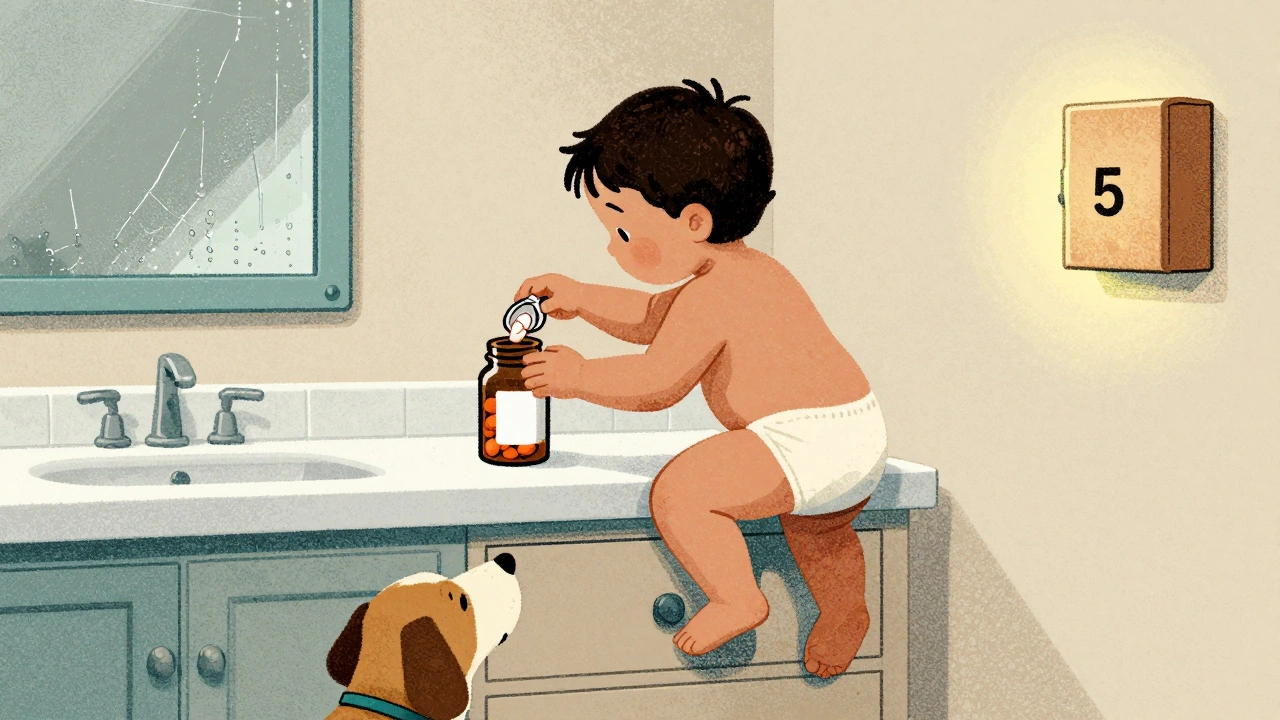
When you store your medicines in a locked medicine cabinet, a secure, access-controlled storage unit designed to prevent unauthorized use of prescription drugs. Also known as a childproof medicine cabinet, it’s not just a good habit—it’s a critical step in preventing accidental poisonings, teen abuse, and theft of controlled substances. The CDC reports that over 60,000 emergency room visits each year in the U.S. are due to medication errors involving children under six. Most of these happen because pills were left out in the open. A simple lock can stop that.
It’s not just about kids. Opioids, benzodiazepines, and stimulants are among the most commonly stolen medications from homes. A locked medicine cabinet, a secure storage solution that limits access to prescription drugs is often required by law for households with controlled substances, especially if someone in the home is on long-term pain medication. Many states have passed laws requiring safe storage of opioids, and insurance companies sometimes offer discounts for installing one. But even if your state doesn’t require it, the risk isn’t worth skipping.
It’s not just about locking the cabinet—it’s about how you use it. A locked medicine cabinet, a secure storage unit for prescription medications should be placed high, out of reach, and away from humidity like bathrooms. Don’t just lock it and forget it. Regularly check expiration dates—expired pills can lose potency or become unsafe. Use a simple tracker or calendar reminder. And don’t forget to dispose of old meds properly. Flushing them harms the environment; taking them to a pharmacy drop-off is the right move.
Some people think they don’t need one because they don’t have kids. But what about visiting grandchildren? A houseguest who’s been prescribed painkillers? A teenager looking for something to help with stress? These are real scenarios that lead to misuse. A locked medicine cabinet, a secure storage unit for prescription medications isn’t about suspicion—it’s about responsibility.
You’ll find real examples in the posts below: how pharmacy warning labels help you understand what each pill is for, how to track expiration dates before they become dangerous, and why auxiliary stickers on bottles aren’t just decoration—they’re lifesavers. You’ll also see how medication shortages and deprescribing tie into this: if you’re cutting back on pills, you still need to store what’s left safely. Whether you’re managing chronic pain, heart meds, or anxiety drugs, the same rule applies: keep it locked, keep it clean, keep it tracked.
Learn how to safely store medications to protect children and pets from accidental poisoning. Discover where to lock meds, why original packaging matters, and how to prevent deadly mix-ups between human and pet drugs.