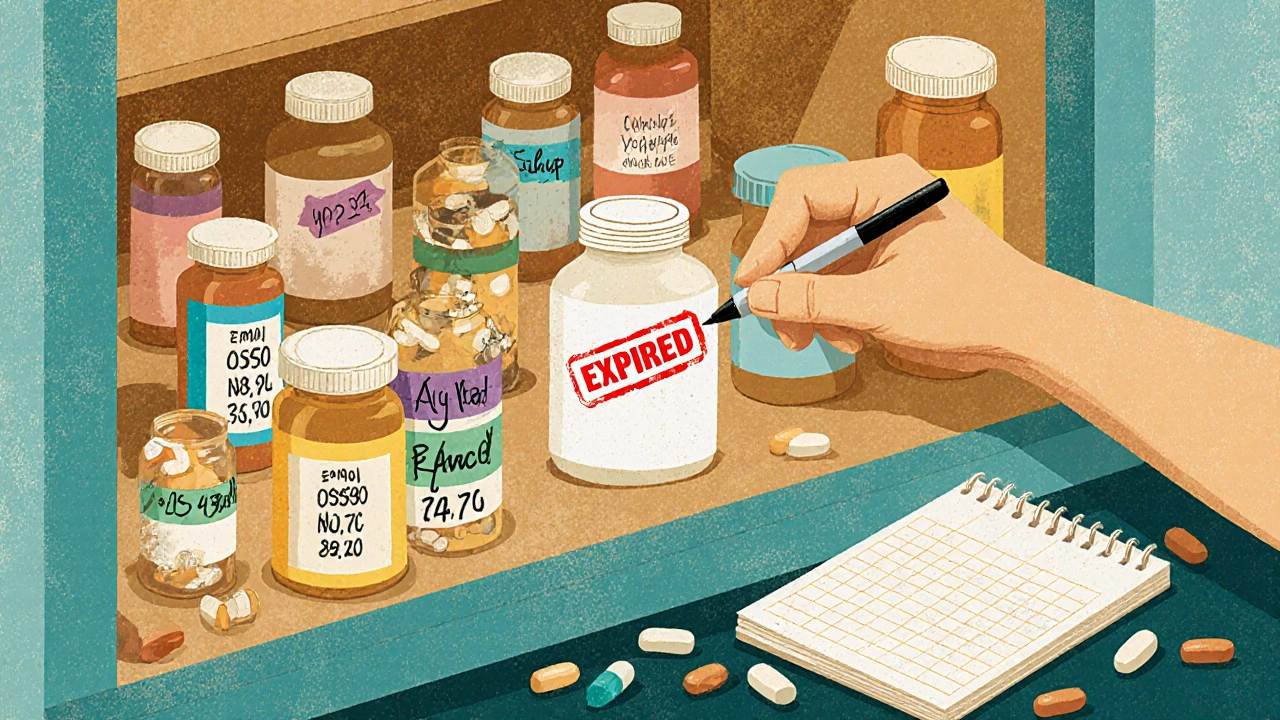
Medication Expiration: What Really Happens When Drugs Go Bad
When you see an expiration date on your medicine, it’s not just a random number—the medication expiration, the date by which the manufacturer guarantees full potency and safety under proper storage. Also known as drug shelf life, it’s based on real testing, not guesswork. That date isn’t when the pill turns toxic—it’s when it might stop working as well as it should. Most pills don’t suddenly become dangerous after that date, but they can lose strength. A study by the FDA found that 90% of expired medications were still effective up to 15 years past their label date, but that doesn’t mean you should take them without thinking.
Why does this matter? Because drug safety, how a medication behaves in your body over time depends on more than just the date. Heat, moisture, and light can break down active ingredients faster than time alone. Keep your insulin in the fridge, your nitroglycerin in its original glass bottle, and your antibiotics away from the bathroom sink. If your pills are sticky, discolored, or smell funny, toss them—no matter what the date says. storage conditions, how you keep your medicine at home matter just as much as the expiration label. A bottle of amoxicillin left in a hot car might be useless by the time you open it, even if it’s weeks from its expiration.
And what about those old bottles in your medicine cabinet? The ones you forgot about after your last infection? expired drugs, medications past their labeled shelf life aren’t always harmful, but they’re unreliable. Taking expired allergy pills might mean your sneezing doesn’t stop. An expired EpiPen could fail in a real emergency. You wouldn’t drive on bald tires just because they’re not torn yet—same logic applies here. The real risk isn’t poison; it’s getting less help than you need when you need it most.
Some medications are more fragile than others. Liquid antibiotics, insulin, eye drops, and nitroglycerin degrade quickly. Tablets and capsules usually hold up longer if kept dry and cool. But if you’re managing a chronic condition—like high blood pressure, diabetes, or heart disease—don’t gamble with old meds. Your body doesn’t care about the date on the bottle; it only responds to the dose it actually gets.
So what should you do? Check your medicine cabinet twice a year. Toss anything expired, damaged, or unrecognizable. Don’t flush most pills—check your local take-back program instead. And if you’re unsure whether a drug is still good, call your pharmacist. They’ve seen it all. You don’t need to be a chemist to keep your meds safe. Just be smart, be consistent, and don’t assume old pills are still strong.
Below, you’ll find real guides on how prescription labels, drug storage, and safety warnings actually work—written by people who’ve seen what happens when people ignore the basics. These aren’t theory pages. They’re the kind of info that keeps you out of the ER.
Learn how to track medication expiration dates in your cabinet with simple, proven methods. Avoid risks from expired pills and keep your medicines safe and effective.