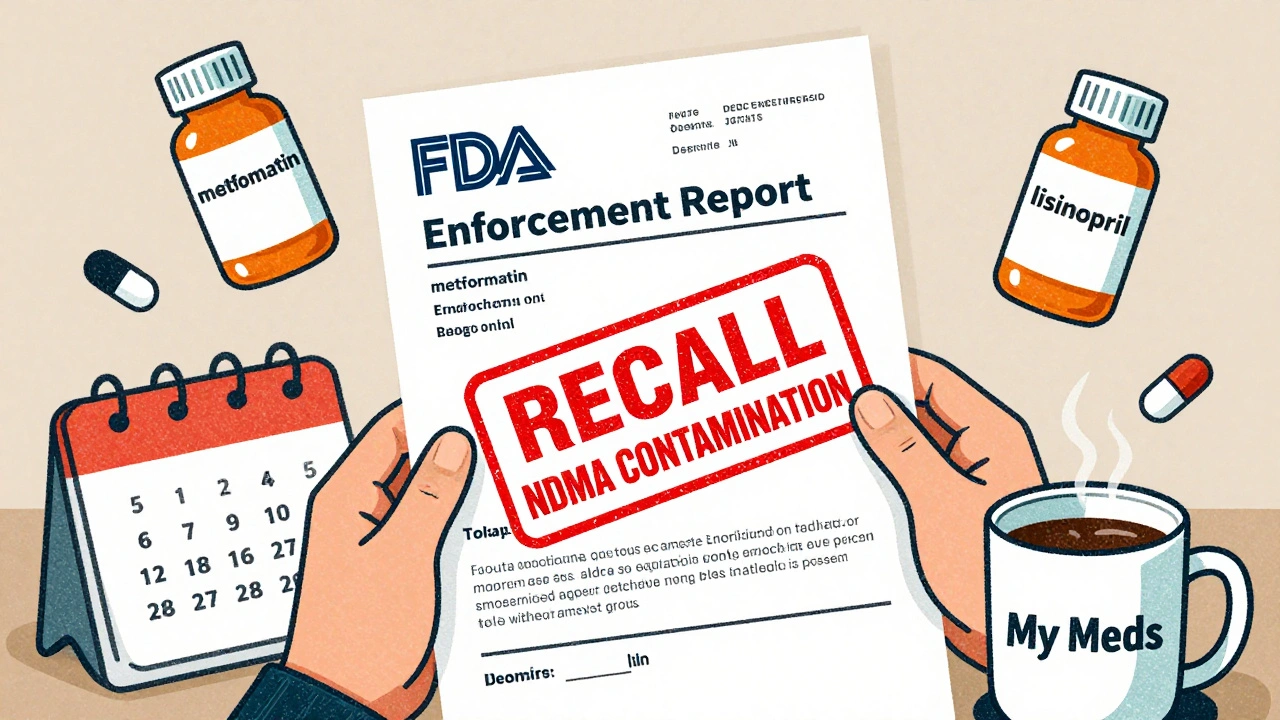
MedWatch Alerts: What You Need to Know About Drug Safety Warnings
When the MedWatch alerts, official safety notifications issued by the U.S. Food and Drug Administration to warn the public about dangerous drugs, labeling errors, or manufacturing defects. Also known as FDA MedWatch, these alerts are the last line of defense when a medication turns out to be riskier than first thought. They’re not routine updates—they’re emergency signals. Every time one drops, it means someone got hurt, or could have, because a drug didn’t behave the way it was supposed to.
These alerts often tie into real-world problems you’ve probably seen in the news: fake Ozempic pills flooding online pharmacies, blood thinners causing deadly bleeds in seniors, or generic drugs that look nothing like the brand name and leave patients confused. The FDA, the federal agency responsible for approving and monitoring medications in the United States doesn’t wait for thousands of injuries to happen before acting. When a pattern emerges—like a spike in liver damage from a new antibiotic or a batch of insulin with wrong dosing—they issue a MedWatch alert. These aren’t just for doctors. They’re for you, the person swallowing the pill every morning.
Behind every alert is a story. Maybe it’s a pharmacy label sticker that got misprinted, leading someone to take double their dose. Or a drug interaction no one caught until an elderly patient fell after mixing warfarin with alcohol. Maybe it’s a generic version that looks different because of trademark rules, and the patient stopped taking it, thinking it wasn’t the right medicine. The auxiliary labels, color-coded warnings on prescription bottles that tell you to take with food, avoid alcohol, or store away from children are part of this system too. They’re meant to prevent the very errors that trigger MedWatch alerts in the first place.
You don’t need to be a pharmacist to understand these warnings. But you do need to know where to look. If your medication suddenly changes color, your doctor mentions a new risk, or you see a headline about a drug recall, check MedWatch. These alerts don’t just list problems—they tell you what to do next: stop taking it, call your doctor, report a side effect. And reporting matters. Every time you file a report through MedWatch, you help the FDA spot trends before more people get hurt.
The system isn’t perfect. Some alerts come too late. Some drugs stay on shelves for years before a hidden danger shows up. But when you understand how MedWatch works, you’re no longer just a passive user of medicine. You become part of the safety net. Below, you’ll find real cases where these alerts matter—how a simple change in pill appearance caused panic, how alcohol turned a blood thinner deadly, and why so many seniors are being prescribed drugs the FDA says they should avoid. These aren’t abstract risks. They’re daily realities. And you have the power to act on them.
Learn how to subscribe to FDA drug safety alerts for recalls, side effects, and medication updates. Free, fast, and essential for patients and providers. Get email alerts for your medications before it's too late.