
Drug Recall Checker
Check if Your Medication is Recalled
Enter your medication name to see if it's currently under recall. This tool uses a simulated database of FDA and EMA recalls.
When a drug is recalled or flagged for safety concerns, it's not just paperwork-it's a critical warning that could protect you from harm. In 2022 alone, the U.S. Food and Drug Administration (FDA)The U.S. federal agency responsible for regulating food, drugs, medical devices, and cosmetics, with a mission to protect public health through drug safety monitoring and recalls issued 127 drug recalls, including one linked to a fungal meningitis outbreak that sickened 753 people across 20 states. These alerts exist because clinical trials can't catch every possible side effect. Drugs are tested on thousands of people, but real-world use involves millions with varying health conditions. That's why systems like the FDA's MedWatch and the European Medicines Agency's EudraVigilance exist-to monitor drugs after they're on the market.
Think of it this way: a drug might work perfectly in a clinical trial with 1,000 participants. But once it's used by 500,000 people, rare side effects-like heart problems or severe allergic reactions-can emerge. The FDA processes over 1.3 million adverse event reports each year. These reports help identify issues that weren't seen during testing. For example, in 2007, the FDA identified rosiglitazone's cardiovascular risks after six years on the market, affecting 600,000 patients annually. Without these systems, many more people would be at risk.
How to Get Drug Safety Alerts in Real-Time
Staying informed is easier than you think. Here's how to set up alerts for your specific needs:
- Sign up for FDA email alerts: The FDA's Drug Safety Communications (DSCs) go out via email to over 457,000 subscribers. Just visit the FDA's website, find the "Drug Safety" section, and enter your email. You'll get updates within hours of new alerts.
- Use the MedWatch app: Available for iOS and Android, the FDA's MedWatch app has over 187,000 downloads. It sends push notifications for urgent recalls and lets you report side effects directly. This is especially useful if you're on the go.
- Check EMA's website for European recalls: If you're in Europe, the European Medicines Agency (EMA) publishes alerts on their site. Their EudraVigilance system contains over 25 million reports and issues alerts for drugs sold in EU countries. The EMA processes about 700,000 new reports quarterly.
- Subscribe to WHO's VigiBase: The World Health Organization's global database has over 35 million case reports. Their VigiAccess app lets you search public reports and get updates for drugs used worldwide.
Health Canada also has a Canada Vigilance Program for Canadians. Each system has its own strengths. The FDA is fastest for U.S. issues-92% of urgent alerts are issued within 30 days of detection. The EMA, however, offers more detailed post-market studies, with 127 ongoing in 2023 versus the FDA's 43. For global coverage, WHO's VigiBase is unmatched, but it works best when combined with regional systems.
What to Do When a Drug Recall Happens
Seeing a recall notice can be scary, but panic isn't helpful. Here's what to do step by step:
- Check the drug name and manufacturer: Recalls often target specific batches or manufacturers. Look for lot numbers or expiration dates on your medication. For example, in 2022, a recall of compounded drugs affected only certain batches from one pharmacy.
- Contact your pharmacist: Pharmacists have access to recall databases and can confirm if your medication is affected. They can also provide safe alternatives if needed. Over 83% of hospital pharmacists now use customized alert systems to avoid missing critical recalls.
- Don't stop taking medication abruptly: Some drugs (like blood pressure or antidepressants) need to be tapered off. Stopping suddenly can be dangerous. Always consult your doctor before changing your regimen.
- Report side effects: If you experience a reaction, report it through MedWatch or your country's system. The FDA received over 21,000 consumer reports in 2022-your input helps improve safety monitoring.
Real-world example: In May 2023, the FDA issued a Drug Safety Communication about ADHD stimulants requiring Boxed Warning updates. Patients on these medications were told to contact their doctors immediately. But many ignored the alert due to "alert fatigue"-a phenomenon where healthcare providers receive too many notifications and start dismissing them. A 2023 Medscape poll found 68% of physicians ignore drug safety alerts because they're too frequent. This highlights why personalized alert systems are crucial.
Common Mistakes People Make with Drug Alerts
Even with access to alerts, mistakes happen. Here are the top pitfalls to avoid:
- Ignoring alerts because they're "too frequent": Clinicians receive up to 67 drug safety alerts weekly, but only 12% are urgent. Solutions like Kaiser Permanente's tiered system (Critical, Important, Informational) cut override rates from 91% to 37%.
- Not verifying with a professional: A Pew Research study found only 12% of U.S. adults know how to report adverse reactions. Always check with your pharmacist or doctor before making changes.
- Assuming recalls mean the drug is unsafe for everyone: Recalls often target specific populations or batches. For example, a 2022 recall of certain diabetes drugs only affected patients with kidney issues.
- Ignoring supplement recalls: The FDA regulates dietary supplements differently, with only 12 safety alerts issued in 2022 despite 2,750 adverse event reports. Always check supplement recalls separately.
Dr. Jerry Avorn, a Harvard Medical School professor, noted in a 2022 Health Affairs article that "alert fatigue has rendered 65% of drug safety alerts clinically irrelevant to individual practitioners." This isn't your fault-it's a system flaw. The key is to filter alerts to what matters for you.
How to Verify Recall Information
Not all alerts are created equal. Social media can spread misinformation-like the 2023 rumor that a popular blood pressure medication was recalled when it wasn't. Always check official sources before acting. The FDA's website has a dedicated Recalls page with searchable databases. For European drugs, the EMA's website lists all safety alerts. Health Canada's Recall and Safety Alerts page is another reliable source. Avoid relying on news outlets alone; they often report delays. For example, a 2022 recall of diabetes drugs was first announced via the FDA's email list, but major news outlets only picked it up 48 hours later. When in doubt, contact your pharmacist directly-they have real-time access to recall databases.
Real Stories: When Alerts Made a Difference
Drug safety alerts aren't just paperwork-they save lives. Here's how:
- PharmD_Jane's Reddit post: In September 2023, a pharmacist shared on r/medicine how an FDA alert about lurasidone's serotonin syndrome risk prevented a dangerous drug interaction. "It saved me from a potential disaster last week," she wrote, with 247 upvotes.
- 2022 fungal meningitis outbreak: A compounded drug recall was issued after 753 patients across 20 states got sick. This led to stricter regulations for compounding pharmacies, preventing future outbreaks.
- Global vaccine safety monitoring: During the pandemic, WHO's VigiBase tracked over 4 million adverse event reports. This data helped adjust vaccine recommendations in real-time for vulnerable populations.
These stories show why staying informed matters. But it's not just about the big recalls-small, consistent vigilance prevents problems before they escalate.
Why Drug Safety Systems Need Your Help
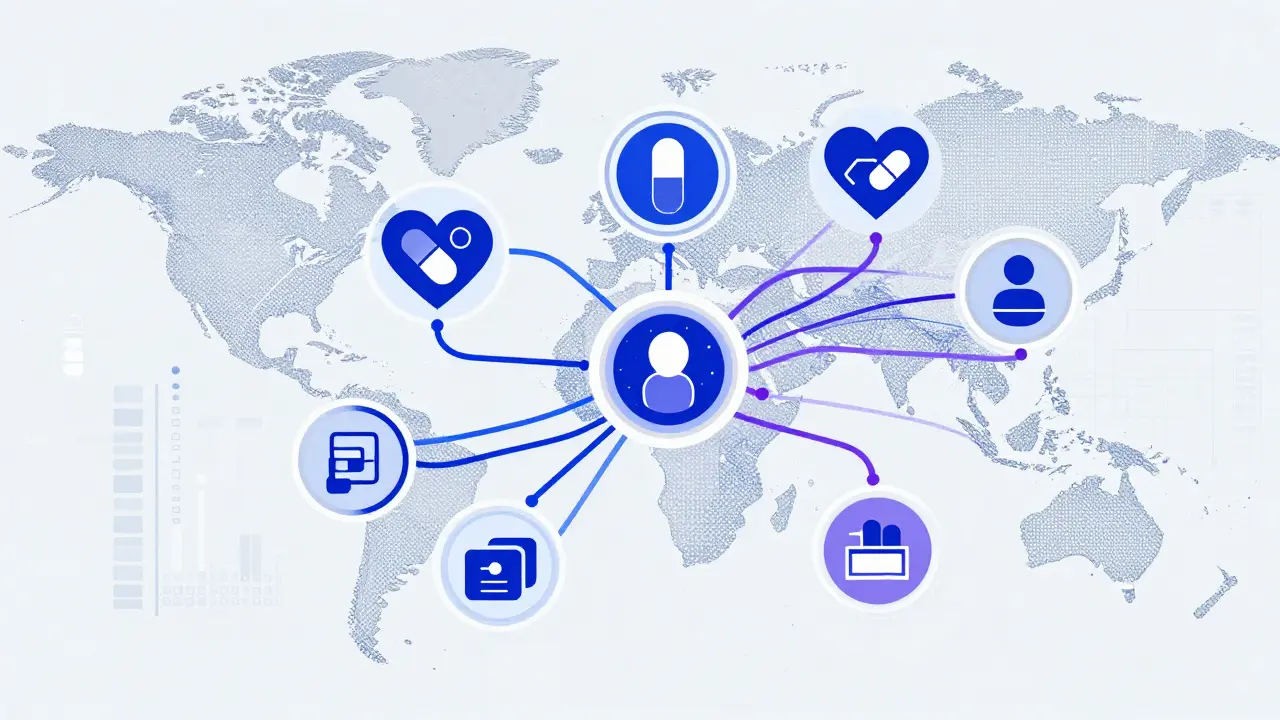
Drug safety systems rely on reports from people like you. The FDA estimates that 94% of serious adverse events go unreported. Why? Many patients don't know how to report, or think their experience isn't important. But every report matters. For instance, a single report of a rare heart issue from a patient led to the 2023 Boxed Warning update for ADHD stimulants. Healthcare professionals also play a role-doctors, nurses, and pharmacists report 85% of adverse events. The more data these systems collect, the faster they can identify risks. If you experience a side effect, take 5 minutes to report it. It's quick, free, and could save someone else's life.
Frequently Asked Questions
How often are drug recalls issued?
The FDA issues about 120-150 drug recalls annually, with a 17% increase in 2022 compared to 2021. The European Medicines Agency issues around 80-100 safety alerts yearly. These numbers vary based on emerging risks, but the systems are designed to respond quickly-92% of urgent FDA alerts are issued within 30 days of detection. In 2022, the FDA issued 127 drug recalls, including 31 related to compounded drugs following the fungal meningitis outbreak that affected 753 patients across 20 states.
What's the difference between a drug recall and a safety alert?
A drug recall means a specific product is removed from the market due to safety issues-like contaminated batches or manufacturing errors. A safety alert warns about potential risks without removing the product. For example, the FDA's 2023 alert on ADHD stimulants required updated warnings but didn't recall the drugs. Recalls are more urgent, while alerts provide ongoing monitoring information.
How do I report a side effect?
In the U.S., use the FDA's MedWatch portal (online or via the app) or call 1-800-FDA-1088. In Europe, report to your national authority via EudraVigilance. For global reporting, WHO's VigiBase accepts reports from 155 countries. Healthcare professionals can also submit reports through their EHR systems. Remember: your report helps improve drug safety for everyone.
Can I trust drug safety alerts?
Yes-but with context. Alerts are based on rigorous data analysis. For example, the FDA's AI-powered Drug Safety Sentinel System analyzes 1.2 billion patient records to detect risks 40% faster than before. However, not all alerts apply to every patient. A 2023 JAMA study found that 70-80% of serious safety issues are detected within five years of approval, but some risks only emerge later. Always discuss alerts with your healthcare provider to understand how they affect you personally.
Why do some alerts seem too frequent?
Alert fatigue is real. Clinicians receive an average of 67 drug safety alerts weekly, but only 12% are urgent. This happens because systems sometimes send generic notifications for minor issues. Solutions include customizing alerts for your specific needs-like filtering by drug type or risk level. Hospitals that do this, like Kaiser Permanente, reduced alert overrides from 91% to 37% by categorizing alerts as Critical, Important, or Informational. For consumers, sticking to official email subscriptions (like FDA's DSC list) cuts down unnecessary noise.
What's new in drug safety monitoring for 2026?
The FDA launched its AI/ML-based Drug Safety Sentinel System in January 2023, which analyzes 1.2 billion patient records to identify safety signals 40% faster than previous methods. The WHO expanded VigiFlow to include 45 additional countries in May 2023, increasing global coverage to 155 nations. The EMA's PRAC published updated signal management guidelines on July 12, 2023 requiring pharmaceutical companies to implement real-world evidence monitoring for high-risk drugs. Future developments include the FDA's planned integration of social media monitoring into its safety surveillance (pilot phase began September 1, 2023), which will analyze 15 million health-related social media posts monthly for potential safety signals.
What's Next for Drug Safety Monitoring?
Technology is making drug safety monitoring smarter. In January 2023, the FDA launched an AI system that analyzes 1.2 billion patient records to detect risks 40% faster. The WHO expanded VigiFlow to 155 countries in May 2023, and social media monitoring is now part of the FDA's pilot program. However, funding gaps remain-the FDA's Office of Surveillance needs $47 million more for planned upgrades in 2024. As personalized medicine grows, continuous safety monitoring will become even more critical. For now, staying informed through these systems is your best defense.




Diana Phe
Big Pharma owns the FDA. They hide recalls to protect profits. Always verify information yourself.