Pet Medication Safety: What Every Owner Needs to Know
When it comes to pet medication safety, the practice of correctly administering, storing, and monitoring drugs given to animals to prevent harm. Also known as veterinary drug safety, it’s not just about giving the right pill—it’s about avoiding deadly mistakes that happen every day in homes across the country. Dogs and cats don’t tell us when something feels off. A single human painkiller like ibuprofen can cause kidney failure in a dog. A cat given even a small amount of acetaminophen can die within hours. These aren’t rare cases—they’re preventable tragedies.
Pet poison prevention, a set of actions to stop accidental or intentional exposure to toxic substances in animals. Also known as toxic exposure control, it starts with knowing what’s in your medicine cabinet. Human medications are the top cause of pet poisonings, according to the ASPCA. But it’s not just pills—essential oils, antifreeze, even certain plants like lilies can kill a cat. And it’s not just about keeping drugs out of reach. Pets are smart. They’ll chew through containers, dig through trash, or snatch a dropped pill while you’re not looking.Pet drug interactions, harmful effects that occur when two or more medications are given together and their combined effect becomes dangerous. Also known as veterinary drug conflicts, they’re often missed because owners don’t tell the vet about every supplement or over-the-counter product they’re giving their pet. A flea treatment mixed with an anti-inflammatory can trigger seizures. A heart medication combined with a common antihistamine can crash blood pressure. These aren’t theoretical risks—they show up in emergency vet clinics every week.
That’s why pet overdose, the accidental or intentional administration of a toxic amount of a drug to an animal. Also known as medication toxicity in pets, is one of the most urgent issues in veterinary care. It’s not always a mistake. Sometimes it’s desperation—giving extra pain meds because your dog won’t stop whimpering. Sometimes it’s ignorance—thinking "a little bit won’t hurt" because it worked for you. But pets metabolize drugs differently. Their livers and kidneys aren’t built for human doses. And by the time you see symptoms—vomiting, lethargy, tremors—it’s often too late to reverse the damage.
You don’t need to be a vet to keep your pet safe. You just need to know three things: never give human meds without asking, always check with your vet before mixing anything, and keep all medications locked up and out of reach. The posts below cover real cases, common mistakes, and simple steps you can take today. You’ll find out what to do if your dog eats a pill, which human drugs are most dangerous, how to read prescription labels for pets, and why those little pharmacy stickers matter just as much for your cat as they do for you. This isn’t theory. It’s what keeps pets alive.
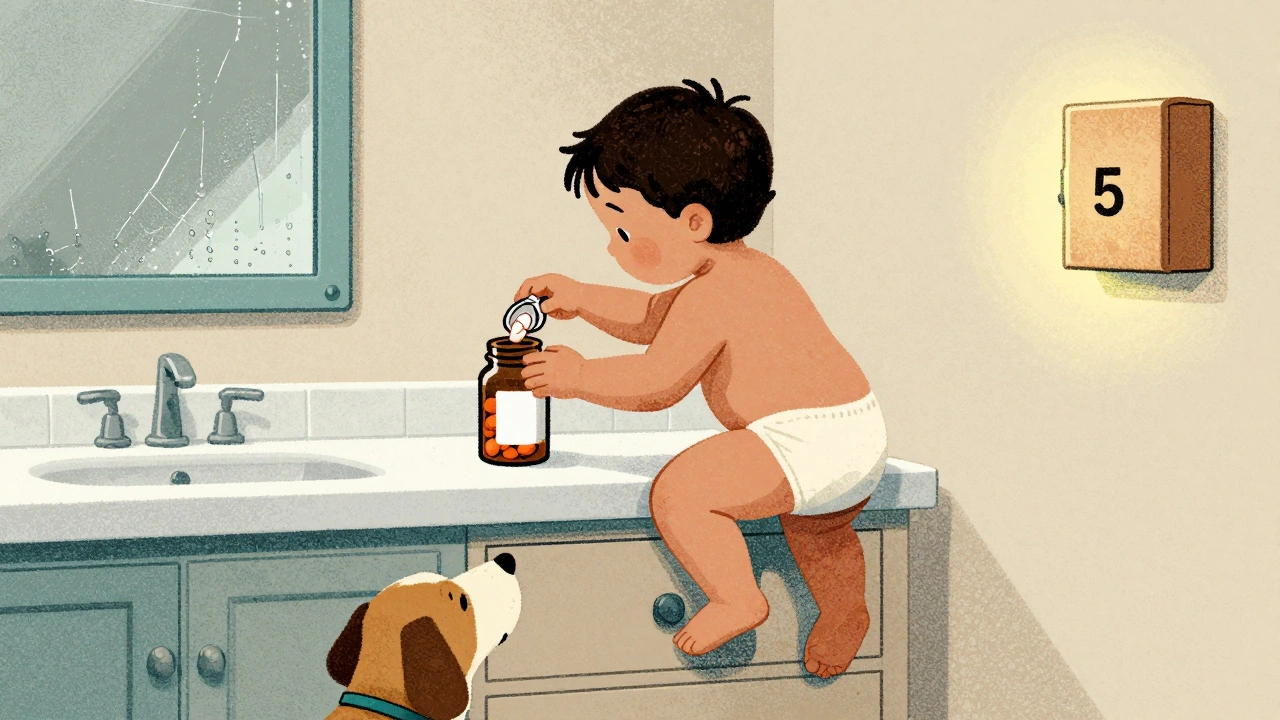
Learn how to safely store medications to protect children and pets from accidental poisoning. Discover where to lock meds, why original packaging matters, and how to prevent deadly mix-ups between human and pet drugs.