Pharmacy CE Requirements: What You Need to Know to Stay Licensed
When you’re a licensed pharmacist, pharmacy CE requirements, mandatory continuing education rules that ensure pharmacists stay current on medications, regulations, and patient safety practices. Also known as continuing education for pharmacists, these rules aren’t just paperwork—they’re how you keep your license active and your patients safe. Every state sets its own rules, but they all boil down to the same thing: you must prove you’re learning, not just practicing. Skip a year, miss a credit, and you could face fines, suspension, or worse—losing your ability to dispense meds.
Most states require CE credits, units earned by completing approved courses on topics like drug interactions, controlled substances, or immunizations every one to two years. The typical range? Between 15 and 30 hours, with some states requiring specific hours in law, ethics, or opioid safety. For example, California wants 30 hours every two years, including 3 hours in pharmacotherapy. Texas requires 30 hours too, but 1 hour must be on controlled substances. And don’t assume your hospital training counts—unless it’s from an ACPE-accredited provider, it won’t fly. The state pharmacy board, the government agency that regulates pharmacy practice and enforces CE rules in each state is the final authority. They don’t care if you took a webinar on statins last Tuesday—only if it was approved and logged properly.
It’s not just about ticking boxes. The best CE isn’t the cheapest or the easiest—it’s the kind that actually changes how you work. Think about it: if you’re giving out a new diabetes med, do you know the latest ADA guidelines? If a patient asks about a drug interaction with their supplement, can you answer without Googling? That’s what CE is for. The posts below cover real-world issues pharmacists face daily: decoding prescription label warnings, understanding the Beers Criteria for older adults, tracking expiration dates, and navigating drug safety in pregnancy. These aren’t just random articles—they’re the kind of practical, up-to-date knowledge that shows up on CE exams and in your daily practice. You’ll find guides on how to avoid common compliance mistakes, what topics are most likely to be tested, and how to pick CE that actually sticks. No fluff. No sales pitches. Just what you need to stay licensed, stay sharp, and keep your patients protected.
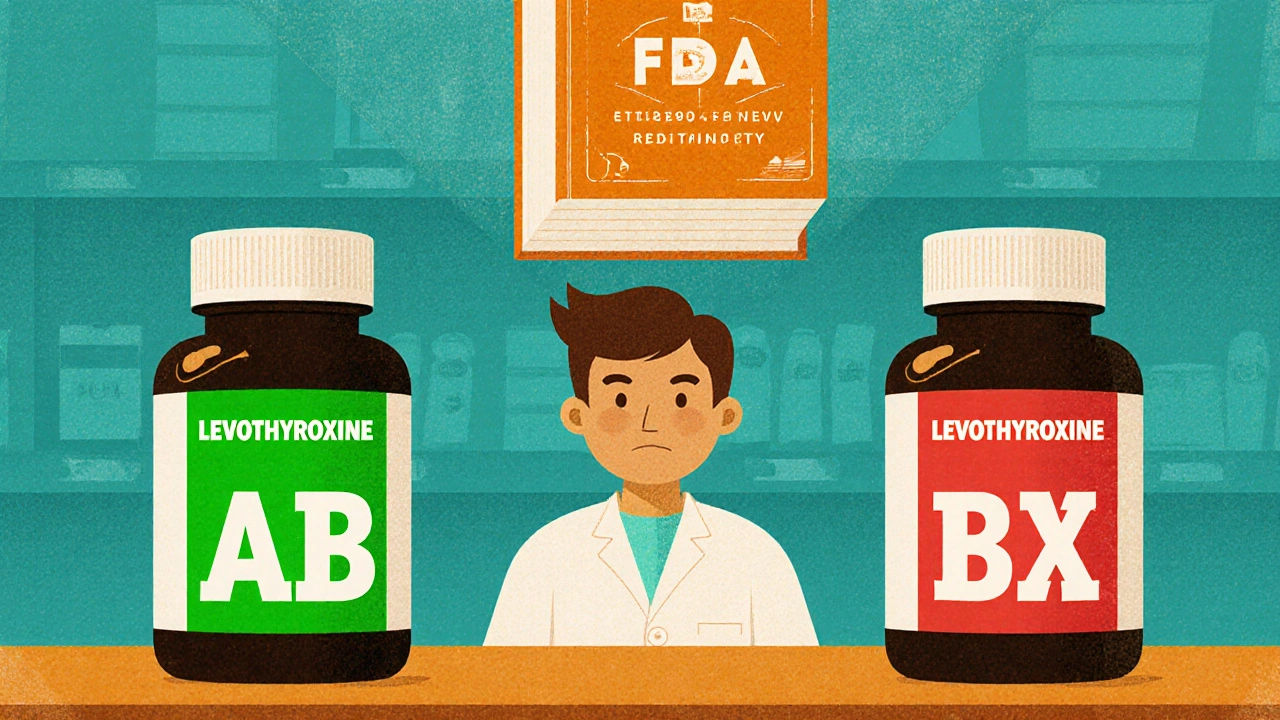
Pharmacists must stay updated on generics to ensure safe substitutions, comply with state laws, and avoid malpractice. Learn what CE is required, how to choose effective courses, and what’s changing in 2025.