Pharmacy Warning Labels: What They Mean and Why They Matter
When you pick up a prescription, the small stickers on the bottle aren’t just decoration—they’re pharmacy warning labels, clear, legally required instructions designed to prevent serious harm from medication misuse. Also known as prescription label warnings, these are the last line of defense between you and a dangerous mistake. Think of them as your pharmacist’s voice speaking directly to you: Don’t crush this pill. Take it with food. Avoid alcohol. Watch for dizziness. Yet most people glance at them once and never look again. That’s risky. A single misunderstood warning can lead to overdose, organ damage, or even death.
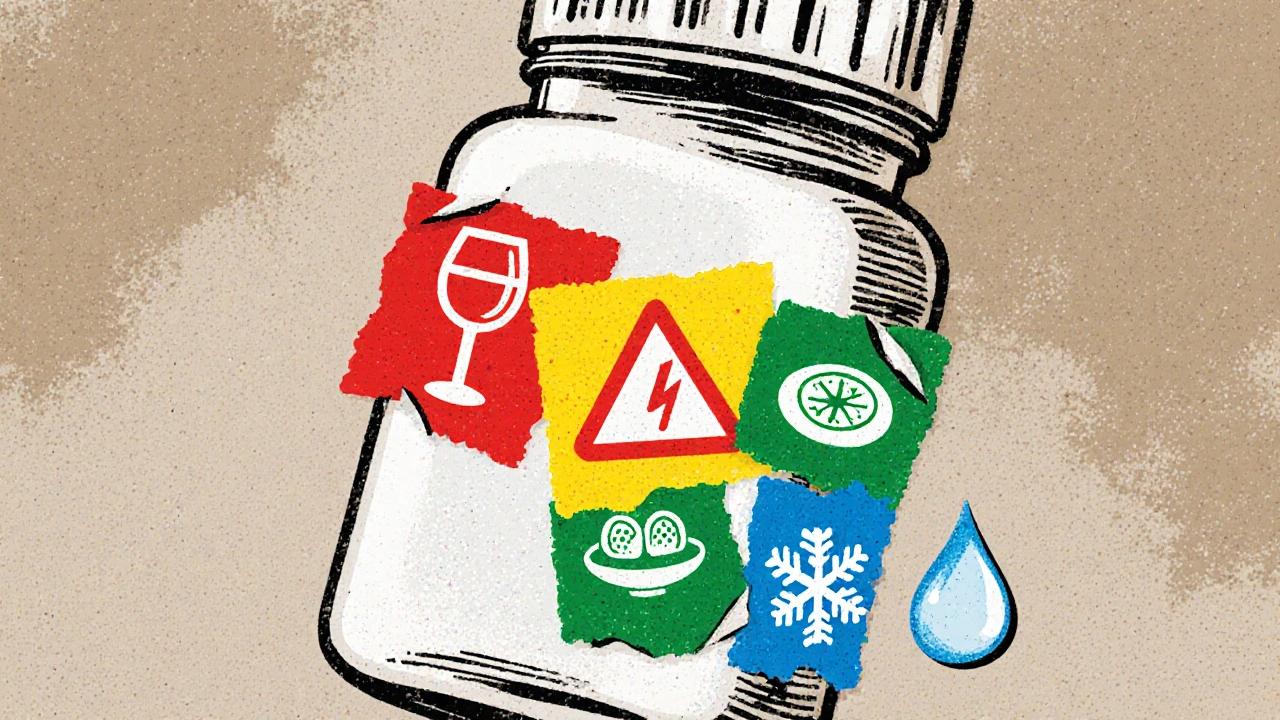
These labels aren’t random. They come from strict FDA guidelines and are shaped by real-world harm. A black box warning, the strongest safety alert the FDA can require appears on drugs like opioids and certain antidepressants, signaling life-threatening risks like addiction or suicidal thoughts. Below that, you’ll find color-coded stickers—red for high-risk interactions, yellow for dosing cautions, green for administration tips. Then there are phrases like do not crush, a direct order to preserve the drug’s timed-release mechanism, or take with food, a simple instruction that can mean the difference between nausea and tolerance. These aren’t suggestions. They’re science-backed rules. Crush a slow-release pill and you get a full dose all at once. Skip food with certain antibiotics and your stomach can’t absorb them. Ignore a drug interaction warning and you could end up in the ER.
The posts below cover exactly what these labels mean in real life—why your blood pressure med needs to be taken at night, why you can’t mix that painkiller with grapefruit juice, how a tiny sticker on your thyroid pill could prevent a heart attack. You’ll find clear breakdowns of black box warnings, what "take with food" actually does to your body, and why some pills must never be split or crushed. These aren’t theoretical warnings—they’re the reason people stay safe, avoid hospital visits, and keep their meds working the way they should. If you take any prescription, you need to know what these labels are telling you. Let’s make sure you’re not missing the most important part of your prescription.
Color-coded auxiliary labels on medication bottles are critical safety tools that warn of interactions, guide usage, and improve adherence. Learn what each color means, why placement matters, and how they prevent thousands of medication errors each year.