Purine Metabolism: How Your Body Processes Purines and Why It Matters
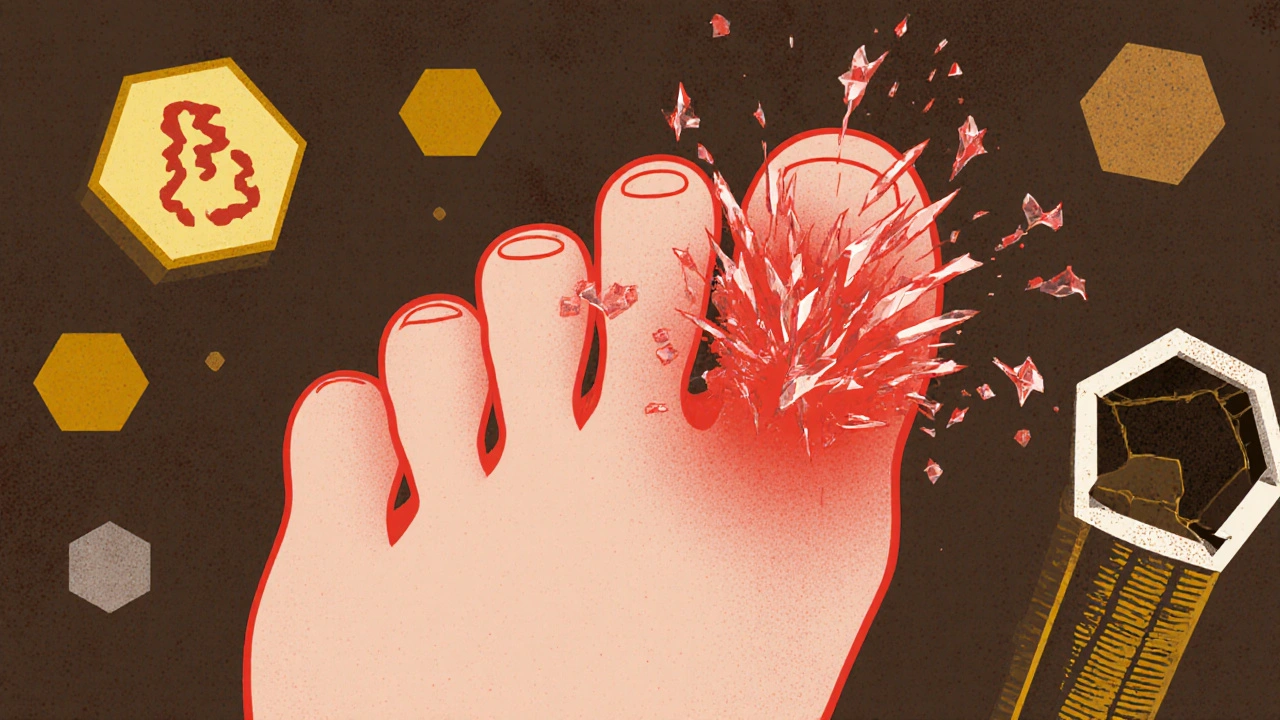
When you eat meat, seafood, or even drink beer, your body breaks down compounds called purines, organic compounds found in cells that break down into uric acid. Also known as nitrogenous bases, they're a normal part of your DNA and energy systems—but when your body makes too much or can't clear it well, trouble follows. This process is called purine metabolism, the biochemical pathway that converts purines into uric acid for excretion. If this system gets out of balance, you’re at risk for gout, a painful form of arthritis caused by uric acid crystals building up in joints, or hyperuricemia, the medical term for high levels of uric acid in the blood.
Purine metabolism isn’t just about diet. It’s controlled by enzymes like xanthine oxidase, the key enzyme that turns purines into uric acid. Some people inherit genetic variations that make this enzyme overactive, while others have kidneys that don’t flush out uric acid efficiently. Medications like allopurinol and febuxostat work by blocking this enzyme, which is why they’re used to treat gout. But it’s not just drugs—things like alcohol, fructose-sweetened drinks, and even fasting can spike uric acid levels. You might not realize it, but your liver, kidneys, and gut all play roles in this quiet, daily process.
What’s surprising is how often purine metabolism shows up in unexpected places. It’s linked to kidney stones, high blood pressure, and even how some cancer drugs work. Chemotherapy can kill off fast-growing cells, releasing tons of purines all at once—leading to a dangerous surge in uric acid called tumor lysis syndrome. That’s why doctors monitor uric acid levels during cancer treatment. Meanwhile, people with chronic kidney disease often struggle with gout because their kidneys can’t keep up. Even some antidepressants and diuretics can interfere with how uric acid is cleared. This isn’t just a "gout thing"—it’s a whole-body system that touches your joints, your kidneys, your heart, and your meds.
Below, you’ll find real-world guides on how medications, diet, and health conditions connect to this process. Whether you’re managing gout, wondering why your doctor ordered a uric acid test, or just trying to understand why certain foods are off-limits, the posts here cut through the noise. No fluff. Just clear connections between what you eat, what your body does with it, and how it impacts your health.
Gout is caused by uric acid crystals from disrupted purine metabolism. Learn how allopurinol, febuxostat, and other urate-lowering drugs work, why most patients fail treatment, and what actually helps control this painful condition.