Save on Prescriptions: How to Cut Drug Costs Without Sacrificing Care
When you need medication, the last thing you want is to choose between paying for it or paying your rent. Save on prescriptions, the practice of reducing out-of-pocket costs for medications through legal, safe methods. Also known as prescription savings, it’s not about skipping meds—it’s about getting the same results for less. Millions of Americans face this every month, and it’s not just about brand-name drugs. Even generics can cost hundreds when you’re uninsured or underinsured. The good news? There are proven ways to lower those bills without cutting corners on safety or effectiveness.
One of the biggest levers is generic drugs, medications that contain the same active ingredients as brand-name versions but cost up to 85% less. Also known as therapeutic equivalents, they’re held to the same FDA standards. Yet many people still reach for the name brand because they don’t realize it’s the same pill inside. Then there’s pharmacy discounts, programs like GoodRx, SingleCare, or manufacturer coupons that can slash prices at major chains. Also known as prescription savings cards, they work even if you have insurance. Some people don’t even check them because they assume their insurance is the best deal—until they see the cash price is lower. And don’t overlook patient assistance programs, free or low-cost drug programs offered by pharmaceutical companies for those with low income. Also known as PAPs, they’re often overlooked but can cover entire months of treatment. These aren’t charity cases—they’re designed for real people who just can’t afford their meds.
It’s not just about where you buy. It’s about how you buy. Buying a 90-day supply instead of 30-day refills often cuts the per-pill cost. Some pharmacies offer $4 lists for common generics—like metformin, lisinopril, or atorvastatin. And if you’re on a long-term medication, talk to your doctor about switching to a lower-cost alternative. Not every drug has a cheaper option, but many do. You’d be surprised how often a $200 monthly pill has a $10 generic cousin that works just as well.
Below, you’ll find real, actionable guides on how to navigate medication shortages, understand pharmacy labels that protect you, compare generic alternatives, and use legal tools to keep your prescriptions affordable. These aren’t theoretical tips—they’re tactics people are using right now to stretch their budgets without risking their health.
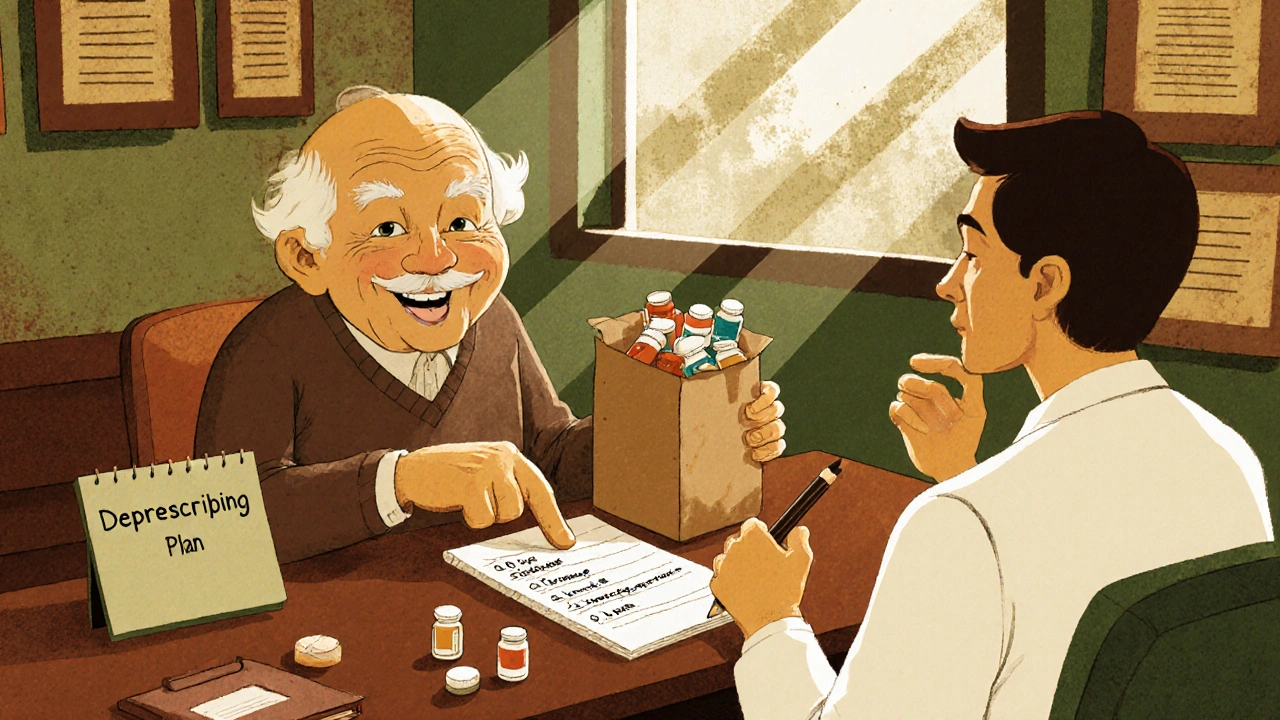
Learn how to work with your doctor to safely stop unnecessary medications, reduce side effects, and save hundreds or thousands of dollars a year on prescriptions through deprescribing.