Track Medicine Dates: Stay Safe and Stay on Schedule
When you’re taking multiple medications, track medicine dates, the practice of monitoring when to start, stop, or refill each drug to avoid errors and ensure safety. Also known as medication scheduling, it’s not just about remembering to take your pills—it’s about preventing dangerous mix-ups, expired drugs, and missed refills that can land you in the hospital. Many people think they can remember their regimen, but studies show over 50% of adults miss at least one dose a week. That’s not laziness—it’s a system failure. Your brain isn’t built to juggle ten different schedules, expiration dates, and special instructions like "take on empty stomach" or "avoid sunlight."
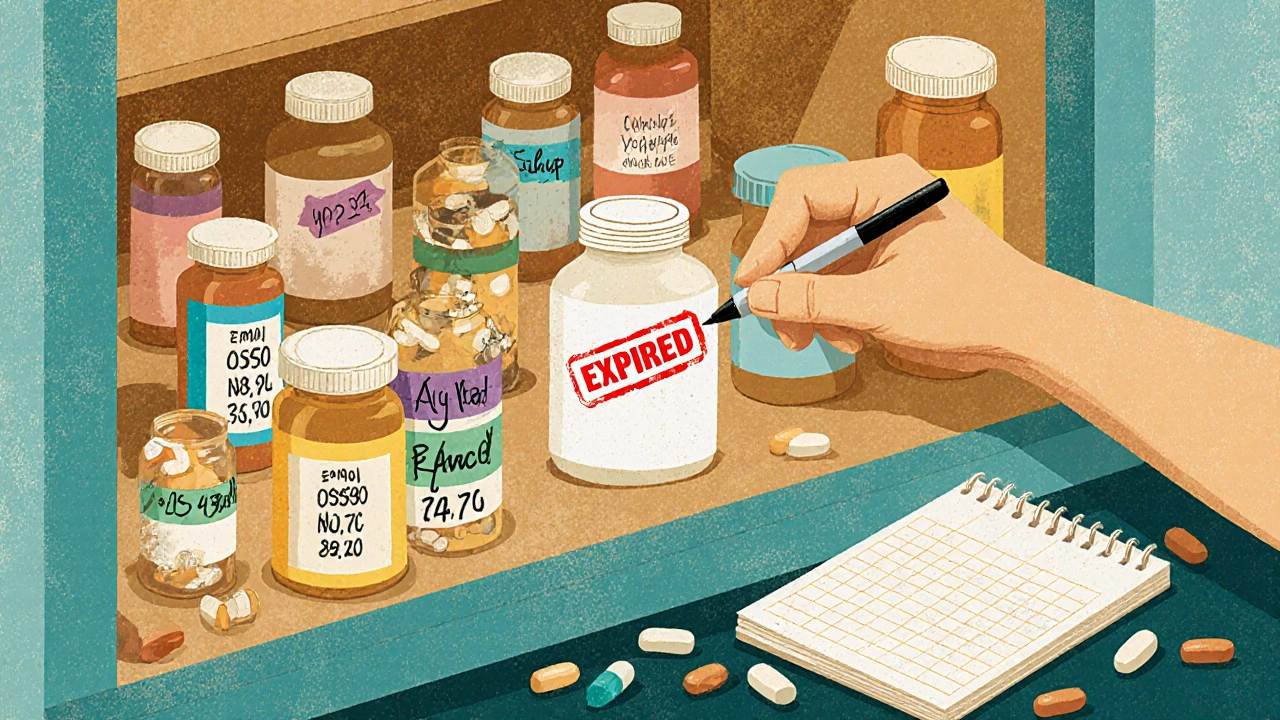
That’s where pill organizers, physical or digital tools designed to sort medications by day and time. Also known as medication trays, they’re not just for seniors—anyone on more than three daily drugs benefits from them. A simple seven-day box with morning and night slots cuts confusion in half. But even the best organizer won’t help if you don’t track expiration dates, the official end-of-safety window for each medication, often printed on the bottle or label. Also known as use-by dates, they matter because pills lose potency and can turn toxic after they expire. That bottle of antibiotics from last winter? It might not kill your infection anymore—and could make you sicker. Same goes for insulin, epinephrine, or seizure meds. Outdated doesn’t mean "a little weaker." It means "useless or dangerous."
And don’t forget prescription refills, the process of getting more of your medication before you run out, often requiring doctor approval or pharmacy coordination. Also known as medication renewals, they’re the silent gap where people fall off track. You’re not lazy—you’re overwhelmed. A refill reminder isn’t a luxury; it’s a safety net. Missing one can mean going days without your blood pressure drug, thyroid med, or antidepressant—and that’s when symptoms crash back hard.
Some of the posts here show how people got burned by ignoring these basics. One person took expired allopurinol for gout and ended up in the ER with a flare-up. Another mixed up loratadine and desloratadine because they didn’t check the labels, and felt foggy for days. Someone skipped their tacrolimus dose because they didn’t track the refill date—and nearly lost their transplant. These aren’t rare mistakes. They’re predictable ones.
Here’s what you’ll find in this collection: real stories about how people fixed their medication chaos. You’ll learn how to use free phone apps to auto-remind you, how to read those tiny print on prescription stickers, why some meds need special storage, and how to talk to your pharmacist about refill timing. No fluff. No theory. Just what works when you’re tired, busy, or scared you’re doing it wrong.
Learn how to track medication expiration dates in your cabinet with simple, proven methods. Avoid risks from expired pills and keep your medicines safe and effective.