
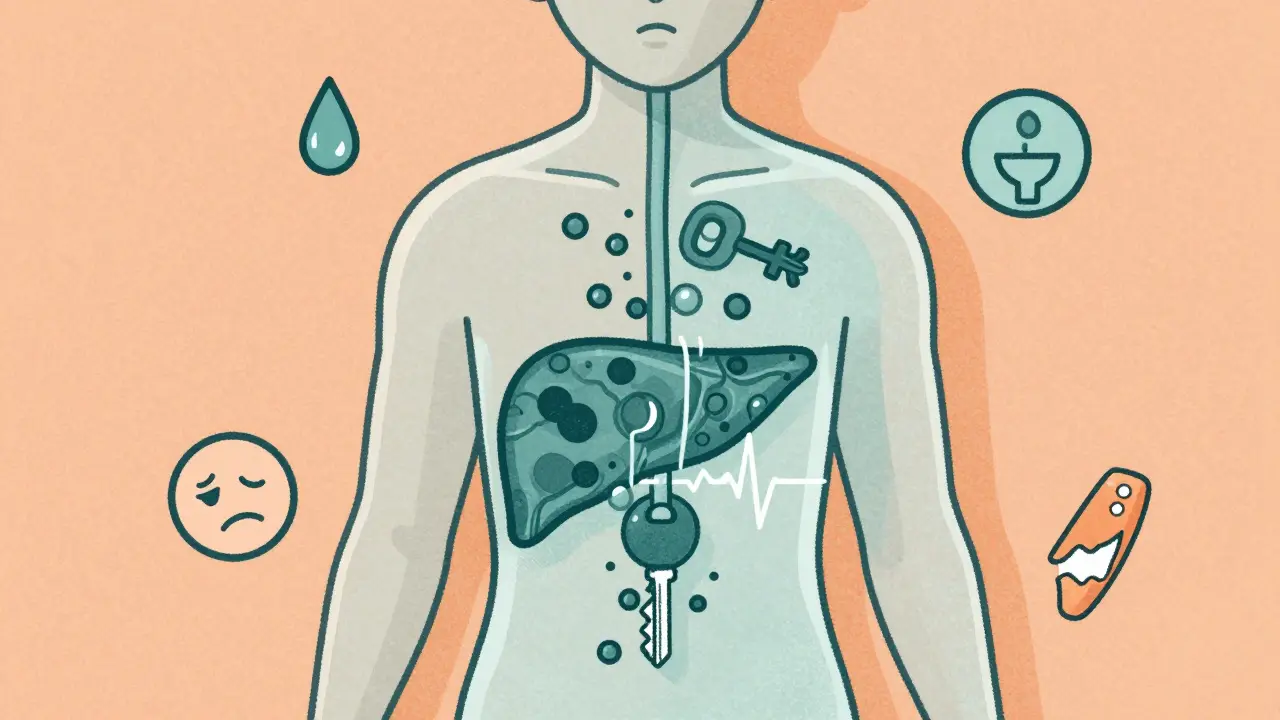
Many people don’t realize they have type 2 diabetes until something serious happens - a heart attack, a slow-healing cut, or a routine blood test that shows high sugar levels. That’s because the symptoms creep in slowly, often unnoticed for years. By the time they’re diagnosed, the body has already been struggling with too much glucose in the blood, and the pancreas has been working overtime just to keep up. This isn’t just about sugar. It’s about how your body handles fuel, and what happens when that system breaks down.
What Actually Happens in Type 2 Diabetes?
Type 2 diabetes isn’t caused by eating too much sugar alone. It’s a breakdown in how your body uses insulin - the hormone that acts like a key to unlock your cells and let glucose (sugar) in for energy. In a healthy body, insulin signals muscle, fat, and liver cells to take in glucose from the bloodstream. In type 2 diabetes, those cells stop listening. This is called insulin resistance. At first, the pancreas tries to compensate by pumping out more insulin - sometimes two or three times the normal amount. But over time, the insulin-producing cells get worn out. They can’t keep up, and blood sugar starts climbing.
This process doesn’t happen overnight. It can take years. That’s why so many people live with it without knowing. The National Institute of Diabetes and Digestive and Kidney Diseases (NIDDK) estimates that about 15-20% of people with type 2 diabetes show no symptoms at all when first diagnosed. They only find out after complications show up - like nerve damage, kidney problems, or vision loss.
Common Symptoms You Might Be Ignoring
If you’ve been feeling off lately, here’s what to look for:
- Constant thirst - Drinking more water than usual, even if you’re not exercising. This happens because high blood sugar pulls fluid from your tissues, making you dehydrated.
- Frequent urination - Your kidneys work harder to filter out excess sugar, leading to more trips to the bathroom, especially at night.
- Unexplained weight loss - Even if you’re eating more, your body can’t use glucose for energy, so it starts breaking down muscle and fat instead.
- Always hungry - Your cells aren’t getting the fuel they need, so your brain keeps signaling for more food.
- Extreme fatigue - When your cells are starved of glucose, you feel drained, even after a full night’s sleep.
- Blurred vision - High sugar levels cause fluid shifts in the lens of your eye, making it hard to focus.
- Slow-healing cuts or sores - High glucose impairs blood flow and weakens your immune response.
- Recurrent infections - Yeast infections, urinary tract infections, or skin infections that keep coming back are red flags.
- Tingling or numbness in hands or feet - This is nerve damage from prolonged high blood sugar, called diabetic neuropathy.
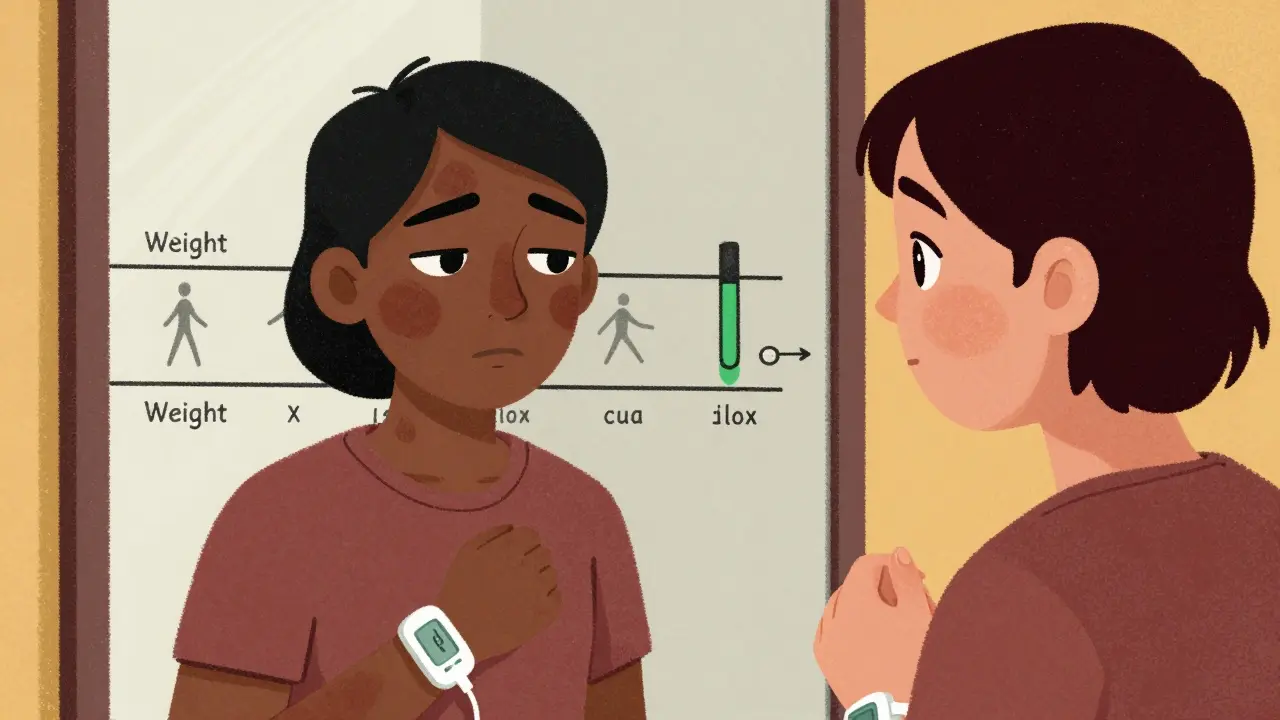
- Dark, velvety patches on skin - Especially around the neck, armpits, or groin. This is called acanthosis nigricans and is a visible sign of insulin resistance.
Not everyone gets all of these. Some people notice just one or two. Others feel fine - until they don’t.
Why Do People Get Type 2 Diabetes?
It’s not just one thing. It’s a mix of genetics, lifestyle, and environment.
Obesity is the biggest trigger. People with a BMI over 30 are 80 times more likely to develop type 2 diabetes than those with a BMI under 22. Fat, especially around the abdomen, releases chemicals that interfere with insulin signaling. It’s not about being “lazy” - it’s about how fat tissue changes your body’s chemistry.
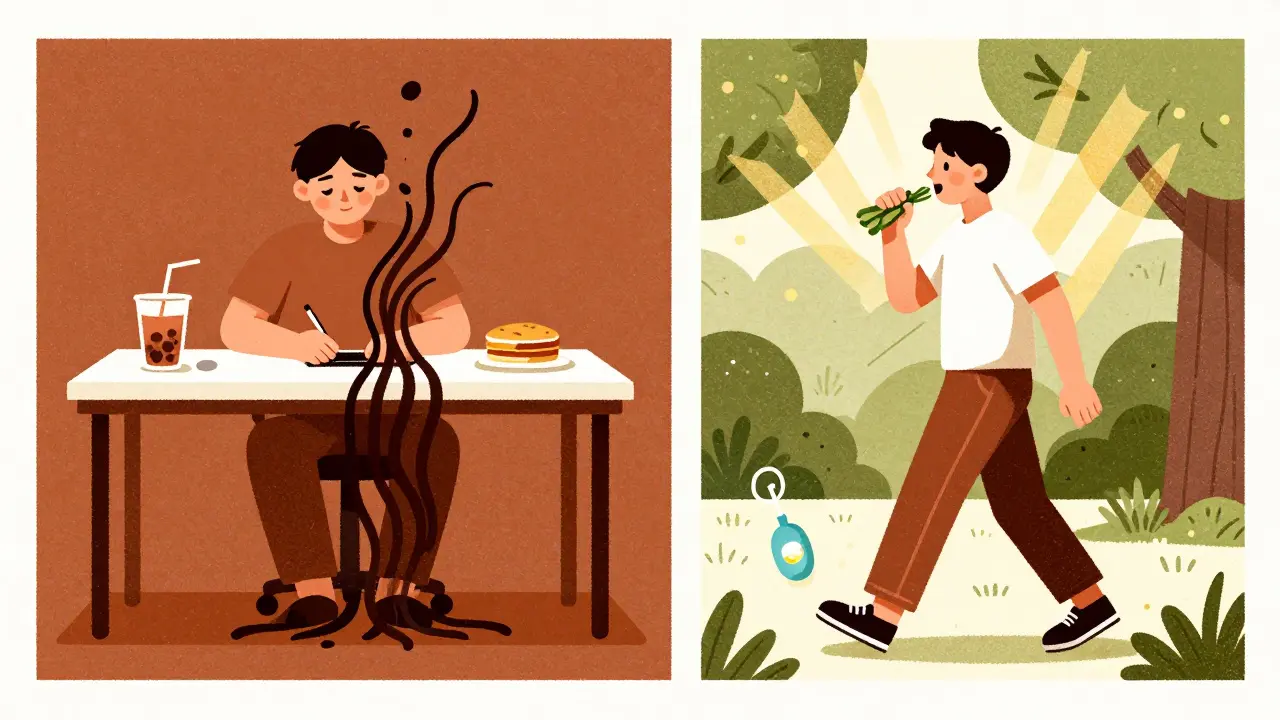
Lack of movement makes it worse. Physical activity helps your muscles use glucose without insulin. If you sit all day, your body loses that natural ability. The World Health Organization says inactivity contributes to 27% of all type 2 diabetes cases worldwide.
Genetics matter. If a parent or sibling has type 2 diabetes, your risk jumps by 40%. Over 400 gene variants have been linked to increased risk. But genes don’t decide your fate - they just make you more vulnerable.
Age and ethnicity play roles too. Risk climbs after 45. But now, more kids and teens are getting it. In the U.S., over 287,000 people under 20 have been diagnosed. Certain groups face higher risks: Native Americans (14.5%), African Americans (12.1%), Hispanic/Latino Americans (11.8%), and Asian Americans (9.5%) compared to non-Hispanic White Americans (7.4%). These aren’t random numbers - they reflect real differences in access to healthy food, safe spaces to exercise, and quality healthcare.
What Happens If It’s Not Managed?
Left unchecked, type 2 diabetes doesn’t just affect blood sugar. It damages your whole body.
- Heart disease - People with type 2 diabetes have 2 to 4 times higher risk of heart attack or stroke. It’s the leading cause of death in this group.
- Kidney failure - Diabetes causes 44% of new cases of kidney failure requiring dialysis. Your kidneys filter blood - when sugar levels stay high, they get clogged and scarred.
- Nerve damage - Up to 70% of people with diabetes develop neuropathy after 10 years. This can lead to foot ulcers, infections, and in 14-24% of cases, amputation.
- Eye damage - Diabetic retinopathy affects nearly 30% of adults with diabetes. It’s the leading cause of blindness in working-age adults in the U.S.
- Brain health - Studies link type 2 diabetes to a 2-3 times higher risk of Alzheimer’s. Some researchers even call it “type 3 diabetes” because of how insulin resistance affects brain cells.
- Mental health - Depression is twice as common in people with diabetes. And it’s not just emotional - depression makes it harder to manage blood sugar, creating a vicious cycle.
These aren’t distant risks. They’re real outcomes - and many are preventable.
How to Manage Type 2 Diabetes - For Real
Management isn’t about perfection. It’s about progress.
Lifestyle changes are the foundation. The CDC’s National Diabetes Prevention Program showed that losing just 7% of your body weight through healthy eating and 150 minutes of weekly exercise cuts your risk of developing diabetes by 58%. That’s not a miracle - it’s science. You don’t need to become a fitness expert. Start with walking 20 minutes a day. Swap soda for water. Add one extra vegetable to your plate.
Medication helps - but it’s not a fix. Metformin is still the first drug doctors prescribe. It lowers blood sugar by improving insulin sensitivity and reducing liver sugar production. Studies show it cuts HbA1c (a 3-month average of blood sugar) by 1-2%. But it doesn’t work for everyone. Newer drugs like GLP-1 receptor agonists (e.g., semaglutide) and SGLT2 inhibitors (e.g., empagliflozin) not only lower blood sugar but also protect the heart and kidneys, and help with weight loss. In 2022, the FDA approved tirzepatide - a dual-acting drug that can reduce HbA1c by over 2% and cause weight loss of 11-15%.
Monitoring matters. Checking your blood sugar regularly gives you feedback. It tells you what works and what doesn’t. Continuous glucose monitors (CGMs), once only for type 1 diabetes, are now approved for type 2. Usage among Medicare beneficiaries jumped from 1.2% in 2017 to 12.7% in 2022. These devices show you how food, stress, sleep, and activity affect your levels - in real time.
Remission is possible. The DIALECT trial in 2021 proved that nearly half of people with type 2 diabetes for less than 6 years could achieve remission - meaning normal blood sugar without medication - after following a strict, low-calorie diet (825-853 kcal/day) for 3-5 months, then slowly reintroducing food. This isn’t a fad. It’s a medically supervised program. Remission isn’t a cure - the risk returns if weight is regained - but it’s a powerful proof that the disease can be reversed, at least for a time.
What Target Should You Aim For?
Doctors used to push for HbA1c under 6.5%. But now, guidelines are more flexible. The American Diabetes Association recommends under 7% for most adults. For younger, healthier people, aiming for 6.5% may make sense. For older adults with other health problems, a target of 7.5-8% might be safer to avoid low blood sugar episodes.
Why the shift? Because chasing ultra-low numbers can lead to dangerous lows - dizziness, confusion, fainting - especially in people over 65. The goal isn’t just to lower sugar. It’s to live well, stay out of the hospital, and avoid complications.
What’s Changing in the Future?
The tools are getting smarter. Hybrid closed-loop systems - sometimes called “artificial pancreas” devices - now work for type 2 diabetes too. The MiniMed 780G, approved in 2022, automatically adjusts insulin based on real-time glucose readings. It doesn’t eliminate the need for lifestyle changes, but it takes the guesswork out of dosing.
Research is also digging deeper into why diabetes affects some groups more than others. The NIH’s All of Us program is collecting genetic, environmental, and lifestyle data from 1 million people to understand these disparities. The hope? To move from one-size-fits-all treatment to personalized plans based on your genes, diet, stress levels, and environment.
Bottom Line: You’re Not Powerless
Type 2 diabetes isn’t a death sentence. It’s not a punishment. It’s a signal - your body is asking for help. The good news? You have more control than you think. Small changes in how you eat, move, and sleep can turn the tide. Medications can help, but they’re not magic. The real power lies in daily habits - and in catching it early.
If you’ve been told you’re prediabetic - or if you’re noticing symptoms like constant thirst, fatigue, or slow healing - don’t wait. Talk to your doctor. Get tested. Start small. Your future self will thank you.
Can type 2 diabetes be reversed?
Yes, in many cases - especially if caught early. Studies show that losing 10-15% of body weight through a structured low-calorie diet and increased physical activity can lead to remission, meaning normal blood sugar levels without medication. This is most likely in people who’ve had diabetes for less than 6 years. But remission isn’t permanent. If weight is regained, diabetes can return. It’s not a cure, but it’s a powerful outcome.
Is type 2 diabetes caused by eating too much sugar?
Not directly. Eating sugar doesn’t cause type 2 diabetes. But consistently consuming excess calories - especially from sugary drinks, refined carbs, and processed foods - leads to weight gain, which triggers insulin resistance. It’s the overall pattern of eating and lack of movement, not sugar alone.
Do I need to take medication for life?
Not necessarily. Some people can manage type 2 diabetes with lifestyle changes alone. Others need medication to reach their goals. Medication doesn’t mean failure - it means your body needs extra help. As your health improves, your doctor may reduce or even stop some medications. But this should always be done under medical supervision.
Can I still eat carbs if I have type 2 diabetes?
Yes - but the type and amount matter. Focus on whole, unprocessed carbs like vegetables, legumes, whole grains, and fruits. Avoid white bread, pastries, sugary cereals, and sodas. Portion control is key. Pairing carbs with protein or healthy fat slows digestion and prevents blood sugar spikes.
How often should I check my blood sugar?
It depends on your treatment plan. If you’re on insulin, you may need to check several times a day. If you’re managing with diet and metformin, checking a few times a week - or even just during doctor visits - may be enough. Continuous glucose monitors (CGMs) give you real-time data and are becoming more common, even for type 2 diabetes.
Does stress affect blood sugar?
Yes. Stress hormones like cortisol and adrenaline raise blood sugar. This is a natural survival response - but when stress is constant, it keeps sugar levels elevated. Managing stress through sleep, movement, breathing exercises, or therapy can help stabilize your levels.
Can I prevent type 2 diabetes if it runs in my family?
Absolutely. Genetics load the gun, but lifestyle pulls the trigger. Even with a strong family history, losing 5-7% of your body weight and getting 150 minutes of exercise per week cuts your risk by more than half. Prevention is possible - and it’s never too late to start.
Are there any foods that can cure type 2 diabetes?
No. There are no magic foods, supplements, or teas that cure diabetes. Claims about cinnamon, apple cider vinegar, or bitter melon curing diabetes aren’t backed by strong evidence. The only proven methods are weight loss, physical activity, and, when needed, prescribed medication.
What’s the difference between type 1 and type 2 diabetes?
Type 1 is an autoimmune disease where the body destroys insulin-producing cells. It usually starts in childhood and always requires insulin. Type 2 is caused by insulin resistance and reduced insulin production over time. It’s linked to lifestyle and typically develops later in life - though now it’s seen in younger people too. Treatment differs: type 1 needs insulin from day one; type 2 often starts with lifestyle and metformin.
Can I still live a normal life with type 2 diabetes?
Yes - and many people do. With good management, people with type 2 diabetes live full, active lives. They travel, work, raise families, and stay healthy for decades. The key isn’t perfection - it’s consistency. Small daily choices add up to long-term health.
If you’re reading this because you or someone you care about is facing type 2 diabetes, remember: this isn’t the end of the story. It’s the beginning of a new chapter - one where your choices matter more than ever.


Benjamin Fox
Bro this is fire 🚀 I got type 2 and I just started walking my dog 20 mins a day. No meds. Just vibes. My A1c dropped from 8.2 to 6.9 in 3 months. You don’t need a PhD to fix your body. Just move and stop eating garbage. #DiabetesWin