Trademark Laws in Pharma: What You Need to Know About Drug Names and Brand Protection
When you pick up a pill bottle, the name on it isn’t just random—it’s protected by trademark laws, legal rules that control how drug companies name and market their medicines to prevent confusion and protect investment. Also known as brand protection laws, these rules decide whether a drug can be called Viagra or just sildenafil, and who gets to use which name. Without them, every company could slap the same name on similar pills, making it impossible for doctors, pharmacists, and patients to know what they’re really taking.
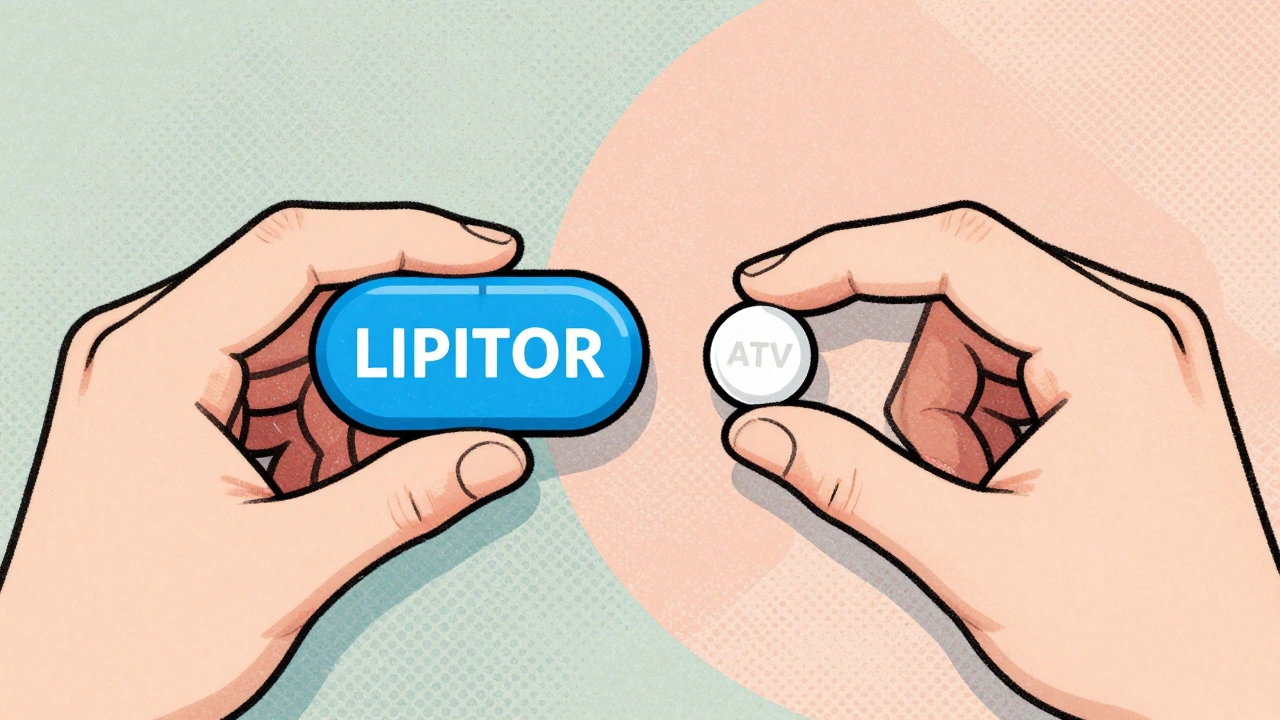
These laws directly connect to pharmaceutical trademarks, the registered names and logos that identify specific drug brands. Think of Advil or Lexapro—those are trademarks. But once the patent expires, other companies can sell the same active ingredient under a different name, like ibuprofen or escitalopram. That’s where generic drugs, medications with the same active ingredient as brand-name drugs but sold under their chemical name come in. Trademark laws don’t protect the chemical itself—only the brand name. So while Pfizer owns Viagra, anyone can sell sildenafil as long as they don’t use the logo, packaging, or marketing that tricks people into thinking it’s the original.
But it’s not just about names. drug naming, the process of choosing a brand name that’s unique, pronounceable, and legally clear is a high-stakes game. A bad name could accidentally sound like another drug—imagine a pill called Glucovance being confused with Glucophage. That’s why the FDA and trademark offices review every name before approval. Even small differences matter: Claritin and Clarinex are close, but legally distinct. These rules exist to keep you safe, not just to protect corporate profits.
And then there’s brand protection, the ongoing legal efforts companies use to defend their drug names from being turned into common terms. Remember how people started calling all tissues "Kleenex"? That’s a trademark gone generic—and drug makers fight hard to avoid it. Companies spend millions on ads reminding people that "Cialis" is a brand, not a type of pill. If a name becomes too common, the trademark can be lost, and suddenly anyone can use it. That’s why you see those little ® symbols on drug boxes—they’re not just decoration, they’re legal shields.
These rules show up everywhere in your medicine cabinet. The color-coded stickers on your bottle? Those are pharmacy safety tools, but the name on the label? That’s trademark law in action. The reason you can buy generic metformin for pennies while the brand version costs ten times more? That’s trademark laws letting competition in after patent expiry. And when a new drug comes out with a confusingly similar name to an existing one? That’s when trademark disputes happen—and sometimes, the FDA steps in to block it.
What you’ll find in the posts below isn’t just a list of articles—it’s a real-world map of how these invisible rules shape your prescriptions. From how generic drug makers navigate naming restrictions to why some pills can’t be called by their chemical name even after patents expire, these stories show the hidden legal battles behind every bottle. You’ll see how trademark laws affect cost, safety, access, and even how your doctor writes your script. No jargon. No fluff. Just how the system actually works—and what it means for you.
Generic drugs look different from brand-name pills not because they're less effective, but because U.S. trademark laws require them to have a unique appearance. Learn why this rule exists, how it affects you, and what to do when your pill changes shape or color.