Treatment-Resistant Depression: What It Is and How to Find Relief
When someone has treatment-resistant depression, a form of major depressive disorder that doesn’t improve after trying at least two different antidepressants at adequate doses and durations. Also known as refractory depression, it affects about 30% of people with depression—and it’s not a sign of weakness or failure. It’s a medical reality, not a personal one. If you’ve been on fluoxetine, sertraline, or escitalopram for weeks or months and still feel stuck, numb, or hopeless, you’re not alone. And you’re not out of options.
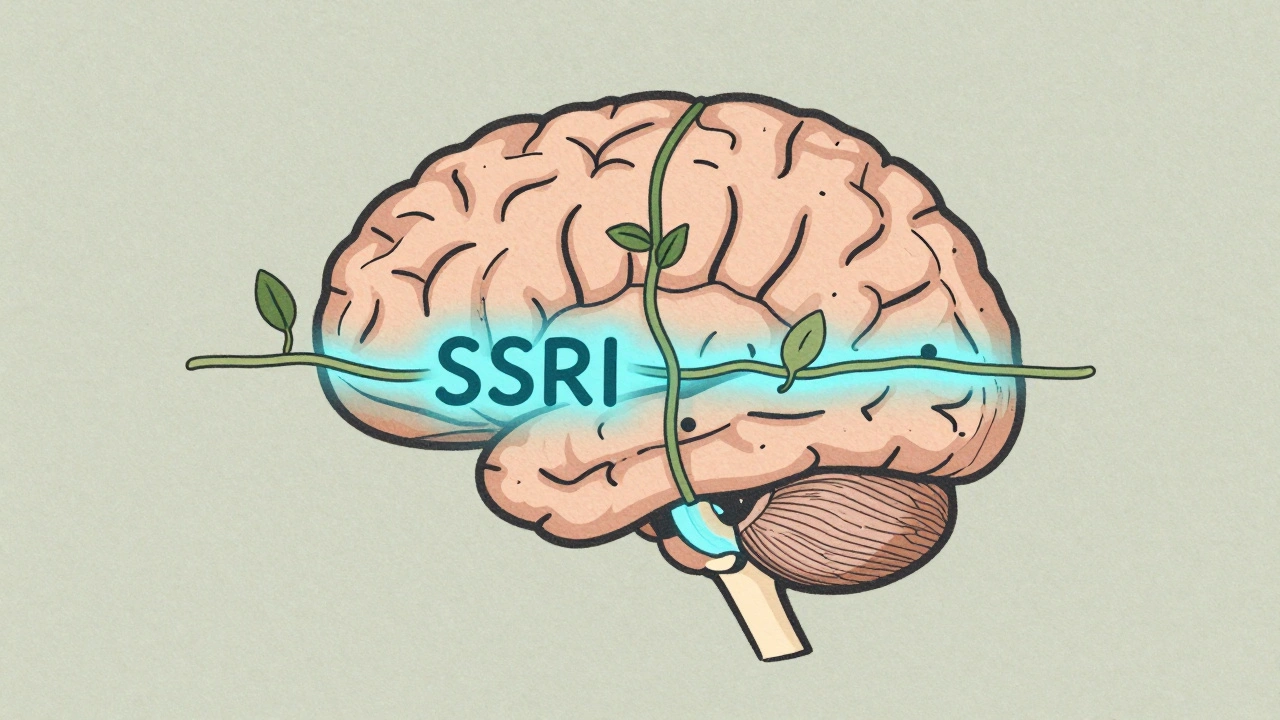
This isn’t about giving up on medication. It’s about knowing when to switch tactics. SSRIs, a common class of antidepressants that increase serotonin levels in the brain are often the first step—but they don’t work for everyone. When they don’t, doctors may turn to SNRIs, atypical antidepressants, or even combine medications. But here’s the thing: drugs alone aren’t the whole story. psychotherapy, structured talk therapy like CBT or IPT that helps rewire negative thought patterns can be just as powerful, especially when paired with medication. Studies show that people who combine therapy with medication have better long-term outcomes than those who rely on pills alone.
When standard treatments fail, the next steps get more targeted. electroconvulsive therapy, a safe, controlled procedure that uses brief electrical pulses to trigger a seizure and reset brain activity is one of the most effective options for severe cases—even when nothing else works. It’s not the scary thing you see in old movies. Modern ECT is done under anesthesia, with muscle relaxants, and patients usually feel better within days. Other options include transcranial magnetic stimulation (TMS), ketamine infusions, and vagus nerve stimulation. These aren’t experimental. They’re FDA-approved, evidence-backed, and increasingly accessible.
What you won’t find in most doctor’s offices? A one-size-fits-all plan. Treatment-resistant depression isn’t a single condition—it’s a collection of biological, psychological, and even environmental factors that interact in unique ways. Some people respond to sleep fixes. Others need thyroid testing. A few find relief through dietary changes or light therapy. The key is persistence, not patience. You don’t need to suffer longer—you need to try smarter.
The posts below cover exactly that: real strategies people have used when standard treatments fell short. You’ll find what works (and what doesn’t) when antidepressants stop helping, how therapy changes the game, and how newer treatments like TMS and ketamine are actually used in clinics today. There’s no magic pill here—but there are real answers. And they’re waiting for you below.
Buspirone augmentation with SSRIs offers a safe, effective way to treat treatment-resistant depression without the weight gain or sexual side effects of other options. Learn how it works, who benefits most, and what to expect.