
Depression Response Calculator
This calculator estimates your expected response rate when adding buspirone to your SSRI based on your baseline depression severity.
MADRS Score (Montgomery-Åsberg Depression Rating Scale) ranges from 0-60. Higher scores indicate more severe depression.
Example: 30 = severe depression; 10 = mild depression
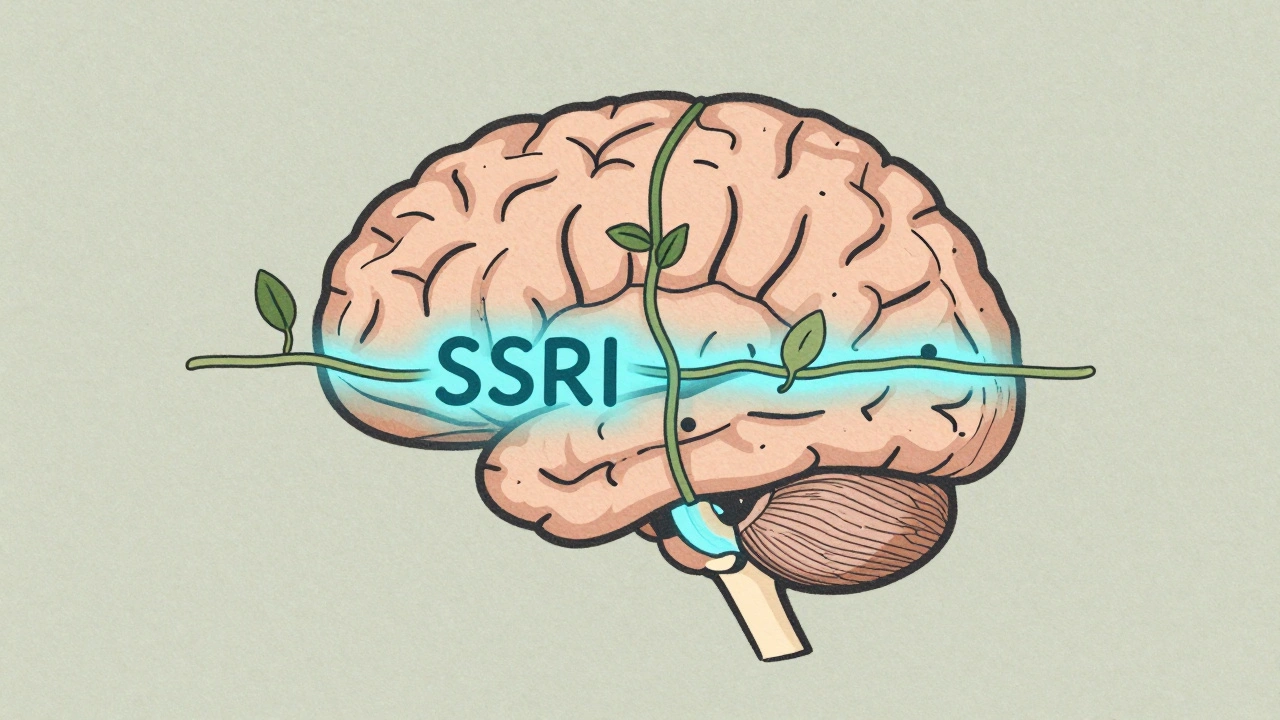
When SSRIs aren’t doing enough for depression, many patients and doctors turn to buspirone augmentation. It’s not a first-line fix, but for those stuck in a cycle of partial response or unbearable side effects-especially sexual dysfunction-it’s becoming a go-to option. Unlike adding another antidepressant or an antipsychotic, buspirone works differently. It doesn’t block serotonin reuptake like SSRIs. Instead, it gently stimulates serotonin receptors in a way that can boost mood without adding the usual baggage.
How Buspirone Works with SSRIs
Buspirone, sold under the brand name Buspar, was originally approved for anxiety. But its real value in depression care came from how it complements SSRIs. While SSRIs flood the synapse with serotonin by stopping its reabsorption, buspirone acts as a partial agonist at the 5-HT1A receptor. This means it doesn’t overstimulate the system-it fine-tunes it. Think of it like turning up the volume on a quiet song instead of blasting a new track.
This difference matters because it avoids the common pitfalls of other augmentation strategies. Antipsychotics like aripiprazole can cause weight gain, high blood sugar, and cholesterol spikes. Lithium requires frequent blood tests. Thyroid hormone can trigger heart rhythm problems. Buspirone? No blood monitoring. No metabolic chaos. Just a clean, low-risk boost.
How Effective Is It?
The evidence is solid, especially for people with severe or treatment-resistant depression. In the STAR*D trial and later randomized studies, adding buspirone to an SSRI led to significantly better outcomes than placebo. One 2023 double-blind trial with 102 patients showed clear improvement in depression scores within just one week-something you don’t always see with other augmentations.
The biggest gains were in patients with baseline MADRS scores above 30, meaning their depression was severe. For them, buspirone augmentation improved response rates to 62.3%, compared to just 41.7% on placebo. That’s not a small jump-it’s life-changing for someone who’s tried multiple meds without relief.
And it’s not just about mood. Buspirone helps with the anxiety that often rides shotgun with depression. Many patients report feeling less restless, less overwhelmed, and more able to engage with therapy or daily life.
Sexual Side Effects: The Hidden Win
One of the most frustrating side effects of SSRIs is sexual dysfunction. Up to 60% of people on these drugs struggle with low libido, delayed orgasm, or erectile issues. It’s so common, many stop taking their meds because of it.
Here’s where buspirone shines. Studies show only 1.6% of people on buspirone report sexual side effects-compared to 21.3% on SSRIs alone. In real-world cases, men with sertraline-induced delayed ejaculation saw their function return to normal within two weeks of adding 15 mg of buspirone daily. One 2021 review found buspirone helped 63% of patients with SSRI-related sexual problems, outperforming sildenafil and yohimbine.
The mechanism? Buspirone’s metabolite, 1-PP, blocks alpha-2 receptors, which may reverse the serotonin-driven suppression of sexual response. It’s not magic, but it’s one of the few reliable fixes available.
Side Effects: What to Expect
Buspirone isn’t side-effect-free, but they’re mild and usually temporary. The most common ones in clinical trials:
- Dizziness (14.3%)
- Headache (11.1%)
- Nausea (9.6%)
- Nervousness (9.1%)
Compare that to SSRIs, where fatigue, weight gain, and emotional blunting are routine. Buspirone doesn’t cause sedation or cognitive dulling. It doesn’t make you feel like a zombie. Most side effects fade within the first week or two as your body adjusts.
One thing to watch: if you’ve used benzodiazepines in the past, buspirone might not work as well. That’s because long-term benzodiazepine use can change how your brain responds to serotonin modulation. It’s not a dealbreaker, but it’s something your doctor should know.
Dosing and How to Start
There’s no one-size-fits-all dose. Most doctors start low-5 to 10 mg twice a day. Then they slowly increase by 5 mg every 3 to 5 days. The typical target is 20 to 30 mg daily, split into two doses. For stubborn cases, some go up to 45 or even 60 mg daily, but that’s done carefully under supervision.
Why twice daily? Buspirone has a short half-life-just 2 to 3 hours. That means levels drop quickly, so splitting the dose keeps things steady. Taking it all at once can cause spikes and crashes, making dizziness worse.
It takes time to see results. Don’t expect miracles in a week. Most patients notice mood improvements by week two, with full benefits by week six to eight. Patience is key.
Drug Interactions to Watch For
Buspirone is metabolized by the liver enzyme CYP3A4. Anything that blocks this enzyme can cause buspirone levels to spike dangerously. Common culprits:
- Ketoconazole (antifungal)
- Erythromycin (antibiotic)
- Grapefruit juice (yes, really-just one glass can raise levels by 4x)
If you’re on any of these, your doctor may need to lower your buspirone dose or switch you to something else. Always tell your prescriber about every supplement, herb, or over-the-counter med you take. Even St. John’s Wort can interfere.
Cost and Accessibility
Buspirone is cheap. Generic versions cost about $4.27 for 60 tablets of 10 mg. Compare that to aripiprazole (Abilify), which runs over $780 for a 30-day supply. That’s not just savings-it’s access. For people without good insurance, buspirone is one of the few viable augmentation options that won’t break the bank.
In 2023, over 1.2 million outpatient prescriptions in the U.S. were for buspirone used off-label to boost antidepressants. That number is rising by 17% each year. It’s not just doctors-it’s patients asking for it because they’ve heard it works.
Who Benefits Most?
Buspirone isn’t for everyone. It works best for:
- People with severe depression (MADRS >30)
- Those struggling with SSRI-induced sexual side effects
- Patients who can’t tolerate weight gain or metabolic changes
- Older adults (it doesn’t interact with warfarin or cause anticholinergic effects)
- People who’ve tried other augmentations and had bad side effects
It’s less effective for mild depression or if you’re already on multiple psychiatric meds. And if you’re looking for instant relief? Buspirone won’t help. It’s not a quick fix. It’s a steady, smart upgrade.
What’s Next for Buspirone?
Research is expanding. A new trial called BUS-EMO is looking at whether buspirone can reverse SSRI-induced emotional blunting-the feeling of being numb, detached, or unable to feel joy. Early results show a 37% improvement in emotional responsiveness after eight weeks. That’s huge. Emotional blunting is one of the least talked-about but most damaging side effects of SSRIs.
Doctors are also starting to use it more in geriatric populations. With no cardiac risk, no memory issues, and no need for blood tests, it’s becoming the first-choice augmentation for seniors on SSRIs.
It’s not FDA-approved for depression augmentation-but that doesn’t mean it’s experimental. It’s well-studied, widely used, and recommended in the American Psychiatric Association’s guidelines as a second-line option with moderate evidence. It’s not the flashiest tool in the box, but it’s one of the safest and most reliable.
Can buspirone replace my SSRI?
No. Buspirone is not meant to replace SSRIs. It’s used as an add-on for people who haven’t gotten full relief from their SSRI alone. Stopping your SSRI without medical supervision can cause withdrawal or worsen depression. Buspirone works best when paired with an existing antidepressant.
How long does it take for buspirone to start working?
For anxiety, it can take 2 to 4 weeks. But when used to augment SSRIs for depression, some patients see mood improvements within the first week. Full benefits usually appear between 4 and 8 weeks. Don’t give up too soon-this isn’t a fast-acting drug, but the results are often lasting.
Does buspirone cause weight gain?
No. Unlike antipsychotics or some other antidepressants, buspirone doesn’t cause weight gain. Clinical trials show an average weight change of just 0.3 kg (about half a pound) gain over several months. For people worried about metabolic side effects, this is one of its biggest advantages.
Can I drink alcohol while taking buspirone?
It’s best to avoid alcohol. While buspirone doesn’t interact with alcohol the way benzodiazepines do, mixing them can still increase dizziness, drowsiness, and impair judgment. Since buspirone can affect your balance and coordination, alcohol makes those effects worse. Safety first.
Is buspirone addictive?
No. Buspirone has no potential for abuse or dependence. Unlike benzodiazepines, it doesn’t activate GABA receptors, so it doesn’t produce euphoria or withdrawal symptoms. You can stop it safely without tapering, though your doctor may still recommend a slow reduction to avoid rebound anxiety.
Will buspirone help with my anxiety if I’m on an SSRI?
Yes. Even though it’s being used to boost depression, buspirone’s original purpose-reducing anxiety-still works. Many patients report feeling calmer, less tense, and more able to cope with stress. It’s a dual benefit: better mood and less anxiety, without sedation.
Final Thoughts
Buspirone augmentation isn’t a miracle cure. But for people stuck in the middle ground-not quite well enough on SSRIs, but not ready to risk the side effects of stronger drugs-it’s one of the most thoughtful options available. It’s quiet, it’s safe, it’s affordable, and it fixes problems other treatments make worse. If you’ve been struggling with sexual side effects, emotional numbness, or just not feeling like yourself on an SSRI, talk to your doctor about buspirone. It might be the missing piece.


aditya dixit
Buspirone is one of those quiet heroes in psychopharmacology. No flashy marketing, no corporate hype, just clean science. I’ve seen patients on SSRIs with sexual dysfunction come back to me after adding 15mg daily-suddenly they’re sleeping better, talking more in therapy, even going out with friends again. It’s not a magic bullet, but it’s one of the few things that actually fixes a real problem without creating five new ones.