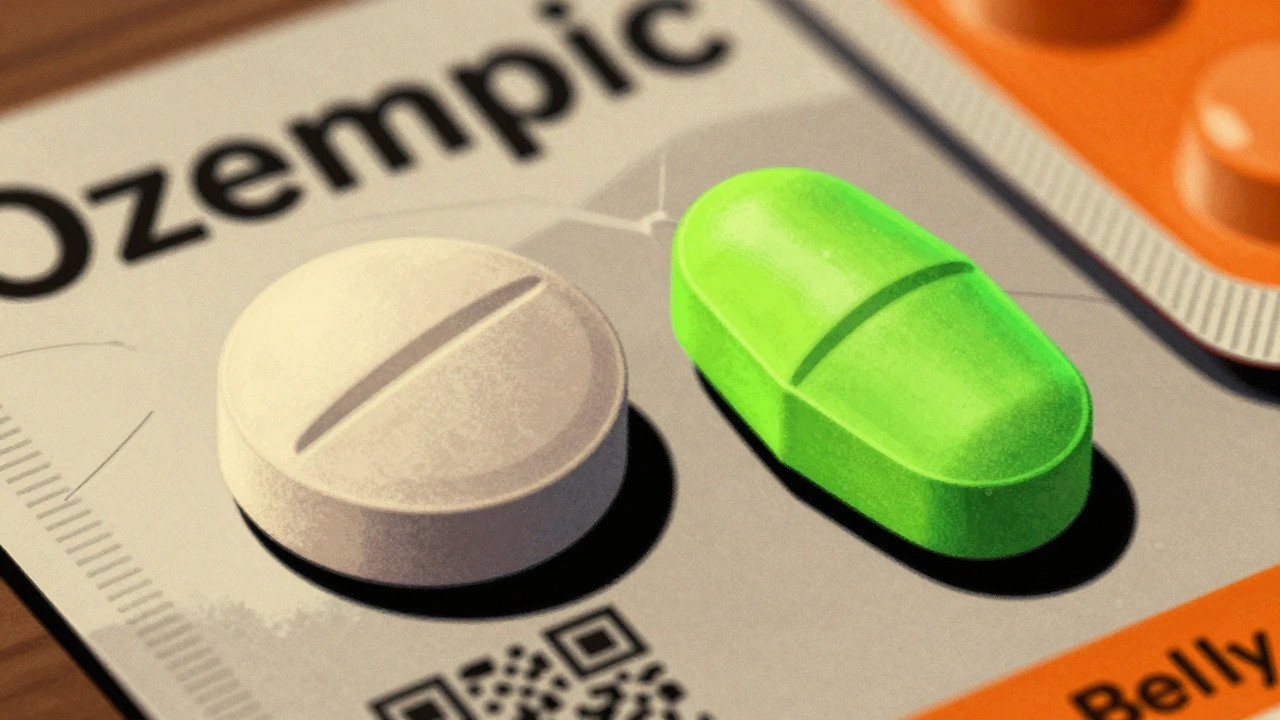
Verify Medication: How to Confirm Your Pills Are Safe and Correct
When you pick up a prescription, verify medication, the process of checking that the drug you received matches what your doctor prescribed. Also known as medication confirmation, it’s not just a good habit—it’s a lifesaver. Every year, thousands of people take the wrong pill because they didn’t stop to double-check the color, shape, or name on the bottle. You wouldn’t drive a car without checking the fuel gauge. Don’t take medicine without verifying it.
Medication errors happen more often than you think. A pill that looks different might be a generic version, not a mistake—but you still need to know why. pharmacy labels, the stickers and text on your medicine bottles that warn you about food interactions, crushing pills, or alcohol use are your first line of defense. Color-coded stickers? They’re not decoration. A red label might mean "take on an empty stomach," and a yellow one could signal a serious interaction. drug identification, using pill shape, color, and imprint codes to match your medication to official databases is a simple skill anyone can learn. The FDA’s Pill Identifier tool is free, and so is asking your pharmacist to show you the difference between brand and generic versions—like why your blue pill is now white.
Verifying your meds isn’t just about avoiding mix-ups. It’s about catching substitutions, expired drugs, or even counterfeit pills. medication safety, the system of checks, warnings, and practices designed to prevent harm from drugs includes knowing your own prescriptions inside out. If your blood thinner changed shape, or your thyroid pill now tastes different, don’t assume it’s normal. Ask. Write down the imprint code (like "L484") and look it up. Keep a list of your meds with dosages and why you take them. If you’re on multiple drugs, a pill organizer with clear labels isn’t just helpful—it’s critical.
People think pharmacists will catch everything. They don’t. Pharmacies are rushed. Staff are stretched thin. You’re the last and most important check in the chain. If your child takes medicine at school, verify the nurse has the right label. If your elderly parent takes six pills a day, verify each one matches their script. Even if you’ve taken the same drug for years, a new batch can look different. That’s not a glitch—it’s the system working as designed. But only if you’re paying attention.
Below, you’ll find real stories and practical guides on how to spot red flags in your meds—from trademark laws that force generics to look different, to auxiliary labels that save lives, to how to track expiration dates before a pill becomes dangerous. Whether you’re managing chronic pain, heart disease, or just trying to avoid a bad reaction, knowing how to verify medication isn’t optional. It’s your right—and your responsibility.
Counterfeit generics are fake versions of affordable medications that can be deadly. Learn how to spot them, where to buy safely, and what to do if you’ve been sold a fake pill.