Medication Safety and Management in 2025: Guides on Drugs, Side Effects, and Smart Use
When it comes to your health, medication safety, the practice of using drugs correctly to avoid harm and maximize benefit. Also known as drug safety, it’s not just about taking pills as directed—it’s about understanding why you’re taking them, knowing what to watch for, and having the tools to speak up when something feels off. In November 2025, our most-read articles focused on real-world problems: expired pills gathering dust in your cabinet, color-coded stickers on your bottle you never learned to read, and doctors who don’t ask if you still need all those meds. These aren’t edge cases—they’re everyday struggles for millions.
Deprescribing, the process of safely stopping medications that are no longer needed or are doing more harm than good. Also known as medication review, it’s one of the quietest ways to save money and feel better. Many people take five or more drugs by age 65, and not all of them are still helping. The Beers Criteria, a widely used list of potentially dangerous drugs for older adults. Also known as geriatric medication guidelines, it helps doctors spot risks and gives you a starting point to ask questions. Meanwhile, drug shortages, when critical medicines like antibiotics or painkillers vanish from pharmacy shelves. Also known as generic drug shortages, they’re not rare events—they’re a growing crisis that forces patients and providers to scramble. We broke down how hospitals respond, what alternatives exist, and how to prepare before your prescription runs out.
It’s not just about what’s in the bottle—it’s about how you use it. Prescription labels, the warnings, stickers, and fine print that guide safe use. Also known as auxiliary labels, they’re designed to prevent mistakes but most people ignore them or don’t understand them. A red sticker saying "take with food" isn’t just a suggestion—it can mean the difference between nausea and relief. A black box warning isn’t scare tactics—it’s the FDA’s strongest alert. And if you’re using antihistamines like desloratadine for allergies, you might be silently battling brain fog without knowing why.
From antivirals that stop viruses in their tracks to gout meds that target uric acid at the source, November 2025 gave you the real talk behind the science. You’ll find step-by-step plans for returning to work with chronic pain, safe heartburn options during pregnancy, and how to break through a weight loss plateau that’s stalled your progress. No fluff. No hype. Just what works, what doesn’t, and what you need to know before your next doctor visit or pharmacy trip.
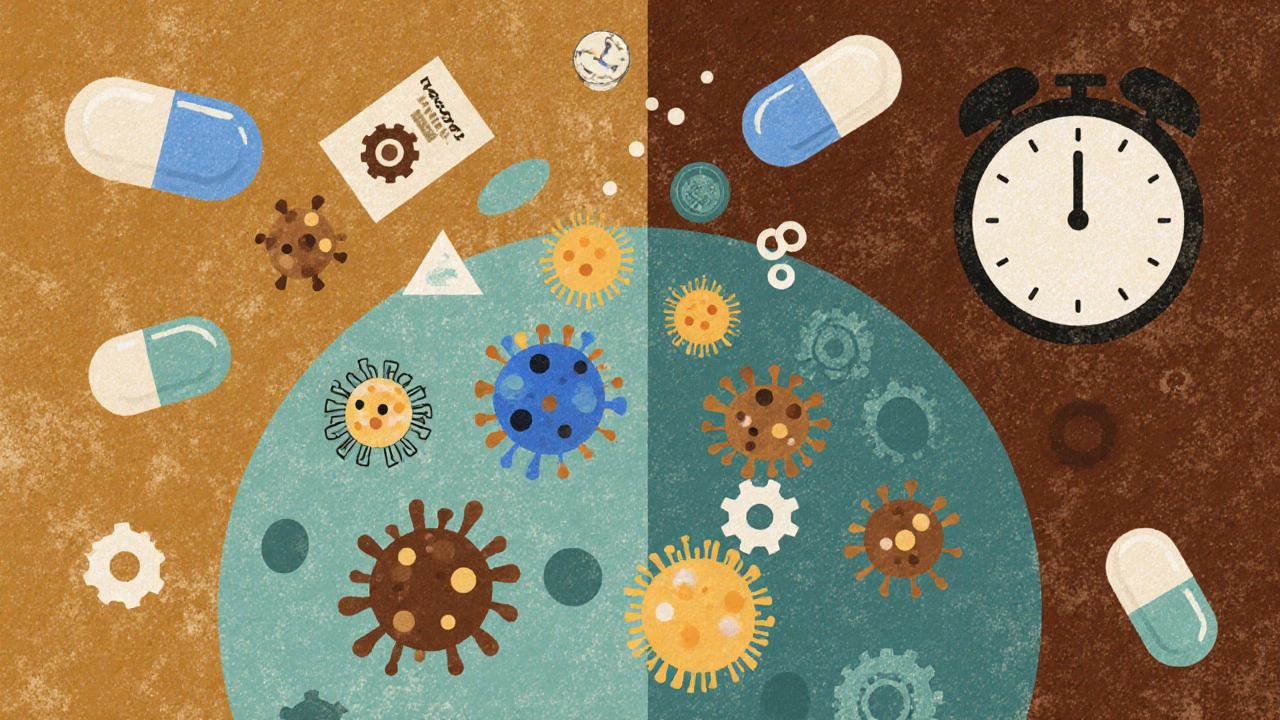
Antiviral medications treat viral infections like flu, COVID-19, and hepatitis C by blocking virus replication. Learn how drugs like Paxlovid, sofosbuvir, and oseltamivir work, their effectiveness, limitations, and what patients need to know for timely treatment.
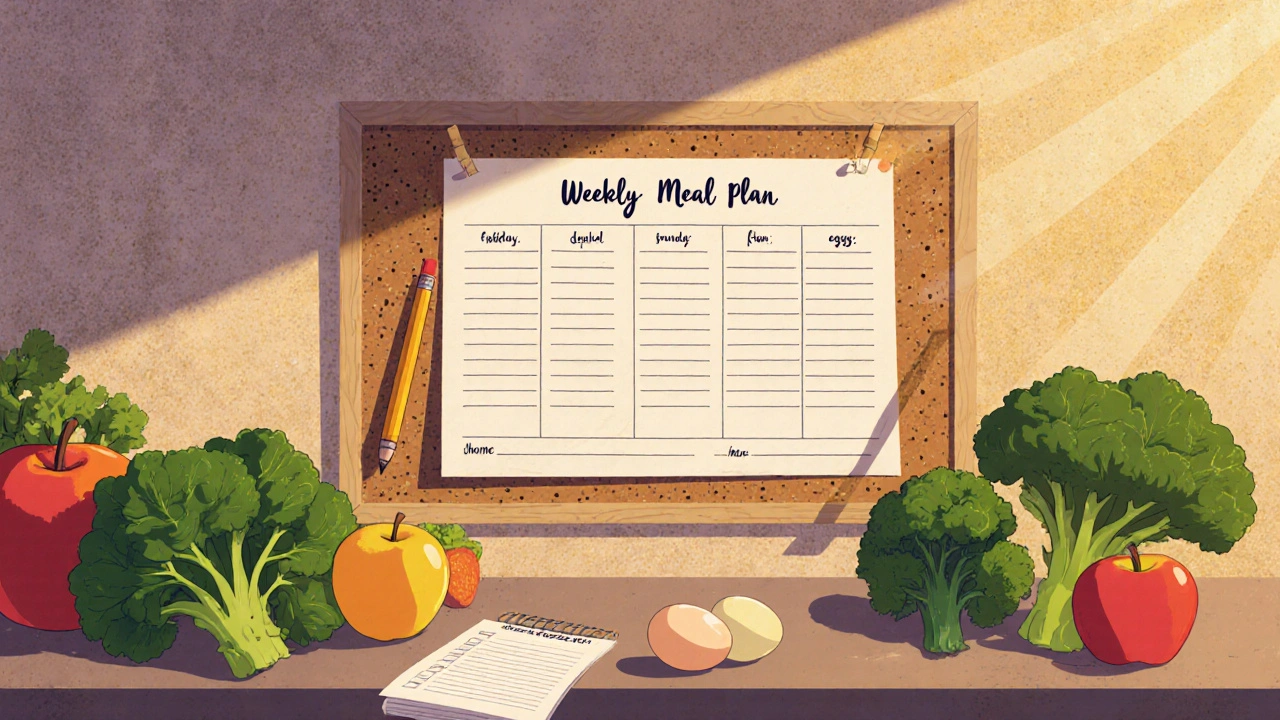
Meal planning for weight loss works because it removes guesswork. Learn how to use free templates and smart shopping lists to eat less, spend less, and lose weight without feeling deprived.
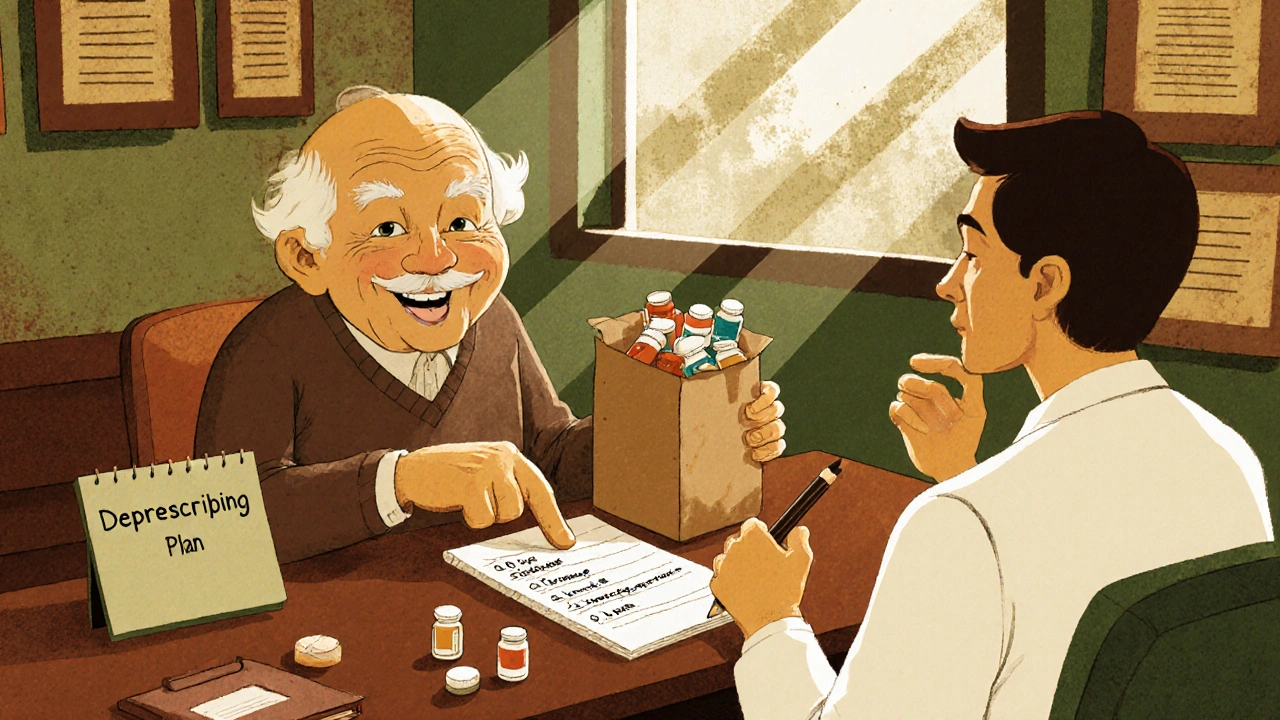
Learn how to work with your doctor to safely stop unnecessary medications, reduce side effects, and save hundreds or thousands of dollars a year on prescriptions through deprescribing.
Medication shortages are disrupting care across the U.S., with critical drugs like morphine, antibiotics, and chemotherapy agents running out. Learn how hospitals are responding, what patients can do, and why this crisis keeps getting worse.
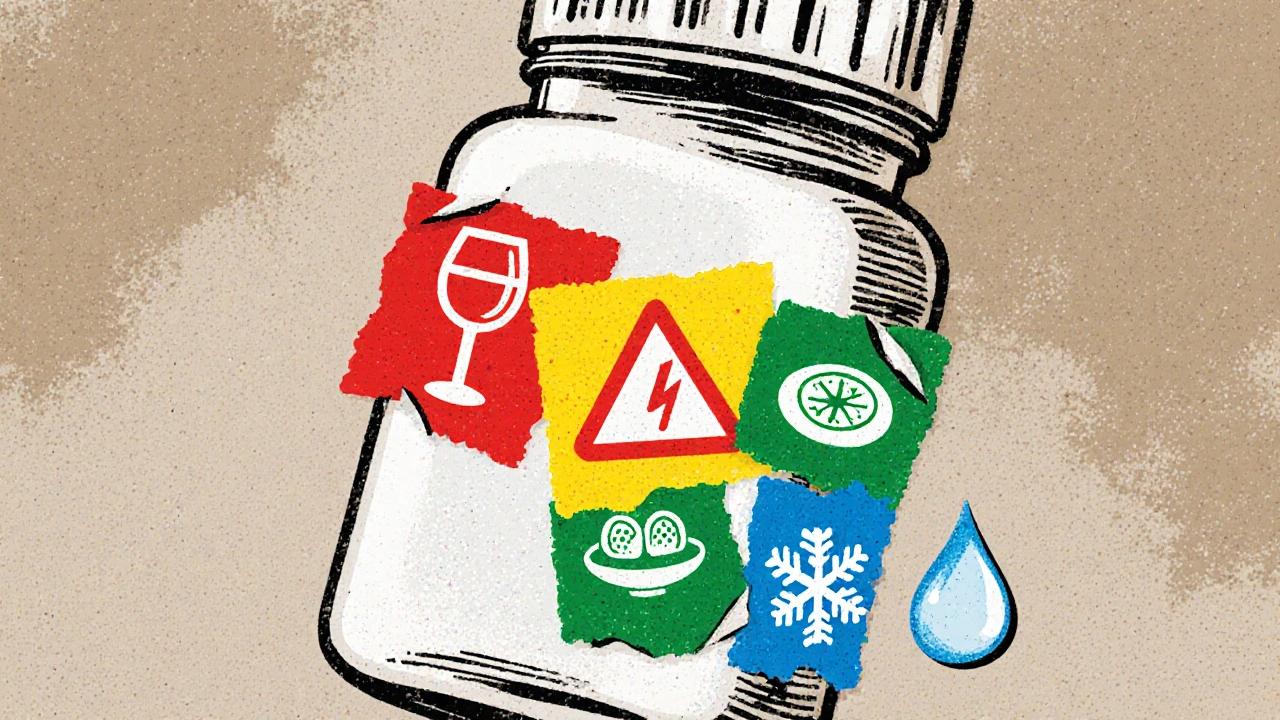
Color-coded auxiliary labels on medication bottles are critical safety tools that warn of interactions, guide usage, and improve adherence. Learn what each color means, why placement matters, and how they prevent thousands of medication errors each year.
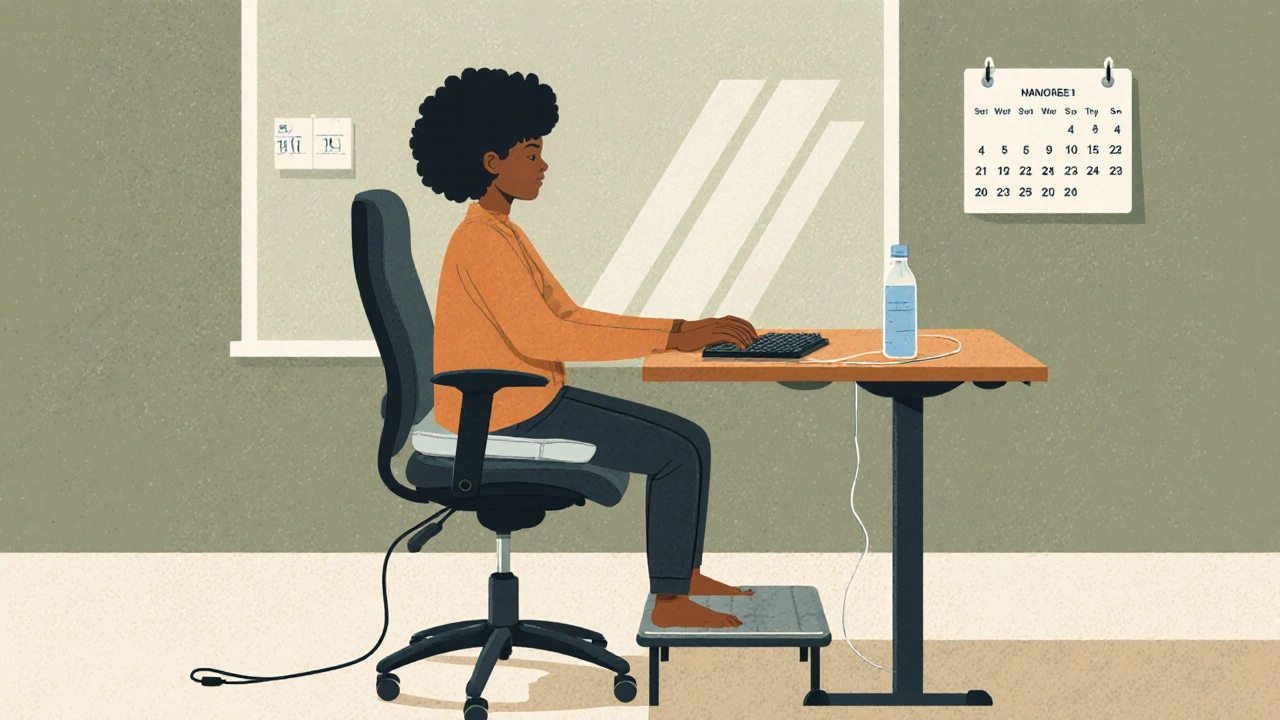
Learn how to return to work with chronic pain using practical accommodations, legal rights, and step-by-step strategies. Get real examples of what works, how to ask for help, and what to do if your employer says no.
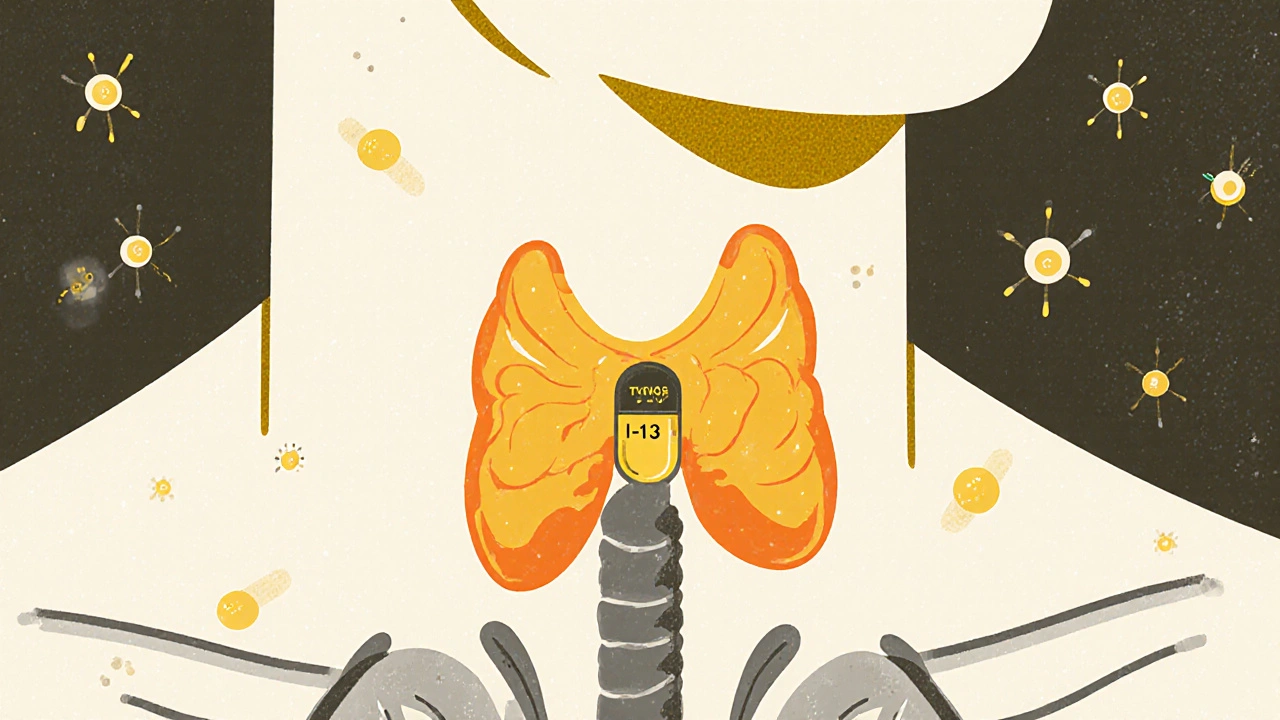
Thyroid cancer is highly treatable, with most patients surviving long-term. Learn about the four main types, how radioactive iodine therapy works, what thyroidectomy involves, and what life looks like after treatment.
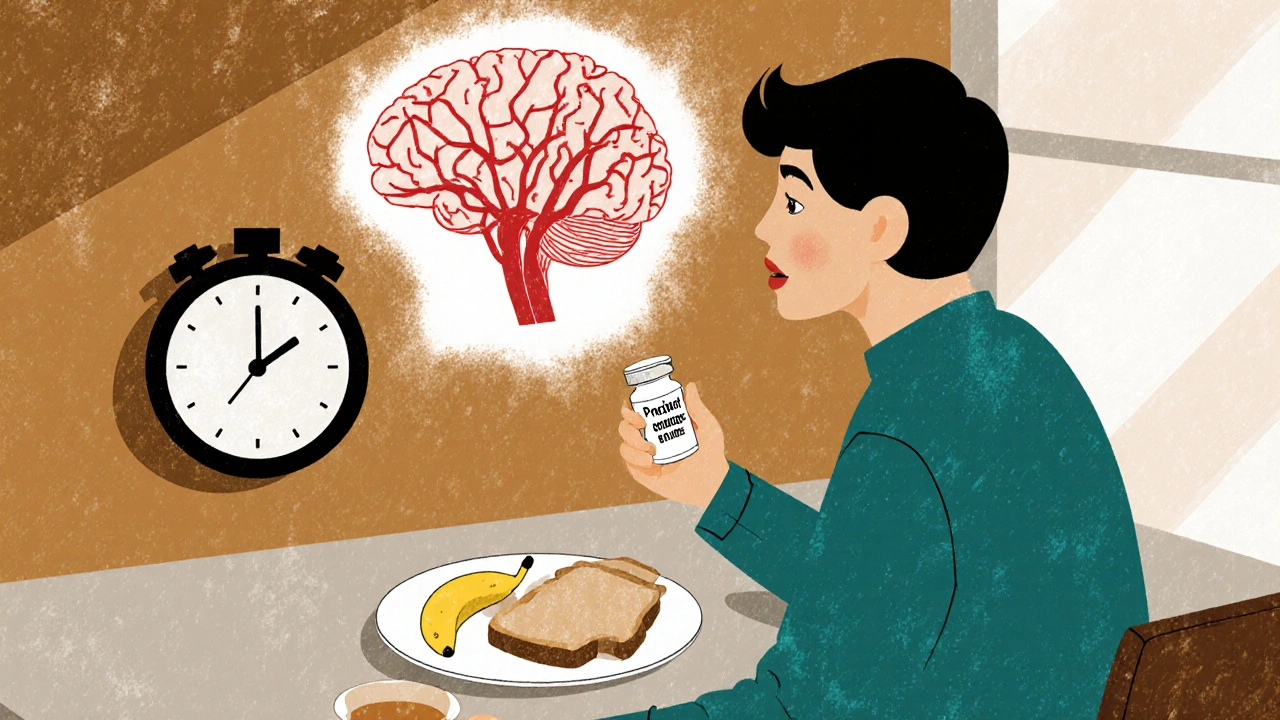
Opioid-induced nausea affects up to 40% of users, but it's manageable. Learn which antiemetics work best, how timing your doses cuts nausea, and simple diet changes that help you stay on track with pain relief.
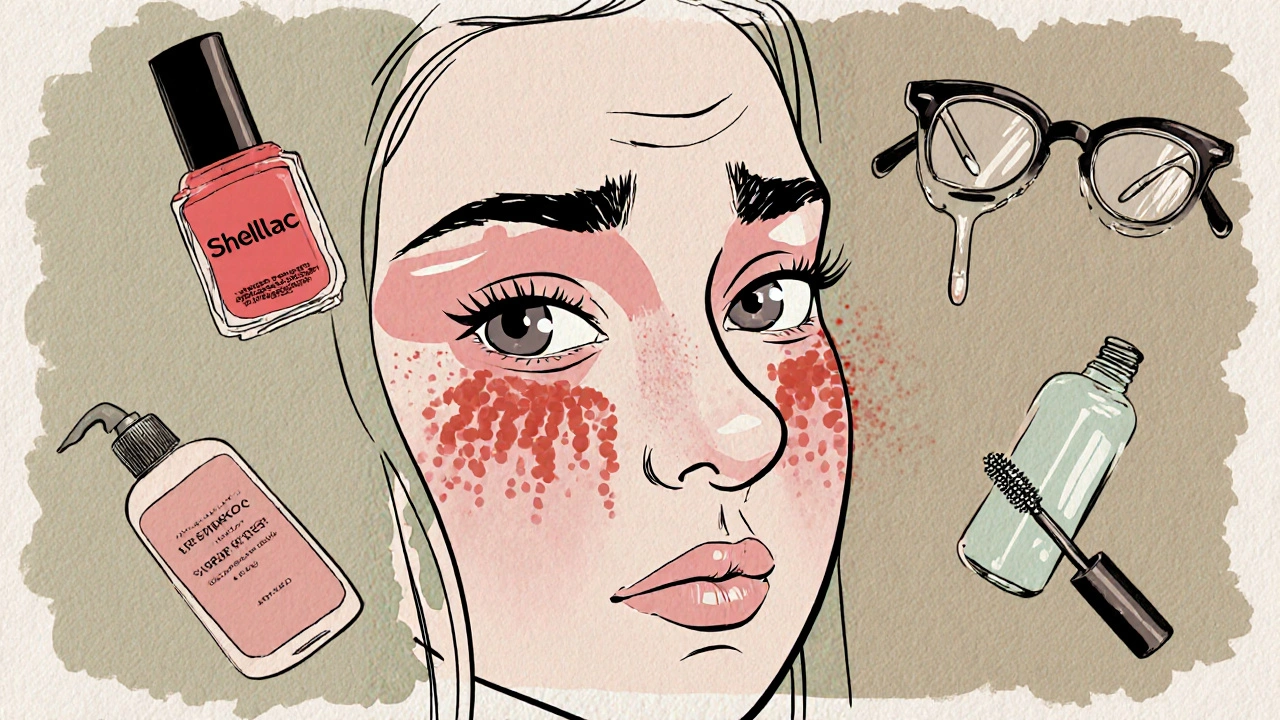
Eyelid dermatitis is often caused by hidden allergens in cosmetics, nail polish, and hair products. Learn the top triggers, why patch testing is essential, and how to safely treat and prevent recurring rashes.
Ground pine is an ancient herb with anti-inflammatory and diuretic properties used for centuries to support respiratory and joint health. Learn how to use it safely and what science says about its benefits.