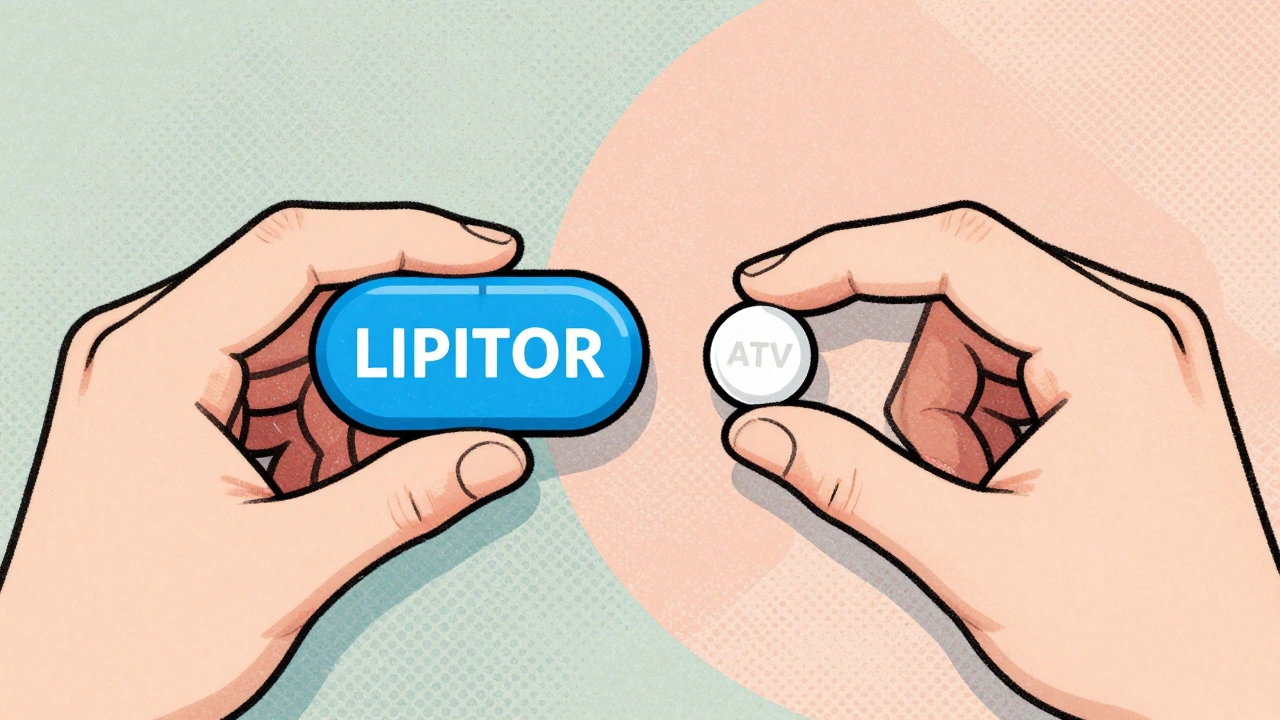
Brand vs Generic Medications: What You Really Need to Know
When you pick up a prescription, you might see two options: the familiar brand name drug, a medication developed and marketed by a pharmaceutical company under a patent, or the much cheaper generic drug, a version with the same active ingredient, strength, and dosage form, approved by the FDA after the patent expires. The big question isn’t whether they’re the same—they are—but why the price difference is so huge, and whether you’re really getting less for less.
The FDA Orange Book, the official public list of approved drug products with therapeutic equivalence evaluations makes it clear: generics must meet the same strict standards as brand names. They contain the same active ingredient, work the same way in your body, and have the same risks and benefits. The differences? Inactive ingredients like fillers or dyes, which rarely matter. The packaging? Often simpler. The cost? Usually 80-85% lower. That’s not a compromise—it’s a win. Yet, many people still hesitate, worried that cheaper means weaker. But if you’ve ever taken generic ibuprofen or metformin, you’ve already used a generic that worked just as well as the brand.
What drives the confusion? Marketing. Brand names spend millions on ads and doctor visits to build trust. Generics don’t. That doesn’t mean they’re less effective—it just means you’re paying for a name, not better science. Some patients report feeling different switching brands, but studies show this is often placebo or tied to changes in inactive ingredients, not the medicine itself. If you’ve had a reaction, talk to your pharmacist—not your fears. The therapeutic equivalence, the FDA’s official rating that confirms a generic can be substituted without safety or effectiveness concerns is your real guide.
And here’s something most people don’t realize: the same company often makes both the brand and the generic version. It’s the same factory, same quality control, just different labels. When you see a drug shortage, it’s often the generic that’s running out—because manufacturers cut corners on profit margins. That’s why antitrust laws, rules designed to prevent drug companies from blocking competition through pay-for-delay deals matter so much. Without them, generics wouldn’t exist at these prices.
So what should you do? Ask your pharmacist if your prescription has a generic. Ask your doctor if switching is safe. Compare prices—sometimes the cash price for a generic is lower than your insurance copay. And if you’re on a long-term medication, like blood pressure or cholesterol pills, switching to generic could save you hundreds a year. You’re not sacrificing quality. You’re just cutting out the middleman.
Generic drugs look different from brand-name pills not because they're less effective, but because U.S. trademark laws require them to have a unique appearance. Learn why this rule exists, how it affects you, and what to do when your pill changes shape or color.