
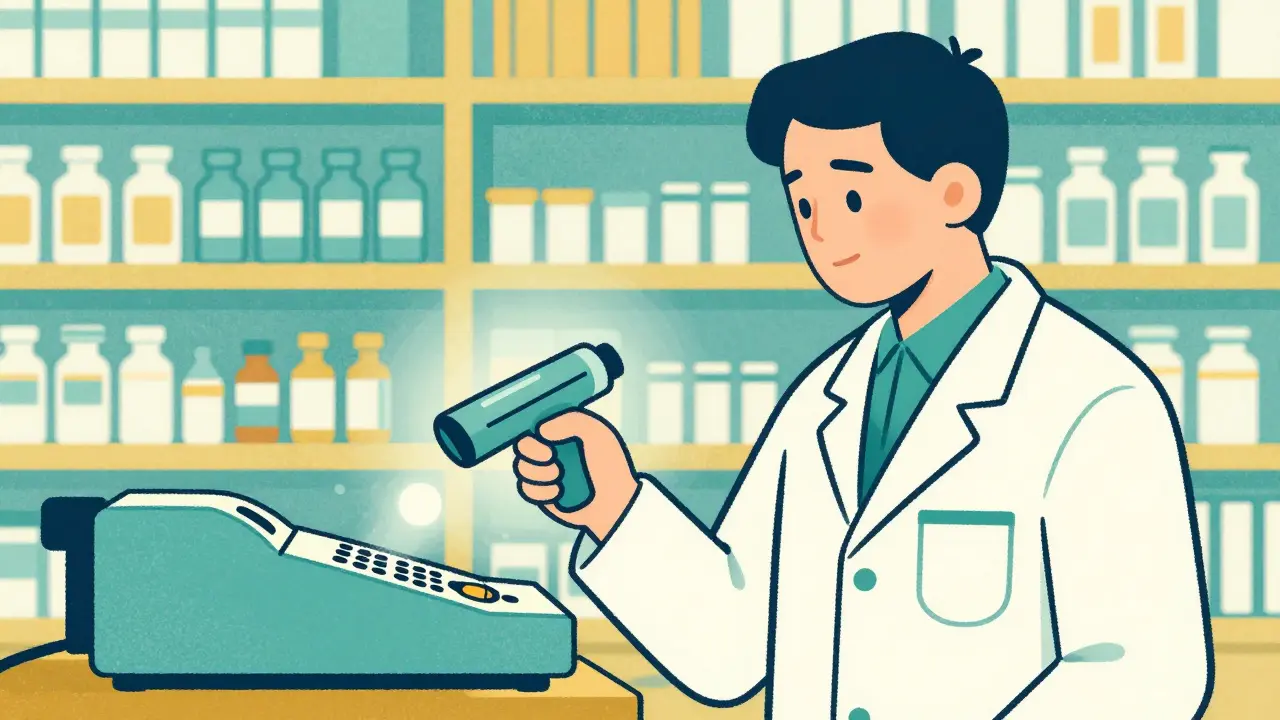
In 2024, law enforcement agencies reported 6,424 incidents of counterfeit drugs across 136 countries. These fake medications can cause serious harm or even death. Pharmacists are the last line of defense against these dangerous products. Proper pharmacist counterfeit detection training is essential to stop them from reaching patients.
Why Pharmacist Training Matters for Patient Safety
The Partnership for Safe Medicines calls pharmacists the "last line of defense" in keeping patients safe from counterfeit drugs. This isn't just a slogan-it's a critical reality. When a pharmacist checks a medication's packaging, verifies its source, or uses a handheld device to test authenticity, they prevent potentially deadly products from reaching patients. Without proper training, even experienced pharmacists might miss subtle signs of counterfeiting, like slight color variations or unusual packaging textures.
Consider this: in 2021, a counterfeit version of a blood pressure medication was distributed in several U.S. pharmacies. It looked identical to the real product but contained incorrect active ingredients. Thanks to trained pharmacists who double-checked the supplier's credentials, the batch was stopped before reaching patients. This highlights why ongoing education isn't optional-it's life-saving.
Current Training Programs for Pharmacists
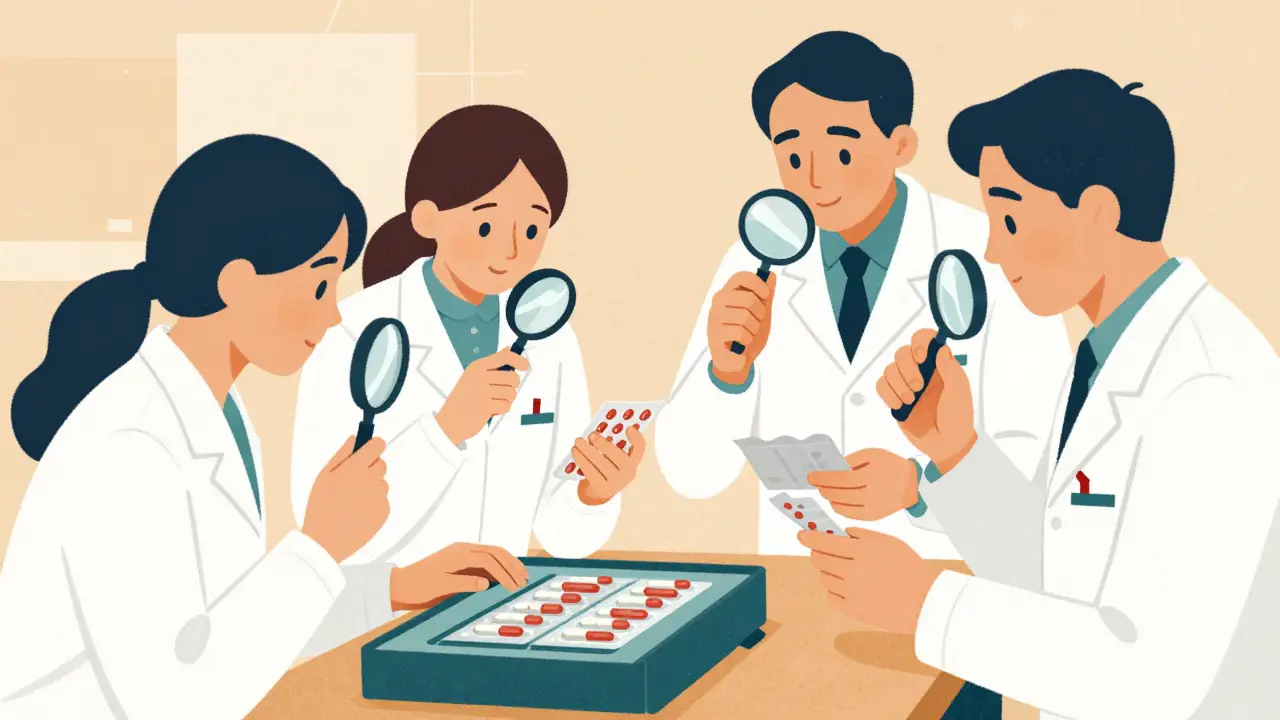
Several training programs help pharmacists stay ahead of counterfeit threats. The World Health Organization (WHO) is a United Nations agency dedicated to global public health partnered with the International Pharmaceutical Federation (FIP) a global organization representing pharmacists and pharmacy students to create a competency-based curriculum in 2021. This program was piloted with 355 pharmacy students across Cameroon, Senegal, and Tanzania. After training, students showed measurable improvements in identifying counterfeit drugs. The curriculum covers everything from visual inspection techniques to understanding supply chain red flags.
For practicing pharmacists, TrainingNow.com offers a 45-minute Medicare Fraud, Waste, and Abuse (FWA) course. It's mobile-friendly, includes real-world scenarios, and provides continuing education credits. While this course focuses on compliance, it also teaches how to spot suspicious transactions that might indicate counterfeit drugs. Pharmacists appreciate the flexibility to complete training "anytime, anywhere" within six months of enrollment.
Meanwhile, RxAll a technology company providing handheld counterfeit detection devices's training integrates hands-on technology. Their handheld devices use spectral analysis to detect chemical differences between genuine and fake medications. Pharmacists can verify a pill's authenticity in seconds-far faster than traditional methods like checking paper documents or making phone calls.
Technology's Role in Detection
Technology has revolutionized counterfeit detection. Traditional methods-like inspecting packaging or calling suppliers-were slow and error-prone. Today, tools like RxAll's handheld devices combine spectral analysis with AI algorithms. These devices scan medications and instantly compare them against a database of authentic samples. A 2023 study found these tools reduced verification time by 75% while increasing accuracy to over 98%.
For example, a pharmacist in Texas used an RxAll device to check a shipment of insulin. The device flagged inconsistencies in the chemical composition, leading to the discovery of a counterfeit batch. Without this technology, the fake insulin might have been dispensed to diabetic patients, causing severe health risks. This real-world example shows how modern tools are essential for effective detection.
However, technology alone isn't enough. Pharmacists must also understand when and how to use these tools. Training programs now emphasize combining technological verification with human judgment. As Nakul Pasricha of the Authentication Solution Providers' Association stated in 2020, "A continued immersive awareness and education program is crucial for healthcare workers so they can be vigilant toward counterfeit products and know the protocol if they encounter them."
Global Challenges and Successes
Counterfeit drug detection isn't just a technical challenge-it's a global issue with uneven solutions. The Drug Supply Chain Security Act (DSCSA) is a U.S. law passed in 2013 to build systems tracking prescription drugs established national standards for wholesale distributors. This system is considered the world's most advanced by the Partnership for Safe Medicines. But many developing countries lack similar infrastructure. In sub-Saharan Africa, for instance, only 30% of pharmacies have access to counterfeit detection tools.
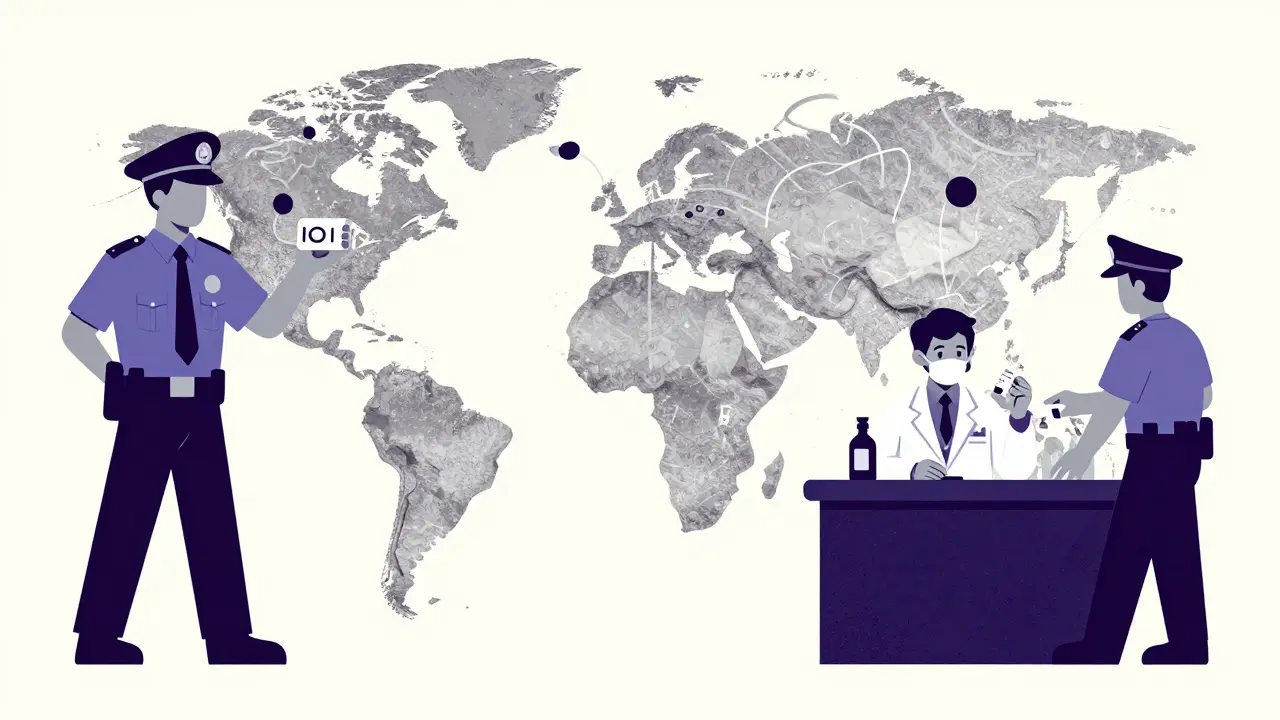
Despite these challenges, global collaboration is making progress. Interpol Operation Pangea XVI a global law enforcement operation targeting counterfeit drugs in 2025 involved 90 countries, resulting in 769 arrests, 50.4 million counterfeit doses seized, and 13,000 illegal online platforms shut down. This operation shows the scale of the problem and the importance of international cooperation. However, it also highlights how counterfeiters constantly adapt-using encrypted messaging apps and fake websites to sell fake medications.
Pharmaceutical Security Institute an organization tracking pharmaceutical crime statistics data shows 3,658 arrests for pharmaceutical-related crimes in 2024 alone. This number underscores the ongoing threat and the need for comprehensive training. Without coordinated efforts between pharmacists, law enforcement, and regulatory bodies, counterfeit drugs will continue to endanger patients worldwide.
Future of Counterfeit Detection Training
Looking ahead, the WHO is set to release an updated toolkit in Q4 2024. This toolkit will expand the FIP pilot project beyond Africa and include specific guidance on detecting counterfeit drugs sold online-a growing threat since the pandemic. The new toolkit will also address emerging challenges like counterfeit biologics and oncology drugs, which are harder to detect due to their complex manufacturing processes.
Technology will continue to evolve. AI-powered verification tools are becoming more sophisticated, capable of identifying subtle differences in drug composition. Companies like RxAll are already integrating machine learning into their platforms, allowing devices to learn from new counterfeit cases in real time. This means training programs will need to keep pace with these advancements.
Another key trend is patient education. As RxAll's resources show, teaching patients how to spot counterfeit drugs (like checking for tampered packaging or unusual side effects) creates an extra layer of protection. Future training programs will likely include components that empower patients to be active participants in their own safety.
How do pharmacists detect counterfeit drugs?
Pharmacists use a combination of visual inspection, supplier verification, and technology. They check packaging for inconsistencies, verify the supplier through manufacturer websites, and use devices like RxAll's spectral analyzers to detect chemical differences. Training programs teach specific red flags, such as prices significantly below wholesale cost or unusual packaging textures. The WHO's upcoming toolkit will further enhance these protocols with updated guidance for online counterfeit sales.
What training programs are available for pharmacists?
Several options exist. The WHO and FIP developed a curriculum tested in Africa, focusing on academic training for students. TrainingNow.com offers a mobile-friendly Medicare FWA course for compliance and fraud awareness. RxAll provides hands-on technology training with their handheld devices. Additionally, the PTCB-Recognized Controlled Substances Diversion Prevention Education program requires certification for enrollment. Each program has different strengths, so pharmacists should choose based on their specific needs and workplace requirements.
How does technology like RxAll improve counterfeit detection?
RxAll's handheld devices use spectral analysis to scan medications and compare them against authentic samples. This process takes seconds and detects chemical differences invisible to the naked eye. Traditional methods like checking paper documents or making phone calls are time-consuming and less accurate. A 2023 study showed RxAll's technology reduces verification time by 75% and increases accuracy to over 98%. This allows pharmacists to quickly and confidently verify medications, especially in high-volume settings.
What are the biggest challenges in combating counterfeit drugs globally?
The biggest challenges include inconsistent global infrastructure and evolving criminal tactics. While the U.S. has a robust track-and-trace system under DSCSA, many developing countries lack resources for similar systems. Criminals also use encrypted messaging apps and fake websites to distribute counterfeit drugs. Additionally, counterfeiters constantly adapt-recently targeting high-value drugs like biologics and oncology products, which are harder to detect. Training programs must address these evolving threats while working within limited resources in some regions.
What future developments are expected in counterfeit drug detection training?
The WHO's Q4 2024 toolkit will expand global training efforts with specific focus on online counterfeit sales. AI and machine learning will play a bigger role in verification tools, allowing them to learn from new counterfeit cases in real time. Training programs will also incorporate patient education components, teaching patients how to spot suspicious packaging or side effects. Finally, there's growing emphasis on collaboration between pharmacists, law enforcement, and regulatory agencies to create a unified defense against counterfeit drugs.


Johanna Pan
Pharmacists are the true heroes in this fight. Proper training is non-negotiable for patient safety. The 2024 stats show how widespread counterfeits are, but with programs like WHO's, we're making progress. Tools like RxAll's devices make detection faster and more accurate. Let's support these initiatives globally. This work is crucial for every community. We definately need more global cooperation.