Buspirone and SSRIs: What You Need to Know About Combining These Anxiety Medications
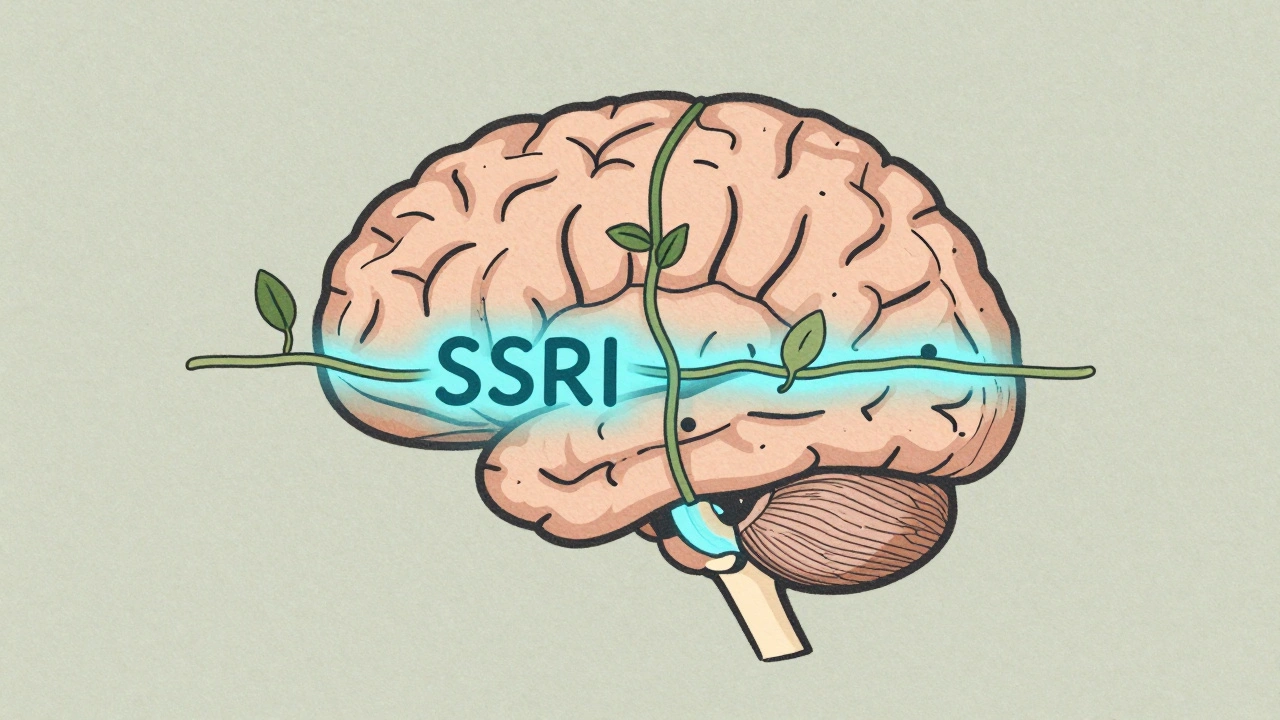
When you’re managing anxiety, buspirone, a non-addictive anti-anxiety medication that works differently from benzodiazepines. Also known as Buspar, it helps calm the nervous system without causing drowsiness or dependence. Many people take it alongside SSRIs, a class of antidepressants that increase serotonin levels to improve mood and reduce anxiety. Also known as selective serotonin reuptake inhibitors, they include drugs like sertraline, escitalopram, and fluoxetine. These two types of meds are often paired because they target anxiety from different angles—SSRIs fix the underlying chemical imbalance, while buspirone gives faster relief for day-to-day symptoms.
But mixing them isn’t simple. While doctors commonly prescribe them together, there’s a small but real risk of serotonin syndrome—a dangerous spike in serotonin that can cause confusion, rapid heart rate, muscle rigidity, and fever. It’s rare, but it happens, especially when doses are increased too quickly. Studies show that most patients tolerate the combo fine if started slowly, but those with kidney or liver issues, or who take other serotonergic drugs like tramadol or certain migraine meds, need extra caution. The key is communication: tell your doctor every pill, supplement, or herb you’re taking. Even something as simple as St. John’s wort can push serotonin levels too high.
Buspirone doesn’t work right away—it takes 2 to 4 weeks to kick in—so many patients start it while already on an SSRI to bridge the gap. That’s why you’ll often see people on both. But if you’re switching from an SSRI to buspirone, you need to taper the SSRI first. Stopping SSRIs cold turkey can cause brain zaps, dizziness, or worse. And if you’re on buspirone and your doctor adds an SSRI, don’t assume the buspirone will be pulled. Often, it stays because it helps with residual anxiety that SSRIs don’t fully touch.
Real patients report mixed results. Some say buspirone helped them finally sleep without feeling numb. Others felt worse—more jittery, more anxious—until their SSRI dose was lowered. One woman on sertraline added buspirone for panic attacks and said it gave her back control. Another man on escitalopram stopped buspirone after three weeks because he felt like his brain was buzzing. There’s no one-size-fits-all. What works for your neighbor might not work for you. That’s why tracking your symptoms, side effects, and sleep patterns matters more than any online forum.
There’s also the cost factor. Buspirone is cheap—often under $10 a month as a generic. SSRIs vary, but many are now generic too. If you’re paying more than $50 a month for either, you’re likely overpaying. Ask your pharmacist about alternatives. And if your pill looks different this month? Don’t panic. That’s just trademark rules at work, not a change in strength.
Below, you’ll find real patient stories, doctor-approved tips, and clear breakdowns of how these drugs interact—no fluff, no jargon. Just what you need to talk smarter with your provider and feel more in control of your treatment.
Buspirone augmentation with SSRIs offers a safe, effective way to treat treatment-resistant depression without the weight gain or sexual side effects of other options. Learn how it works, who benefits most, and what to expect.