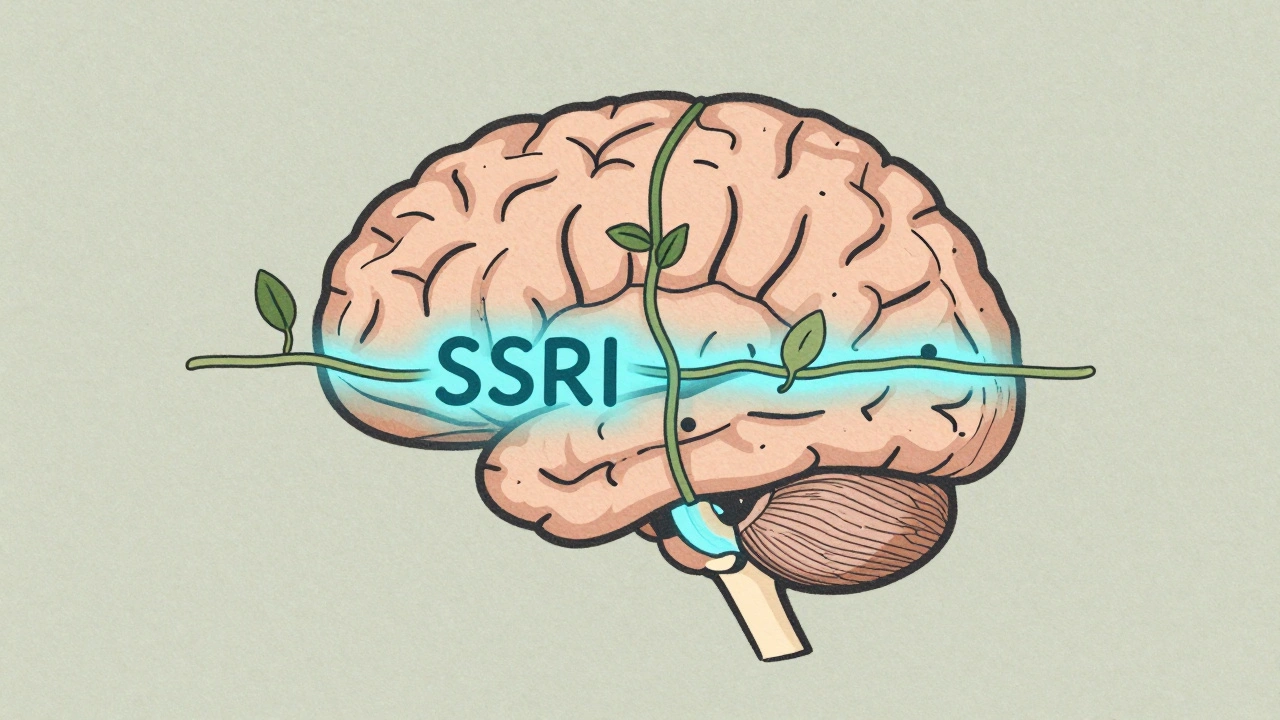
Buspirone for Depression: What It Is, How It Works, and What to Expect
When people think of buspirone, a non-benzodiazepine anxiolytic approved by the FDA for generalized anxiety disorder. Also known as Buspar, it is not classified as a traditional antidepressant but is often used off-label for depression, especially when anxiety is a major part of the condition.
Unlike SSRIs or SNRIs, buspirone doesn’t boost serotonin levels directly. Instead, it targets serotonin 5-HT1A receptors, calming overactive brain signals linked to worry and tension. This makes it useful for people who feel anxious, restless, or mentally stuck—but don’t respond well to typical antidepressants. It’s also less likely to cause weight gain, sexual side effects, or emotional numbness, which is why many patients ask their doctors about it after trying other meds. It’s not a quick fix: it can take 2 to 4 weeks to feel any change, and some people never notice a difference. But for others, especially those with mixed anxiety-depression, it’s a quiet game-changer.
Buspirone works best when paired with therapy or lifestyle changes. It’s not addictive, doesn’t cause withdrawal like benzodiazepines, and doesn’t interact badly with alcohol—making it safer for long-term use. But it’s not magic. If your depression is severe, with low energy, sleep problems, or hopelessness, buspirone alone likely won’t cut it. That’s why doctors often combine it with other treatments. You’ll also find that it’s frequently used alongside SSRIs to help with residual anxiety, even after the main depressive symptoms improve.
People who’ve tried multiple antidepressants and still feel on edge might be good candidates. So might those who hate the side effects of other drugs—or who’ve had bad reactions in the past. Buspirone’s mild profile makes it a smart fallback. But it’s not for everyone. If you’re dealing with major depressive disorder without anxiety, it probably won’t help much. And if you’re expecting fast relief, you’ll be disappointed.
Below, you’ll find real-world insights from people who’ve used buspirone for depression, along with comparisons to other medications, tips for managing expectations, and what to ask your doctor before starting. You’ll also see how it fits into broader treatment plans, what common mistakes people make, and why some patients swear by it while others quit after a week. This isn’t theory—it’s what actually happens in clinics and homes, day after day.
Buspirone augmentation with SSRIs offers a safe, effective way to treat treatment-resistant depression without the weight gain or sexual side effects of other options. Learn how it works, who benefits most, and what to expect.