Chronic Condition Coping: Practical Strategies for Daily Life
When you're managing a chronic condition, a long-term health issue that requires ongoing care and adaptation. Also known as long-term illness, it’s not just about taking pills—it’s about rebuilding your rhythm around symptoms, side effects, and life’s unexpected twists. Many people think coping means enduring pain or fatigue quietly, but real coping is active, smart, and personal. It’s knowing when to push through and when to rest. It’s recognizing that your body’s needs change from day to day, and that’s okay.
Effective medication management, the consistent and informed use of prescribed drugs to control symptoms and prevent complications is the foundation. That means tracking expiration dates, understanding black box warnings, and knowing why your doctor picked one drug over another—like why allopurinol works for gout but not for arthritis. It also means spotting when a drug like desloratadine might be fogging your focus, or when a medication like timolol needs regular eye checks to avoid hidden risks. You’re not just following orders—you’re becoming your own best advocate.
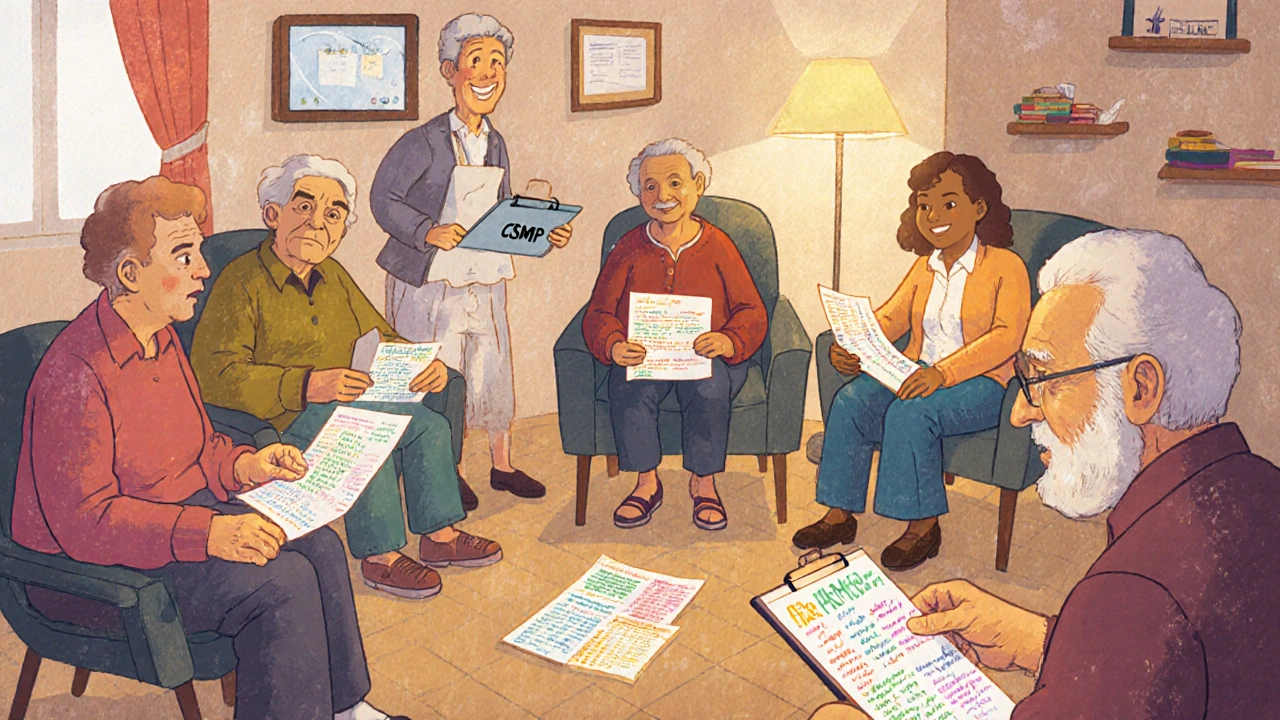
Support groups, peer-led communities where people with similar health challenges share experiences and practical tips aren’t just feel-good spaces—they’re proven tools. For someone with diabetic neuropathy, talking to others who’ve learned to sleep through nerve pain or adjust their job duties can cut isolation and even improve blood sugar control. These groups help you see what’s possible, not just what’s prescribed. And when joint damage limits your career or COPD steals your breath during simple tasks, lifestyle adjustments, changes in daily habits, work routines, or physical activity to reduce strain and improve function become survival skills. Exercise isn’t optional for COPD—it’s oxygen therapy. Ergonomics isn’t a buzzword for arthritis—it’s how you keep working. Self-care isn’t selfish for opioid recovery—it’s the glue holding you together.
There’s no single playbook for living well with a chronic condition. But there are patterns: people who track their meds, who ask questions about side effects, who join groups, and who tweak their routines based on real feedback do better. They don’t wait for perfect days. They build systems for messy ones. Below, you’ll find clear, no-fluff guides on how to read your prescription labels, choose safer drugs for older adults, manage nausea without drowsiness, and even save money on generics—all built by people who’ve been there. These aren’t theories. They’re tools you can use tomorrow.
Learn practical, proven tools to improve daily function when living with a chronic disease. Discover evidence-based programs like CDSMP, digital platforms, and simple strategies to boost confidence, reduce symptoms, and take back control of your life.